


Europe is facing one of its most severe heatwaves in recent history, with France reporting around 1,000 additional deaths as extreme temperatures continue to break records across the continent. Health officials and weather experts have warned that the prolonged heat poses a serious threat to public health, especially for older people and vulnerable communities.
France’s public health agency said the country recorded about 1,000 excess deaths during the three hottest days of last week’s heatwave. Officials stressed that the number is still an estimate and could rise as more information becomes available, including deaths reported from private homes.
The increase in deaths was most noticeable between Wednesday and Friday, when temperatures reached their highest levels. More than 1,200 people died on Wednesday, while daily deaths exceeded 1,400 on both Thursday and Friday.
Before the heatwave began, France normally recorded between 900 and 1,000 deaths each day during April and May. The sharp rise has highlighted the deadly impact of prolonged extreme heat.
Health officials said about 85 percent of those who died were people aged 65 or older. The highest number of deaths occurred in regions placed under the country’s highest heat warning, where temperatures remained dangerously high for several days.
Hospitals and emergency services across France were placed under heavy pressure as they treated growing numbers of patients suffering from dehydration, heat exhaustion, and heatstroke. Authorities activated emergency response plans that allowed hospitals to increase bed capacity, recall medical staff from leave, and delay non-urgent medical procedures.
The heatwave also affected many other European countries. Germany recorded a new national temperature record for the third consecutive day, reaching 41.7 degrees Celsius near the Polish border. The Czech Republic also experienced its hottest day on record with temperatures climbing to 41.1 degrees Celsius.
The World Health Organization warned that Europe is now the fastest-warming continent on Earth, heating at roughly twice the global average. WHO Director-General Tedros Adhanom Ghebreyesus said more than 150 million people across Europe are currently living under extreme heat conditions.
He also said more than 1,300 excess deaths linked to high temperatures have been reported across Europe since June 21. According to the WHO, heat stress has become a growing public health threat because many homes, schools, and workplaces across Europe were not designed to cope with such high temperatures.
Tedros urged governments to strengthen heat action plans by improving emergency preparedness, expanding prevention programs, and ensuring healthcare systems can respond quickly during extreme weather events.
Scientists also released a rapid climate study concluding that the record-breaking temperatures would have been nearly impossible without climate change. Researchers found that similar heat conditions were extremely unlikely 50 years ago and are now around 200 times more likely than they were just two decades ago.
Across Europe, the intense heat has also triggered severe thunderstorms, wildfires, and major transport disruptions.
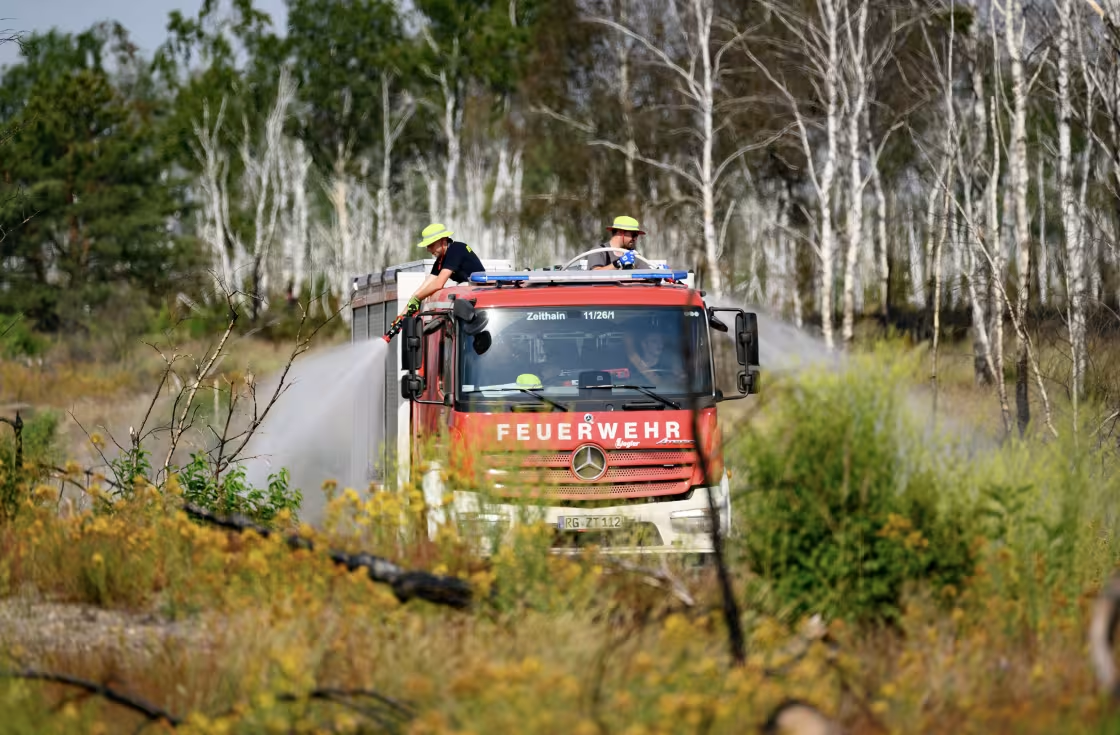
In eastern Germany, firefighters battled a large forest fire in Gohrischheide, where large areas remain contaminated with unexploded World War II ammunition. Explosions caused by the hidden explosives made firefighting operations more dangerous and complicated.
Another major wildfire broke out near the village of Traisen in southwest Germany. Emergency crews temporarily suspended operations after unexploded ordnance detonated during the fire. Around 650 residents were forced to leave their homes as flames continued to spread.
In Sweden, several visitors at an amusement park were struck by lightning after severe storms followed the heatwave. Three adults were taken to hospital, including one woman who suffered serious injuries.
Denmark also experienced record temperatures before thunderstorms swept across the country. More than 1,100 lightning strikes were recorded within a short period.
Germany’s infrastructure also struggled under the extreme conditions. Roads suffered heat damage, railway tracks expanded, and train services were disrupted. In one incident, more than 600 passengers were evacuated from an overheated train after a fallen tree damaged overhead power lines, cutting electricity and leaving air conditioning systems unable to operate.
Authorities across Europe continue urging residents to stay hydrated, avoid outdoor activity during the hottest hours, and regularly check on elderly relatives and neighbors. As climate experts warn that extreme heat events are becoming more frequent, governments are expected to strengthen public health measures to reduce the growing risks posed by future heatwaves.
