


France faces a potential economic toll of ten billion to fifteen billion euros due to recent relentless heatwaves.Environment Minister Monique Barbut shared these figures during a official press update on Wednesday.She pointed to data prepared by INSEE, the national statistical agency of France.The minister cautioned that total financial losses could grow higher because hot summer conditions continue across many regions.
The economic damage covers both direct losses and indirect business slowdowns.Extended high temperatures have triggered severe water shortages, parched farmland, and dangerous wildfire outbreaks.France previously suffered major weather damages during the drought of 2022, which cost around five billion euros.However, official reports confirm that current summer conditions are far more intense and widespread.
Agriculture has taken a heavy blow across the entire country.Farmers report failing crop yields and reduced milk production as livestock struggle with extreme heat.Searing temperatures have also dried out soil levels, making irrigation difficult for local growers. Furthermore, persistent dry spells have forced municipalities to implement strict water usage rules. Over forty thousand households currently face water supply disruptions or total cuts.
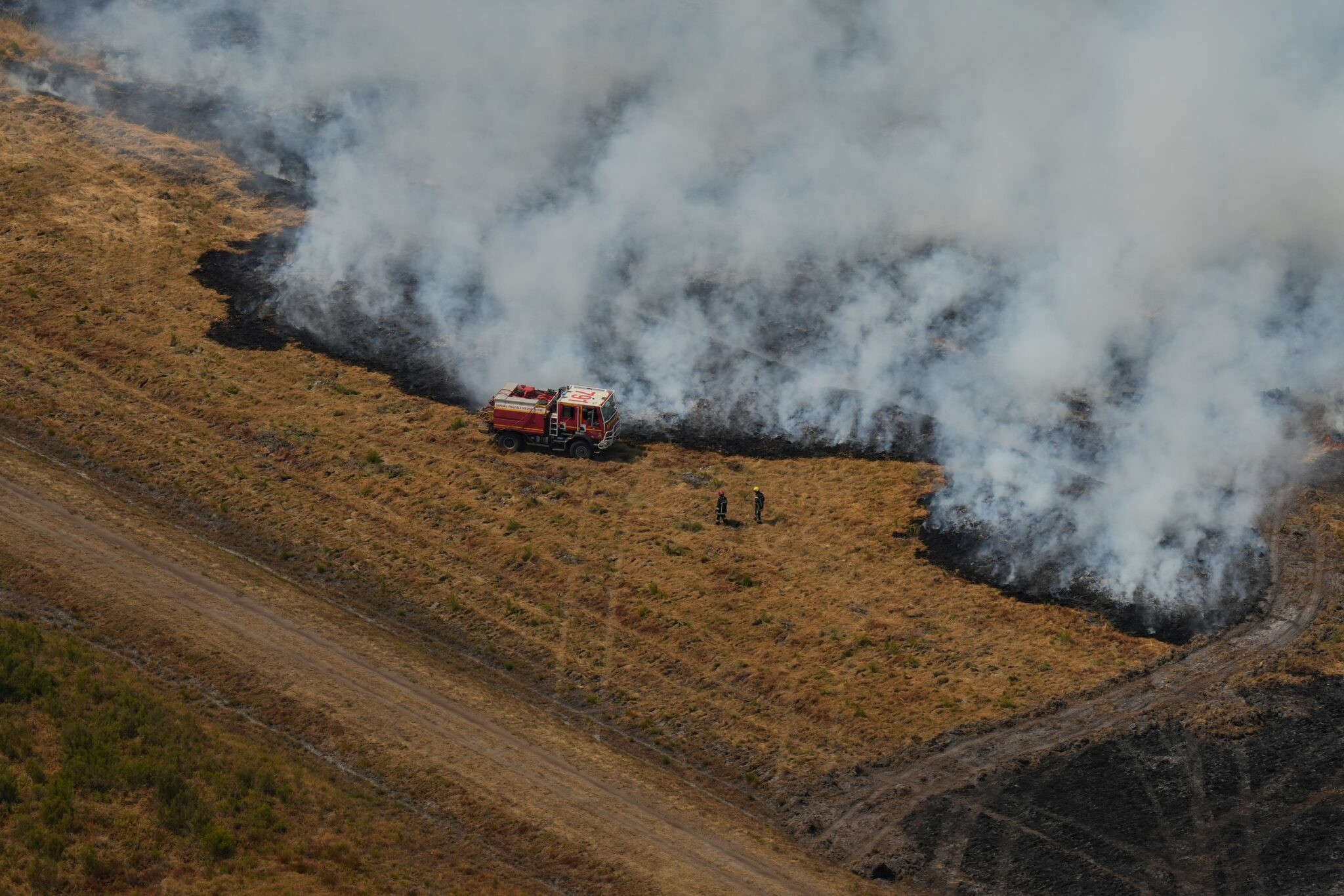
Wildfires have further compounded total financial damage this season.Dry vegetation allows forest fires to spread quickly, demanding costly emergency responses. Smoke and active blazes have forced thousands of residents and tourists to evacuate coastal regions. These fires cause lasting harm to timber supplies, tourism revenue, and regional infrastructure.
Beyond farming and forestry, extreme heat lowers overall economic output.High outdoor temperatures reduce worker productivity, particularly in construction and transportation sectors.Water levels in key rivers have dropped significantly, creating major hurdles for inland shipping routes. Nuclear power plants have also lowered energy production because river water used for cooling systems has grown too warm.
European climate experts warn that extreme summer heatwaves are no longer brief weather disruptions.Instead, prolonged dry periods create long-lasting financial strain on public finances and private businesses. France is currently working on long-term climate adaptation plans, including better water management systems and forest protection strategies.
Government officials expect final cost tallies to become clearer once cooler weather returns in autumn. For now, local authorities remain focused on managing emergency relief, supporting affected farmers, and securing drinking water supplies.
