


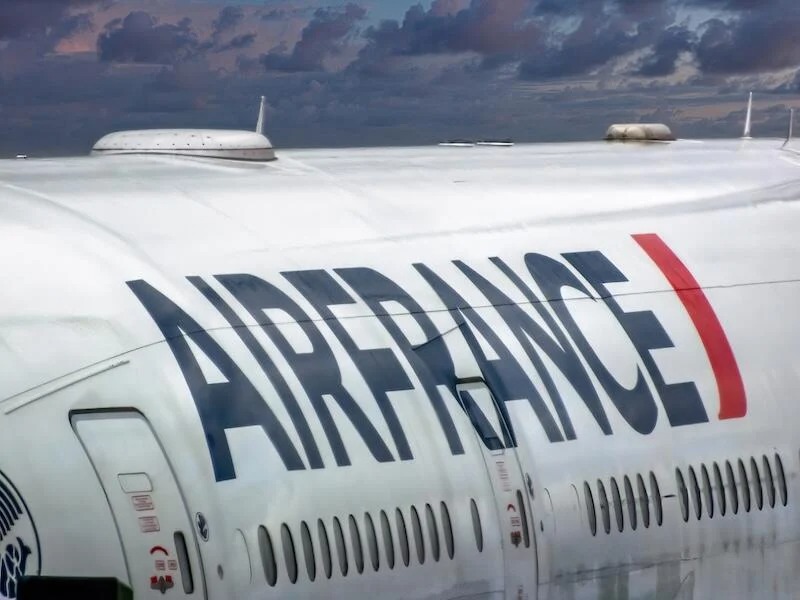
A final safety report by French aviation authority BEA shows that a flight crew reacted too slowly to severe weather signals. The delayed response led to intense atmospheric disturbances onboard an Air France Airbus A320. Five people suffered serious injuries when the aircraft hit severe convective cells during the flight.
Investigators focused on the choices made by the pilots leading up to the incident. According to official findings, flight instruments provided early warning signs of storm activity along the flight path. However, the flight crew failed to change course or issue prompt warning orders to the cabin staff.
Three cabin crew members and two passengers sustained serious physical injuries when the plane encountered heavy turbulence. Unsecured individuals were thrown around the cabin during sudden altitude drops. Medical teams met the aircraft upon landing to treat those hurt during the flight.
The safety agency highlighted key operational gaps in crew coordination and risk management. Cockpit crews must act quickly when radar systems indicate active storm clouds nearby. Waiting too long to turn on seatbelt signs increases the danger for everyone onboard.
This investigation underlines the importance of clear communication between pilots and cabin attendants during bad weather. Safety procedures require immediate action whenever weather radar displays severe storm cells ahead. Pilots must secure the passenger cabin before entering dangerous air pockets.
Air France has reviewed its flight crew training routines following the official report release. The airline plans to improve weather monitoring practices in the cockpit. Enhanced guidelines will help pilots make faster decisions when encountering sudden atmospheric turbulence.
Modern commercial aircraft carry advanced weather radar designed to spot severe storm systems early. Pilots use these digital tools to navigate around rough air masses safely. Flight crews are trained to avoid convective cells by changing altitude or altering flight paths.
When planes fly through severe weather without proper preparation, physical injuries often follow. Cabin attendants are especially vulnerable because their daily work requires standing in narrow aisles. Fast movement of the aircraft can easily throw standing crew members against hard cabin structures.
Airline safety rules urge pilots to err on the side of caution near convective activity. Fast warnings give cabin attendants enough time to store service carts and fasten their own seat belts. Timely seatbelt announcements also ensure passengers remain safely buckled in their seats.
The aviation industry continues to study turbulence events to lower passenger injury rates worldwide. Investigators analyze flight data recorders to build better training models for future commercial pilots. Every safety report helps airlines refine emergency protocols and prevent similar inflight incidents.
Flight safety agencies encourage all air carriers to maintain strict weather avoidance standards. Consistent safety training helps crews handle unexpected weather events with minimal risk to passengers. Airlines must ensure that flight crews act promptly when weather instruments show active convective cells ahead.
