


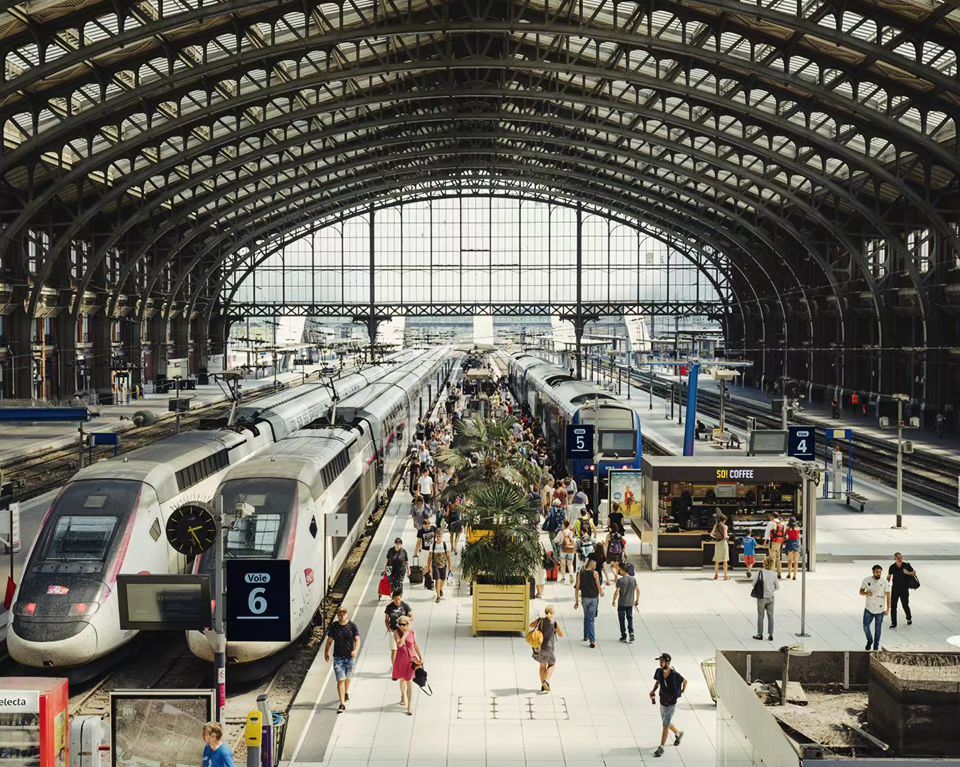
France’s return to school and work this week has collided with a wave of strikes across transport, education, and other public services, leaving commuters and families dealing with delays and disruption during what is normally a busy but routine start to September. The timing has drawn attention because so many separate labor disputes are unfolding at once, each tied to different demands but landing during the same tightly packed stretch of days.
In the city of Reims, a transit strike hit hard on the very first day of the new school year. Trams and buses ran on sharply reduced schedules as drivers walked out over pay and working conditions, forcing thousands of students and commuters to rethink their morning routines. Wait times stretched well beyond normal levels on several routes, with some bus lines seeing service cut to a fraction of their usual frequency during the busiest hours of the day.
The disruption in Reims came alongside separate transport strikes in other parts of the country. In Clermont Ferrand, tram and bus services faced similar walkouts tied to local labor disputes. Meanwhile, cabin crew at a major low cost airline extended rolling strike action affecting flights from several French airports, including both major Paris hubs. Crew members have cited concerns over scheduling, last minute changes, and overall working conditions as the driving force behind the action.
Public sector unions have also signaled a bigger disruption ahead later this month. A nationwide strike involving millions of public sector workers has been called for later in September, with organizers pointing to concerns over pay, staffing levels, and government budget plans. Details about the scale of disruption expected from that larger action are still being worked out, though unions representing teachers, healthcare workers, and other public employees have confirmed their participation.
The wave of strikes comes as France works through several major policy shifts taking effect this month. A long debated suspension of part of the country’s 2023 pension reform began applying to new retirees this week, changing how retirement rules apply for people whose pensions take effect from this point forward. Officials say the policy shift reflects ongoing negotiations over how to balance the pension system’s long term finances with public demand for more flexible retirement options.
Workers at national energy companies have also kept up a longer running dispute that has stretched for months, tied to changes in bonus and compensation programs for employees. While that dispute has not caused scheduled power outages, it has slowed response times for service calls and routine maintenance work in some areas, according to companies involved.
For families managing the return to school, the disruption adds an extra layer of stress to an already busy time of year. Parents in affected areas have been advised to check local transit updates closely and plan extra time for travel, particularly during the first two weeks of September when several overlapping strikes are expected to continue. School officials in some regions have said minimum staffing plans remain in place to ensure younger children are still supervised even when teachers join strike action.
As the month continues, attention will turn to whether unions and the government can reach agreements before the larger planned strike later in September. For now, commuters and families across several regions are adjusting to a rocky start to the new school year, with disruption expected to persist as multiple disputes continue playing out at the same time.
