


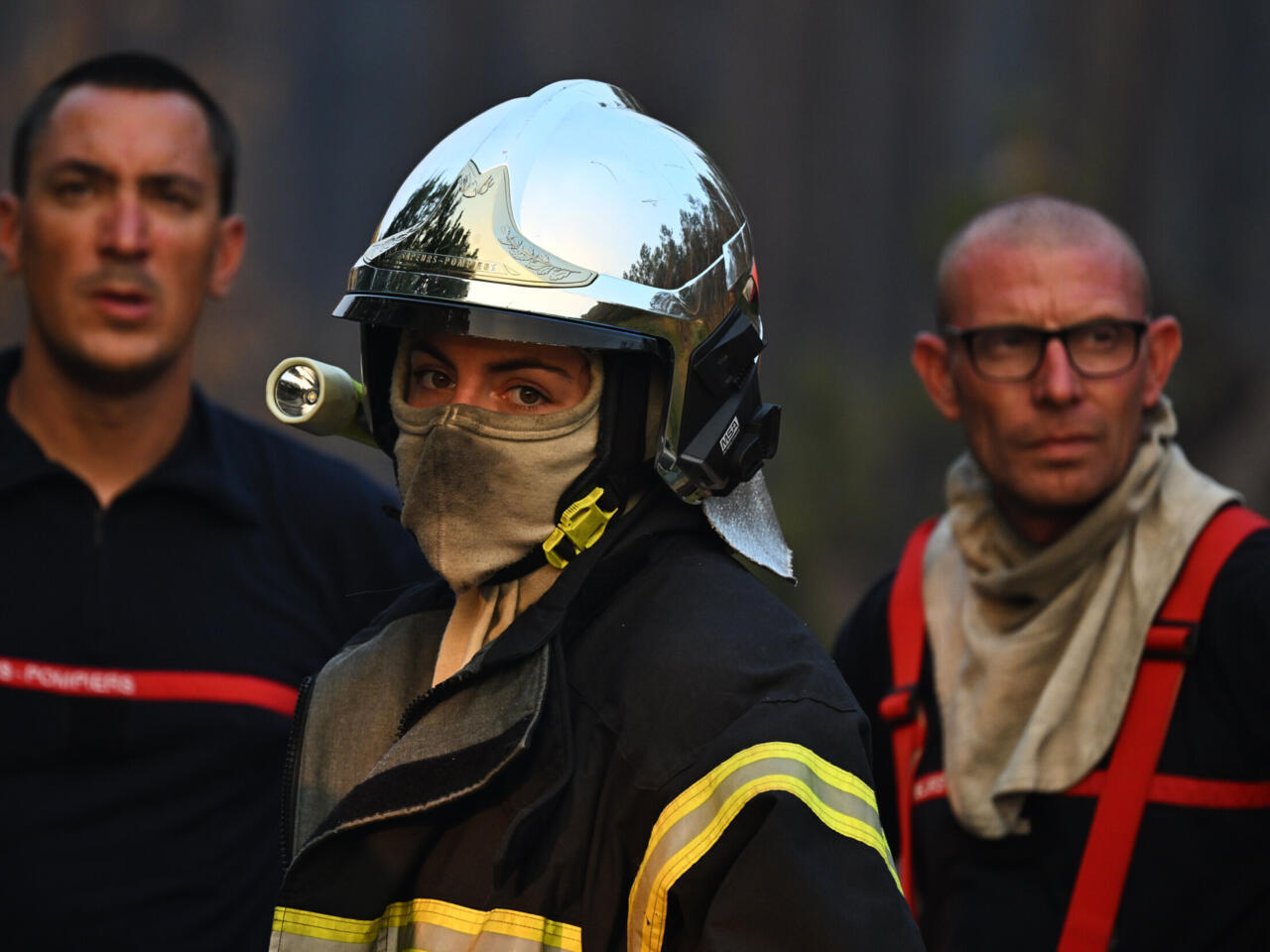
France’s professional firefighters have filed a national strike notice. The notice covers a long stretch of time. It runs from September 8 to October 20, 2026. Union leaders say they will keep up the pressure on the government. Their anger built up over a hard summer. Huge wildfires burned across parts of the country. Crews worked long hours in extreme heat. Many firefighters felt worn out and underpaid for the risk they took.
The strike notice does not mean firefighters will stop work right away. In France, a strike notice is a formal first step. It opens a window for talks between unions and the government. If no deal is reached, real walkouts or slowdowns can follow. Union groups say they want better pay, more staff, and safer gear. They also want more support for mental health after tough seasons like this one.
This dispute lands at a tricky time for the government. Prime Minister Sébastien Lecornu already faces a rocky path in parliament. His team is trying to finish a budget for the coming year. Money is tight, and the state faces heavy public debt. Any new spending on emergency services would need to come from somewhere else. That makes the firefighter dispute harder to solve fast.
Local officials worry about what a long dispute could mean. Fire risk does not stop just because summer ends. Dry autumn winds can still fan flames in the south. Emergency planners say they need firefighters ready at full strength. A drawn out labor fight could slow response times if it turns into action on the ground. For now, both sides say they want to avoid that outcome.
Many French towns backed their local fire crews this summer. Mayors praised their long shifts during the worst blazes in years, and some have already written to national leaders asking for quick talks with the unions. They warn that morale is low and that gear is old.
Health and safety groups are watching the talks closely. They say heat waves are getting worse each year in France. That means firefighters will likely face more big fires ahead. Groups want the government to plan now, not later. They point to other countries that added more staff after bad fire seasons. They say France should learn from them.
The government has not yet given a full public response to the strike notice. Officials have said budget talks come first. But pressure is building from many sides at once. Opposition parties in parliament have raised the firefighter issue too. Some lawmakers say the crews deserve quick answers, not more delay.
For everyday people in France, the timing matters. Autumn brings storms in some regions and dry spells in others. Emergency services need to be ready either way. If firefighters do walk out later this year, response times could slow in some areas. Local governments say they have backup plans, but they hope those plans stay on the shelf.
Talks between the unions and the government are expected in the coming weeks. Both sides say they prefer a deal over a strike. Firefighters say they simply want fair treatment after a brutal summer. The government says it hears their concerns but must balance the wider budget. How this plays out could shape morale in emergency services for years to come. It may also test how much room Lecornu’s government has left to spend, at a moment when almost every euro is already accounted for.
Rural areas feel especially exposed to any gap in coverage. Small towns often rely on part time or volunteer crews backed up by full time regional teams. If full time staff join any future walkout, those smaller towns could feel the strain first.
Past disputes offer some clues about how this one might unfold. French unions have used strike notices before without always following through with full walkouts. Sometimes the mere threat pushes officials to open serious talks quickly. Union leaders this time say they hope for a similar outcome, but they also stress that patience among firefighters is thinner than usual.
Insurance groups are also watching the dispute with quiet concern, since wildfire damage claims already climbed sharply this year. Some analysts say this financial angle could quietly push both sides toward a faster resolution than public statements might currently suggest.
