


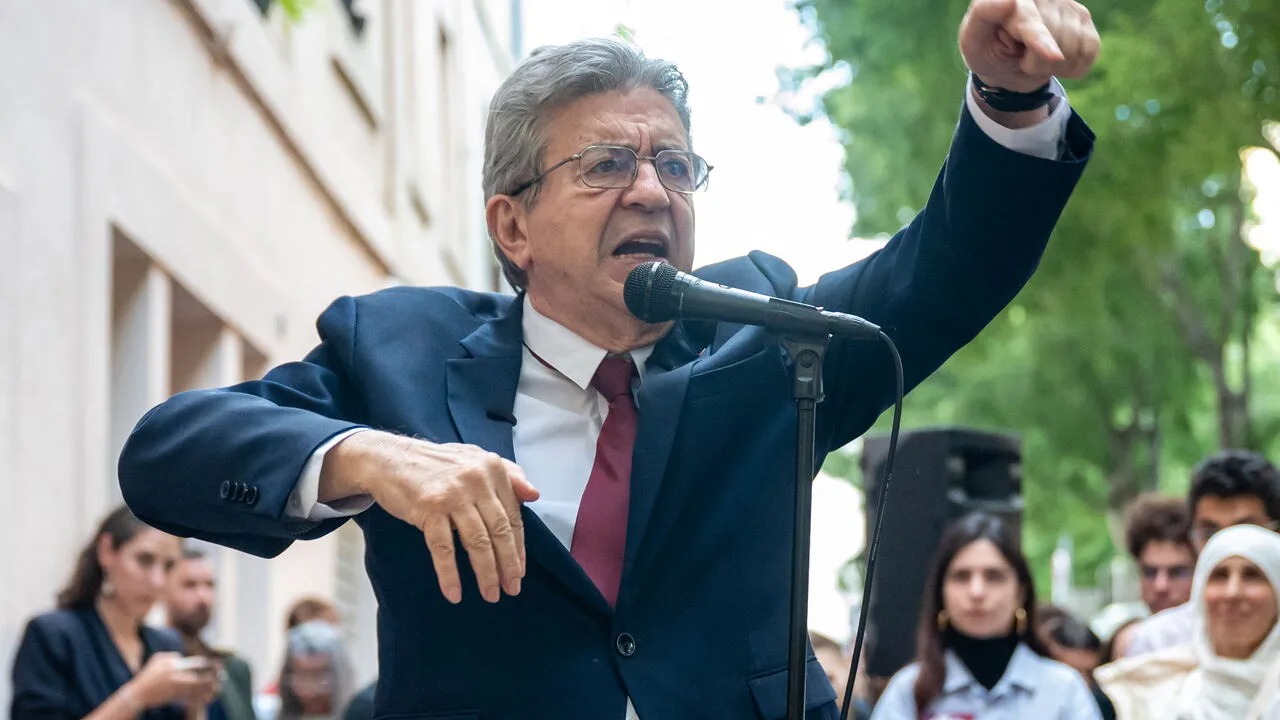
The Gen Z Melenchon 2027 campaign has picked up real momentum across France in recent weeks. Young voters are showing growing interest in Jean-Luc Melenchon’s fourth run for the presidency. Analysts say this youth support could reshape how the race unfolds next April.
Melenchon confirmed his candidacy earlier this year, framing it as his most serious bid yet. He has run for president three times before, coming close to a runoff spot in the last election. This time, the seventy four year old leader says his party has a clear team, manifesto, and single candidate ready to go.
Young supporters describe several reasons for their enthusiasm. Many point to Melenchon’s strong stance on Gaza, where he has used blunt language to criticize the ongoing conflict. Others cite his focus on climate policy and his calls for higher taxes on wealthy households. These themes appear to resonate strongly with students and younger workers facing economic uncertainty.
Social media has played a major role in building this youth movement. Short videos featuring Melenchon’s sharper campaign moments circulate widely among younger audiences online. Party organizers say digital outreach has become central to their strategy, given how differently younger voters consume political content compared to older generations.
The broader political landscape makes this youth energy especially significant. President Macron cannot run again due to term limits, leaving the race wide open. Marine Le Pen faces a possible ban from politics tied to a legal conviction, though she is appealing that decision. With traditional frontrunners sidelined, younger voters may carry unusual weight in shaping the eventual outcome.
Critics of Melenchon warn that his combative style and past controversial statements could limit his appeal beyond his existing base. Some analysts note persistent skepticism among broader voters about his readiness to govern as president. Polling has shown mixed results, with strong core support alongside real hesitation from other segments of the electorate.
Rival campaigns are already adjusting their own strategies in response to this youth mobilization. Centrist and center right candidates have started addressing issues like climate anxiety and economic precarity more directly in recent speeches. Analysts say this shift reflects growing recognition that younger voters cannot be ignored in a wide open race.
Turnout patterns among younger voters remain a key uncertainty heading into next year. French youth have historically shown lower voting participation compared to older age groups. Whether current online enthusiasm translates into actual votes at the ballot box will likely determine how much this movement actually shapes the final result.
Melenchon’s team says they are focused on building sustained engagement rather than short term online buzz. Campaign organizers have planned grassroots events specifically targeting universities and youth organizations across the country. They argue that direct, in person engagement remains essential alongside any digital momentum the campaign has already built.
With the election still months away, much can still change in the race. Other candidates continue positioning themselves, and unexpected events could shift public attention entirely. For now, though, Melenchon’s campaign appears to have found a genuine source of youthful energy, one that could prove decisive if it holds steady through next spring’s vote.
Student groups at several major French universities have organized their own informal discussion circles centered on the candidate’s platform. Attendees describe these gatherings as less about formal campaigning and more about processing shared frustrations regarding housing costs, job prospects, and climate anxiety. Organizers say Melenchon’s message happens to align closely with concerns already circulating widely among their peers.
Comparisons to past youth movements in French politics have surfaced repeatedly in recent commentary. Some analysts draw parallels to earlier moments when younger voters briefly reshaped political momentum before eventually splitting their support across multiple candidates. Whether this current wave follows a similar pattern or proves more durable remains an open question heading into the coming months.
International observers have also taken note of this domestic development, given France’s outsized influence within European politics. A strong showing from a candidate backed heavily by younger voters could send signals about generational shifts happening elsewhere across the continent. For now, though, most analysts caution against reading too much into early enthusiasm, given how much time remains before voters actually cast their ballots next April.
