


Climate nonprofit leaders are highlighting that clean energy jobs and economic benefits are helping increase U.S. support for renewable solutions. Projects such as wind and solar energy are expanding, even in states that traditionally rely on fossil fuels. Advocates say the economic advantages are making renewable energy an attractive option for a wide range of communities.
Wind and solar projects create local jobs in construction, operations, and maintenance. These employment opportunities are bringing new income and skills to rural and urban areas alike. Nonprofit leaders point out that clean energy jobs often provide stable wages, career growth, and long-term benefits for workers and their families.
In addition to job creation, renewable energy projects generate significant economic activity. Local suppliers, service providers, and businesses benefit from contracts and new demand, contributing to regional economic development. Communities hosting renewable energy facilities often see increased tax revenues and investment in infrastructure, which further strengthens local economies.
Support for renewable energy is growing in traditionally less green states, where residents once relied heavily on coal, oil, or natural gas. Climate nonprofits say that when people see direct economic benefits, they are more likely to support clean energy initiatives. Wind farms, solar fields, and other renewable projects can transform local economies while reducing environmental impact.
Nonprofit leaders emphasize that renewable energy expansion aligns with broader climate goals. Increasing clean energy capacity helps reduce greenhouse gas emissions and improves air quality. At the same time, renewable solutions are helping the U.S. transition to a more resilient and sustainable energy system. Communities benefit both economically and environmentally from these investments.
Education and outreach programs also play a key role. Nonprofits are engaging local residents, schools, and policymakers to raise awareness about the advantages of clean energy. Public presentations, workshops, and interactive campaigns help people understand how renewable energy contributes to job growth, economic development, and environmental protection.
The economic benefits of renewable energy are especially noticeable in rural areas. Many wind projects are located in open landscapes where agricultural communities can lease land for turbines, providing farmers with steady supplemental income. These projects also create construction jobs and attract service providers, boosting local economies.
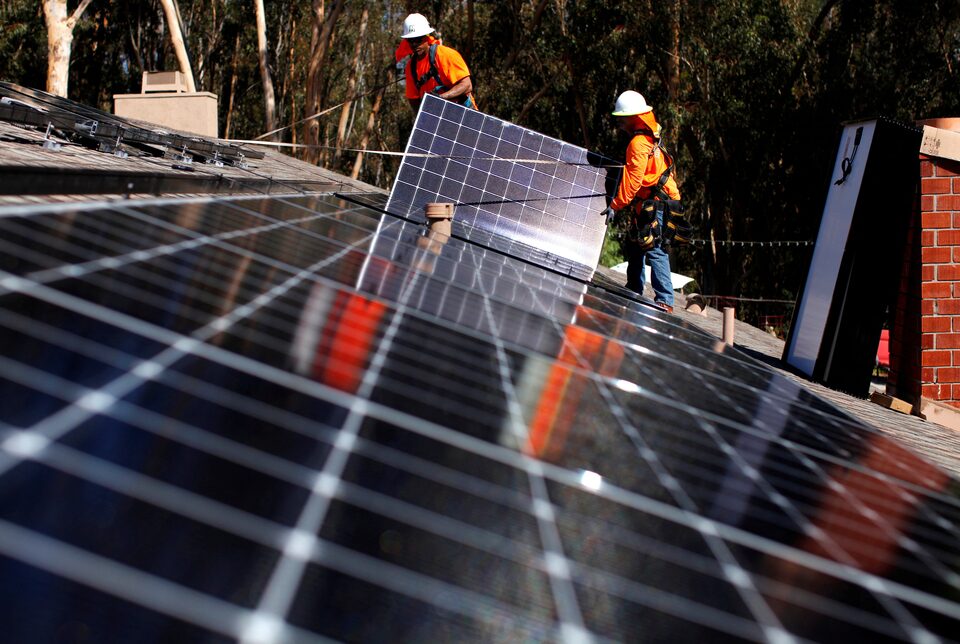
Even in urban areas, renewable energy projects contribute to job creation and local development. Solar installations on commercial and residential buildings provide work for electricians, engineers, and project managers. Energy efficiency upgrades and clean technology projects generate additional employment while helping cities reduce carbon footprints and utility costs.
Experts note that the intersection of economic growth and environmental responsibility is key to expanding support for renewable energy. When citizens see tangible benefits, such as jobs, income, and community investment, they are more willing to back clean energy policies. Nonprofits argue that framing renewable energy as both an economic and environmental solution is essential for long-term adoption.
Investment in renewable energy infrastructure is also driving innovation and technological progress. Companies are developing new turbine designs, solar panel technology, and energy storage solutions that increase efficiency and reduce costs. This innovation further strengthens local economies and encourages wider adoption of clean energy solutions.
Climate nonprofit leaders conclude that clean energy jobs are not just about environmental progress—they are about economic opportunity. By connecting employment, community investment, and sustainability, renewable energy projects are building support across diverse regions of the U.S. Even in areas historically reliant on fossil fuels, clean energy is becoming an important source of economic growth and environmental protection.
The growth of U.S. clean energy highlights the potential for a greener economy that benefits workers, communities, and the environment. Wind, solar, and other renewable projects are providing concrete examples of how sustainability and economic development can go hand in hand, helping the country move toward a more sustainable future while strengthening local economies nationwide.
