


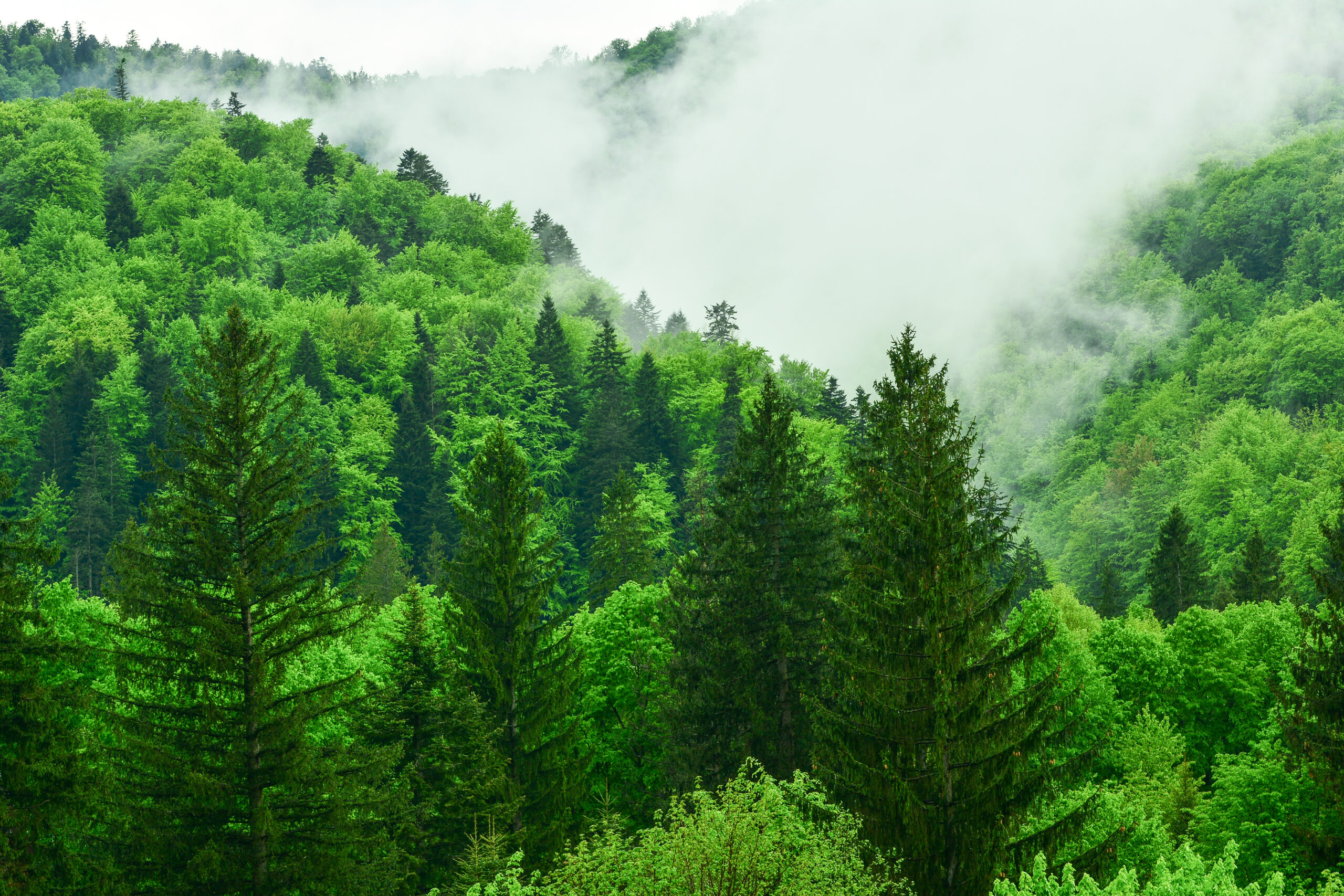
In the mountains of the southern Peloponnese, normally resilient Greek firs are turning brown and dying in vast patches. Forest researcher Dimitrios Avtzis was sent to assess fire damage this year but instead found hundreds of hectares of dead trees where flames had never reached. The scale of loss was so unusual that he immediately alerted the environment ministry.
Experts say prolonged drought is the main trigger. Greece has seen steadily hotter, drier conditions and a sharp decline in winter snowfall, reducing the slow-release moisture fir forests depend on. Weakened by lack of water, trees are then attacked by bark beetles, which bore under the bark and disrupt the flow of nutrients. Once beetle populations reach outbreak levels, forests can collapse rapidly.
The problem is not unique to Greece. Similar die-offs linked to drought and insects are being reported across southern Europe, suggesting a broader ecological shift driven by climate breakdown.
Scientists stress that Mediterranean forests can regenerate, but recovery is slow and uncertain under current conditions. They warn that without urgent government action, funding and long-term forest management, these die-offs will become more frequent.
“There is no time to be pessimistic,” Avtzis says. “We have the knowledge and the tools. What matters now is whether we act.”
