


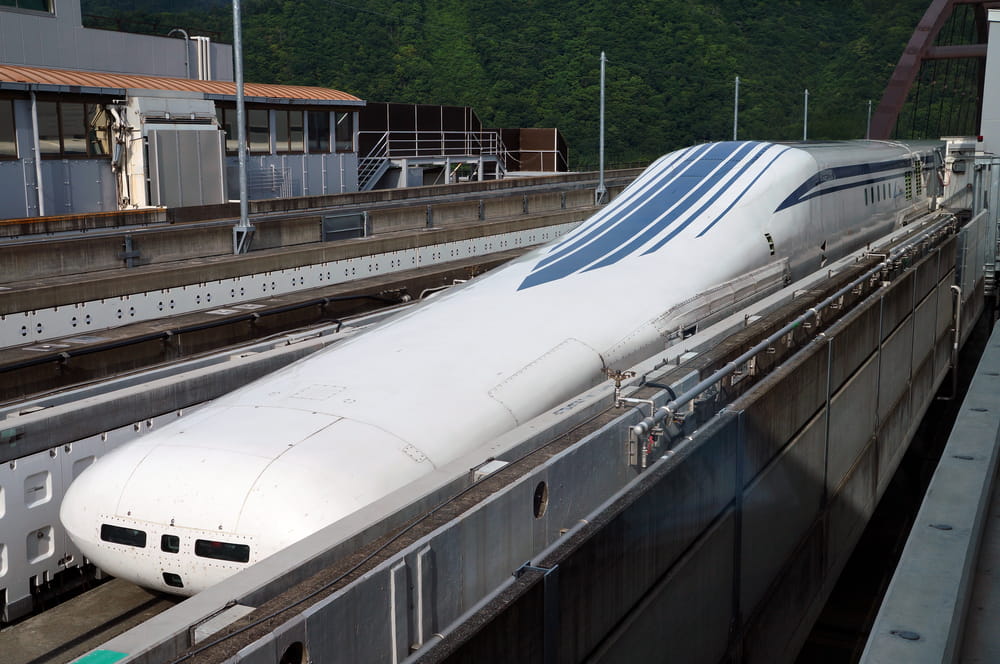
Japan is developing the L0 Series, a magnetic-levitation (maglev) train built by Central Japan Railway Company, which has reached test speeds of 603.5 km/h, making it the fastest train ever developed. It is designed for the new Chuo Shinkansen line, cutting travel time between Tokyo and Nagoya to about 40 minutes, and eventually Tokyo to Osaka to around one hour.
The technology relies on maglev, lifting trains above the track using magnets to eliminate friction. However, the project has already cost about £52bn (€60bn) and has been delayed until the mid-2030s.
Despite its speed, experts say the L0 Series is unlikely to come to Europe. The train requires entirely new infrastructure, mostly tunnels, consumes far more power than conventional high-speed rail, and carries fewer passengers. European rail networks also prioritise comfort, capacity and integration with existing lines over extreme speed, limiting the appeal of such a system outside a few business-focused routes.
