


Renewed Nuclear Vision for Europe
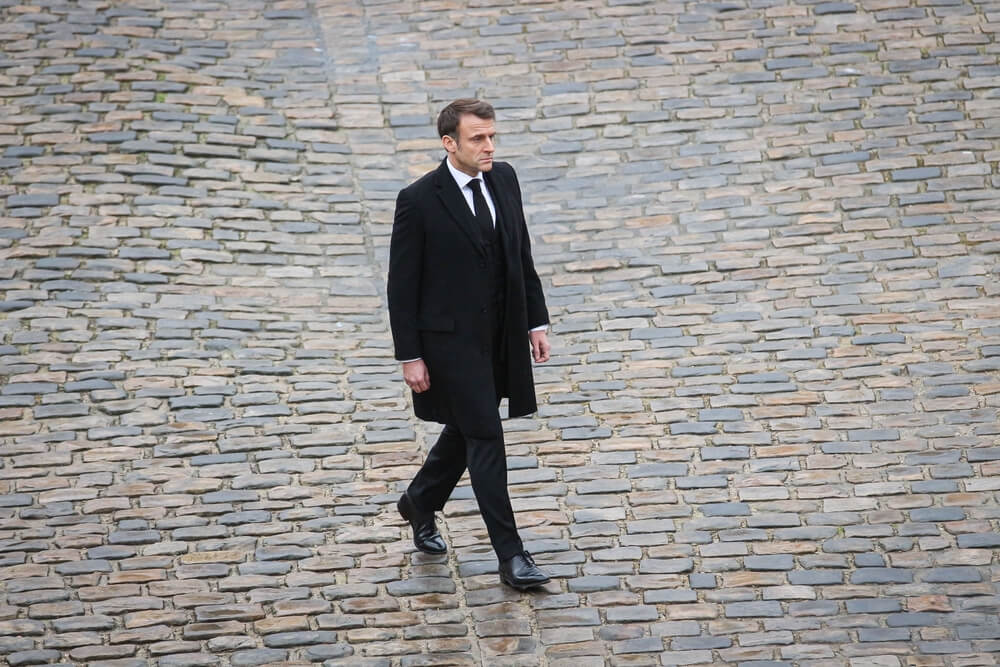
President Emmanuel Macron is set to unveil plans to expand France’s nuclear deterrent to support European partners, emphasizing that this initiative would complement, not compete with, the US security umbrella. Speaking from the Île Longue peninsula — home to France’s four nuclear-powered ballistic missile submarines — Macron will deliver his first major address on the subject since 2020, when he first suggested involving willing European countries in exercises linked to French nuclear forces.
A source close to the president described the upcoming speech as “an important moment” in Macron’s term, signaling potential shifts in Europe’s defense posture. Macron confirmed earlier this month at the Munich Security Conference that he has been in “strategic dialogue” with German Chancellor Friedrich Merz and other EU leaders about aligning national nuclear doctrines.
Rising Interest Amid Geopolitical Shifts
The move comes amid growing concern in Europe about defense vulnerabilities. Russia’s full-scale invasion of Ukraine and Donald Trump’s return to power have prompted debates over the reliability of US protection, particularly after Trump’s threats involving Denmark and Greenland.
Washington has also signaled plans to partially withdraw troops and equipment from Europe to focus on the Indo-Pacific, leaving some uncertainty over the US commitment to European security. Meanwhile, global developments — including Russia’s hypersonic missile advancements, China’s rapid nuclear buildup, and ongoing questions about Iran — have heightened interest in stronger European nuclear coordination. French officials emphasize that this initiative is intended to complement NATO, not challenge it.
France’s Nuclear Doctrine and Cooperation with the UK
France maintains a “strict sufficiency” approach, keeping roughly 300 warheads — far fewer than the estimated 3,500 held by both the US and Russia — sufficient to inflict unacceptable damage on any adversary. French sources stress that Paris is not seeking an arms race, but rather ensuring credible deterrence while rejecting nuclear war as a policy tool.
France and the UK, Europe’s only other nuclear power, have strengthened their collaboration under the Northwood Declaration signed last summer. The two nations now operate a Nuclear Steering Group to coordinate exercises and provide political guidance, signaling a more integrated approach to European nuclear defense in a rapidly changing security environment.
