


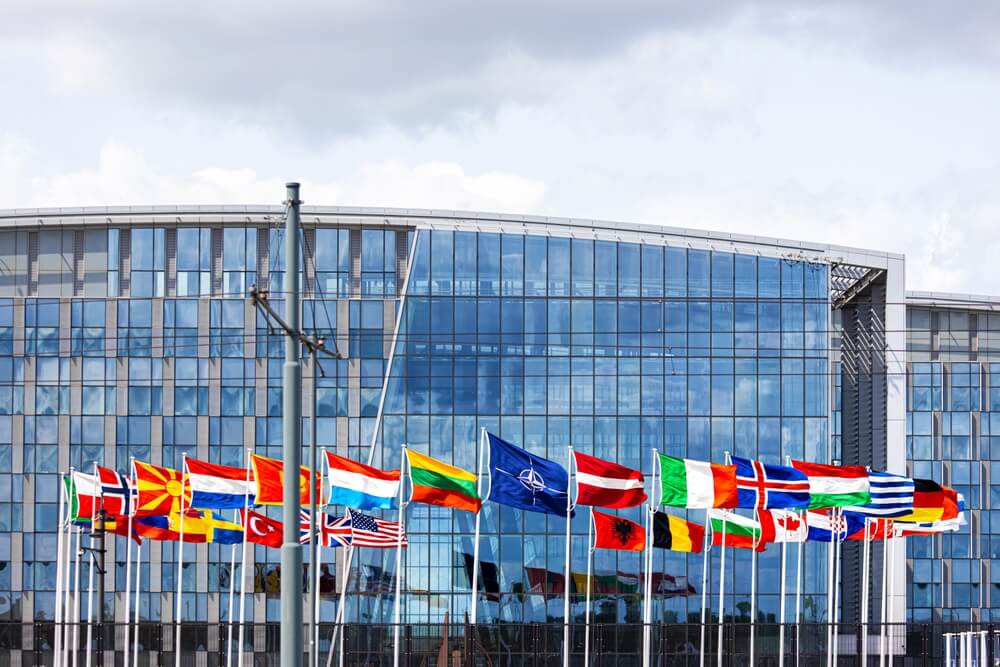
NATO may be entering a new chapter, with European allies taking on a larger share of responsibility for their own defence. At a recent defence ministers’ meeting in Brussels, the US and Europe agreed that the alliance must adapt to survive, even if their reasons for change differ. Washington is looking to pivot attention toward other global regions, while European leaders want to reduce reliance on an unpredictable US administration.
US Under Secretary of War Eldridge Colby outlined a vision he called “NATO 3.0,” emphasizing that Europe should provide most of the forces needed to deter and, if necessary, defeat conventional threats on the continent. The message reinforced long-standing US calls for greater burden-sharing while signalling a shift in focus toward the Indo-Pacific.
Europe Takes More Responsibility
European ministers appeared ready not just to listen, but to act. NATO Secretary General Mark Rutte called the gathering “one of the most pivotal meetings” he has attended, pointing to a “real shift in mindset” and a stronger European defence posture within the alliance.
Several countries — including Denmark, Estonia, Latvia, Lithuania and Poland — are already exceeding the target of 3.5% of GDP on defence, achieving the goal a decade ahead of schedule. This progress follows months of US pressure, including former President Trump’s threats to question NATO’s collective defence obligations if spending benchmarks were not met.
Balancing Transatlantic Security
European leaders emphasized that increased responsibility is both natural and necessary. Germany’s Boris Pistorius highlighted that the US has historically carried the lion’s share of conventional defence, and it is now time for Europe to step up. France and Romania called for continued collaboration with the US while building European capacity to defend the continent independently.
The Netherlands stressed a “no-surprise policy” to ensure any US drawdown is balanced by European preparation. Some rebalancing is already in motion: the US announced it would not replace a rotating infantry brigade in Romania, while European allies have taken on greater leadership within NATO’s command structure.
Maintaining a Strong US Presence
Rutte stressed that Europe’s growing role does not eliminate the need for a strong US presence. Key positions, including the Supreme Allied Commander Europe, remain in American hands to ensure continued strategic leadership. This division of labour allows Europe to take on more operational responsibility while keeping NATO’s transatlantic bond intact.
NATO 3.0 represents a pragmatic evolution: Europe strengthens its own defence, the US focuses on global priorities, and the alliance maintains unity to meet the challenges of the 21st century.
