


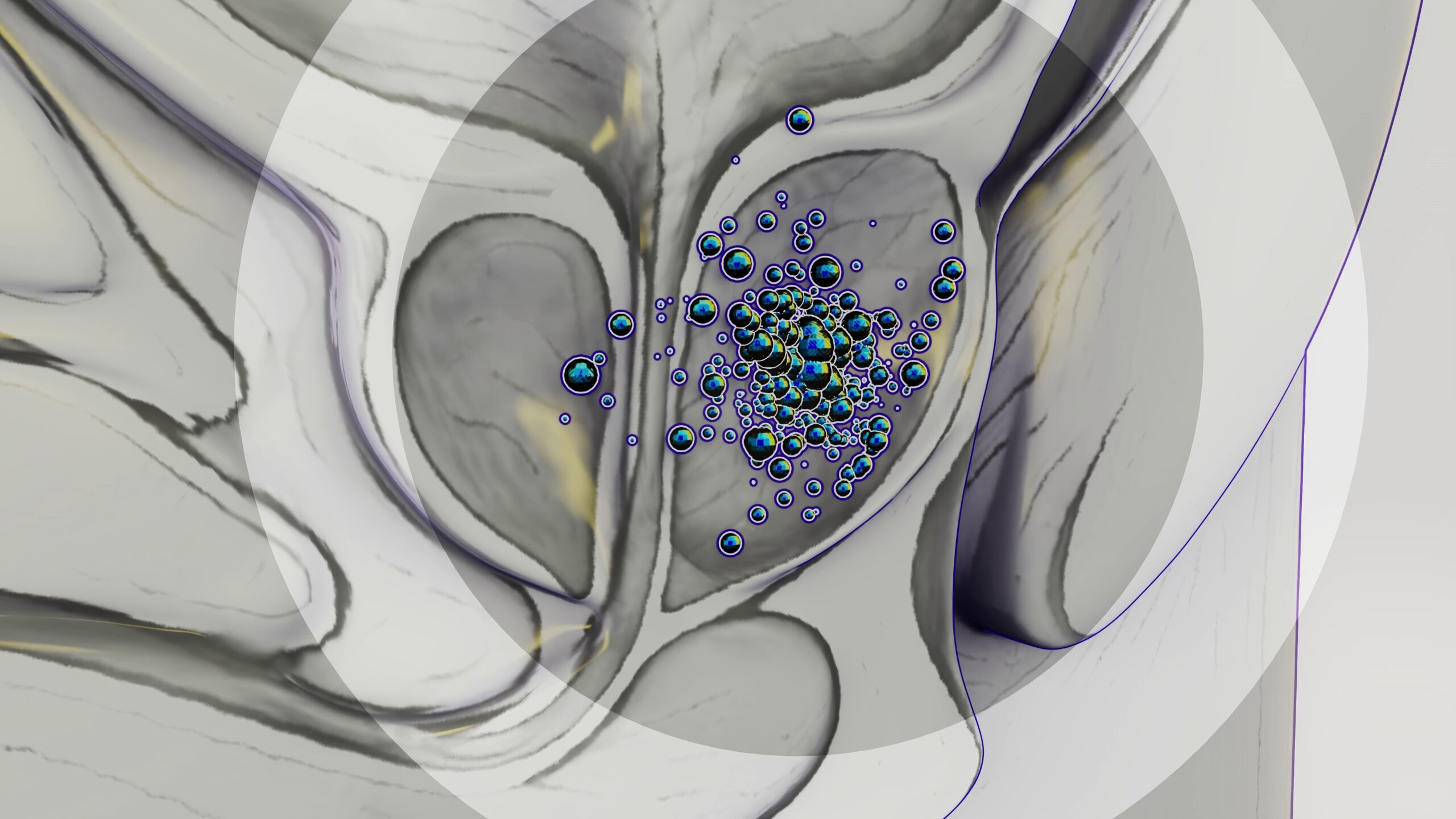
An experimental drug called VIR-5500 has produced striking early results in men with advanced prostate cancer.
Researchers reported tumour shrinkage and major biomarker reductions in a phase one trial.
The treatment uses immunotherapy to direct the body’s T-cells toward cancer cells.
It activates mainly inside tumours, which helps limit severe side effects.
Most participants experienced only mild reactions.
Fifty-eight men whose disease resisted other therapies received the drug.
Among those given the highest dose, most saw prostate-specific antigen levels drop sharply.
Several patients recorded reductions of more than ninety percent.
Doctors also observed visible tumour shrinkage in nearly half of the evaluable cases.
One patient saw multiple liver metastases disappear after repeated treatment cycles.
Scientists have long considered prostate cancer resistant to immunotherapy.
These findings suggest a possible breakthrough for late-stage disease.
Experts called the results exciting but stressed the need for larger trials.
Future studies must confirm long-term safety, effectiveness, and benefits across diverse patient groups.
Researchers hope this new approach will extend survival and improve quality of life for many men.
