


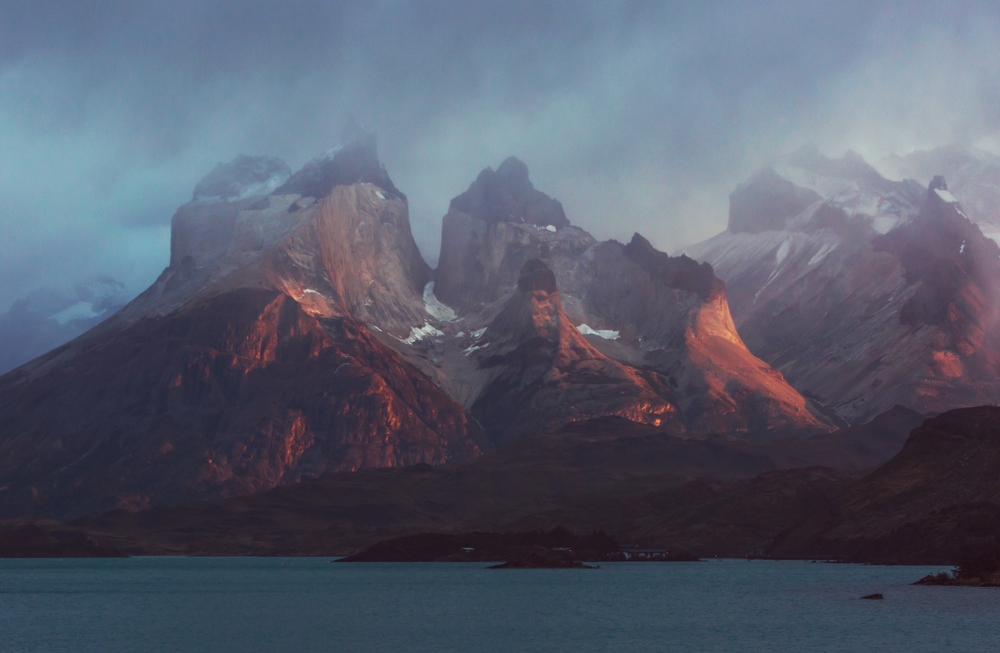
A group of tourists ignored worsening conditions and began the challenging O Circuit trek due to absent park rangers and unreliable weather forecasts. Torres del Paine National Park in Chile, tucked in icy and remote Patagonia, attracts 250,000 to 300,000 visitors annually. Thousands attempt the park’s renowned trails. On 17 November, a sudden, violent blizzard struck the O Circuit trail, killing five trekkers and leaving dozens trapped in whiteout conditions for hours. This tragedy, driven by severe weather, highlighted deficiencies in the park’s safety measures, which critics have repeatedly questioned.
Rapidly Changing Conditions Overwhelmed Hikers
Around 30 international trekkers left Los Perros campsite between 5 and 7 am on 17 November to cross John Garner Pass. They began in light rain with moderate winds, typical for the area, but the weather worsened as they climbed. By late morning, visibility fell to a few meters, and wind speeds exceeded forecasts, creating treacherous whiteout conditions that made staying on the trail nearly impossible. The O Circuit, a 130–140 km loop circling the massif, ranks among Patagonia’s most demanding treks.
After 10 am, the storm intensified with horizontal snow, violent gusts, and complete loss of visibility. Hikers reached the exposed upper section of John Garner Pass, above the treeline. Some tried turning back while others pressed upward, unaware of the storm’s rapid escalation. With no natural shelter, extreme cold, and heavy snow, several hikers could not descend safely. Five trekkers died: Mexican couple Cristina Calvillo Tovar and Julian Garcia Pimentel, German couple Nadine Lichey and Andreas von Pein, and British trekker Victoria Bond. Survivors later found them near the top of the pass.
Park Oversight and Ranger Absence Under Scrutiny
Survivors reported that officials did not provide clear or timely warnings about conditions on John Garner Pass. Camp staff said forecasts predicted only moderate winds, calling them “normal.” The trail remained open despite worsening weather signs. Rescue coordination lagged because no trained personnel were present in the remote area. Stranded hikers organized initial rescues themselves before help arrived. CONAF, Chile’s National Forestry Corporation, holds responsibility for monitoring conditions, controlling access, and issuing closures or warnings.
During high season, rangers usually control entrances, monitor trails, and update visitors on risks. On 17 November, no rangers were near the most dangerous section of the O Circuit. Many staff were off duty for the Chilean presidential election on 16 November, reducing park presence by roughly half. CONAF confirmed no rangers were stationed near Los Perros or John Garner Pass when the blizzard struck. Public reports indicate only about 51 personnel were present across the park that day.
Staff shortages pose a recurring challenge. By 2025, Chile employed just 450 highly qualified rangers to manage 13.2 million hectares of parks. A 2018 Lincoln Institute report noted that some protected areas operate with fewer than five employees. Earlier in 2025, thousands of CONAF workers went on strike over administrative issues and resource shortages. Meanwhile, in Argentina, rangers resigned en masse due to dissatisfaction with the national park administration under Javier Milei’s government.
