


Immediate Action on Trade
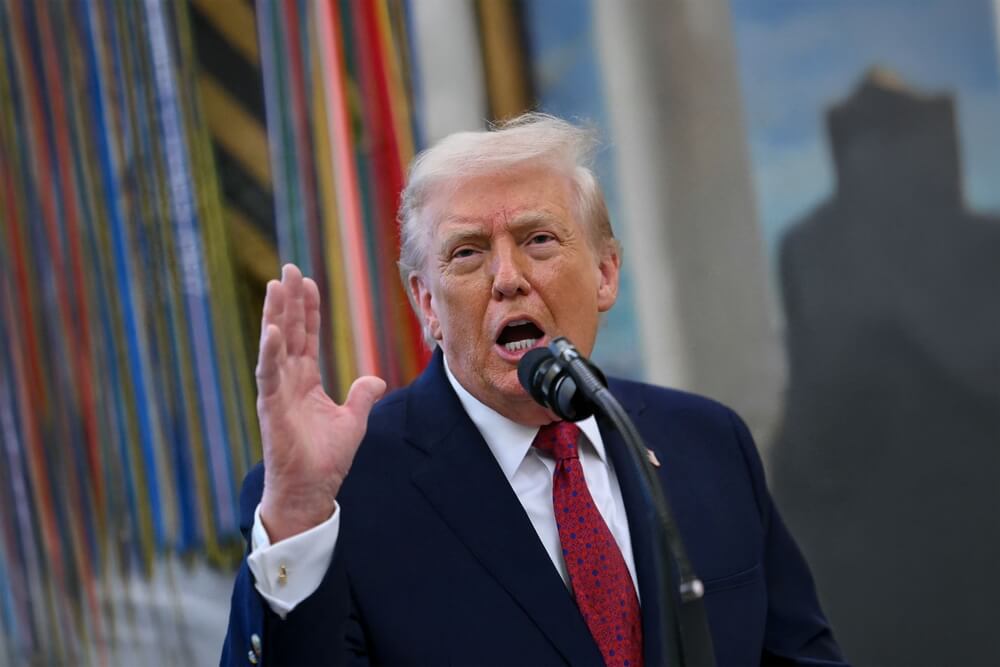
US President Donald Trump announced an immediate increase in global tariffs from 10% to 15%, a day after the Supreme Court struck down his previous use of emergency powers to impose broad import taxes. Trump criticized the court’s 6–3 ruling as “poorly written and extraordinarily anti-American” but said other legal avenues exist to continue defending US trade interests.
Legal Limits and Alternative Measures
The Supreme Court ruled that the Constitution grants Congress—not the president—the authority to levy taxes, including tariffs. While this limits Trump’s use of the International Emergency Economic Powers Act (IEEPA), the administration plans to rely on other laws, including Section 301 and Section 122 of the Trade Act of 1974. These provisions allow targeted investigations and temporary import surcharges, though with stricter timeframes and narrower scope than the emergency powers approach.
Ongoing Challenges and Economic Impact
The tariff hike faces lawsuits from states and companies arguing the previous measures were unlawful. Many tariffs remain in place, but legal and procedural limits under alternative statutes could constrain future actions. Critics note that tariffs are unpopular with voters concerned about rising costs, yet the administration insists it will explore all legal options to maintain protection against unfair foreign trade practices.
