


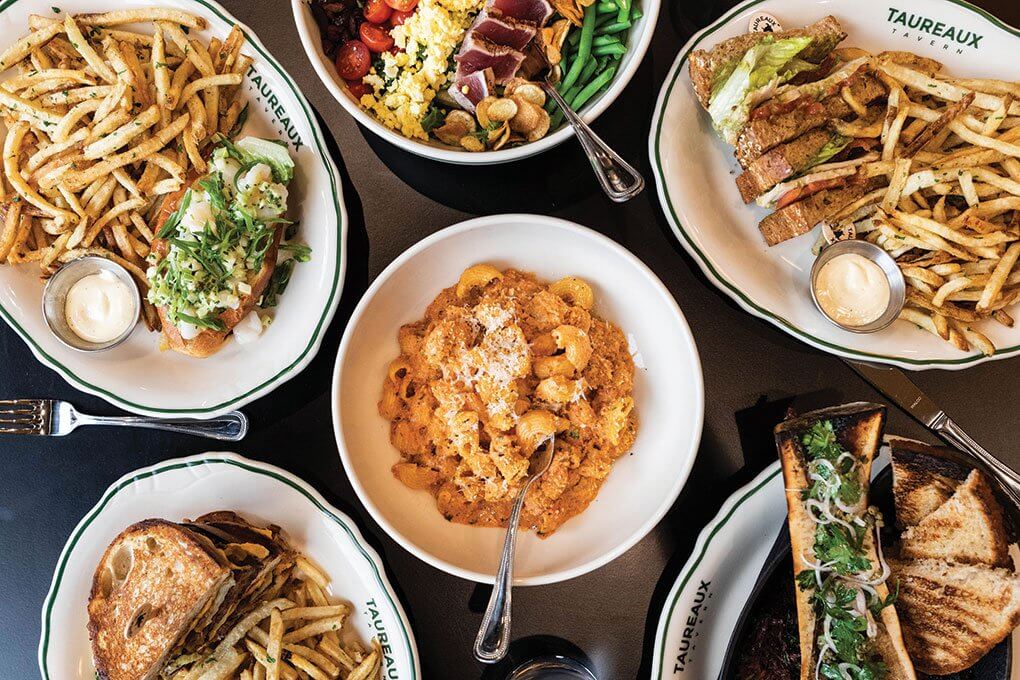
French cuisine is more than just food; it is a global benchmark that shapes chefs and culinary trends worldwide. From Paris to New York, French cooking techniques, recipes, and presentation styles are inspiring kitchens everywhere. Experts say this influence strengthens France’s cultural identity and attracts millions of tourists every year.
Top chefs across the globe credit French cuisine for shaping their skills. Techniques such as sauce making, pastry crafting, and fine dining plating are now standard in many countries. Culinary schools in Europe, Asia, and the Americas emphasize French methods, showing its lasting impact. Many chefs say French cooking teaches precision, patience, and creativity. This global spread is not just about following recipes but understanding the philosophy behind French gastronomy. Cooking enthusiasts and professionals alike often travel to Paris to study in renowned culinary schools, learning directly from French masters.
French cuisine is also a source of national pride. Experts note that the world’s admiration for French food strengthens France’s cultural identity. Events like international food festivals showcase French dishes, attracting media coverage and global attention. Paris benefits from this reputation as tourists plan trips to taste iconic dishes such as coq au vin, croissants, and crème brûlée. Local restaurants report higher bookings and revenue during international culinary events, reinforcing the economic value of French gastronomy.
Tourism is a major part of France’s economy, and French cuisine plays a key role. Many travelers visit Paris specifically to explore local markets, wine tastings, and fine dining experiences. Experts say this trend boosts small businesses and creates jobs in hospitality, from hotels to cafes. Visitors also participate in cooking workshops and guided food tours, learning traditional French techniques. This interactive experience strengthens cultural appreciation and encourages repeat visits.
French cuisine is evolving while keeping its classical roots. Chefs worldwide are blending French techniques with local ingredients, creating innovative dishes that still honor tradition. This balance between classic and modern cooking keeps French gastronomy relevant and admired. International awards and Michelin stars continue to highlight French culinary excellence. This recognition encourages young chefs to pursue training in French methods, ensuring the legacy continues. Culinary experts say that France’s influence on the global food scene is stronger than ever.
The influence of French cuisine is not limited to France. It shapes cooking standards, inspires chefs, and attracts tourists globally. From boosting Paris’ economy to strengthening cultural pride, French gastronomy remains a powerful force in the culinary world.
