


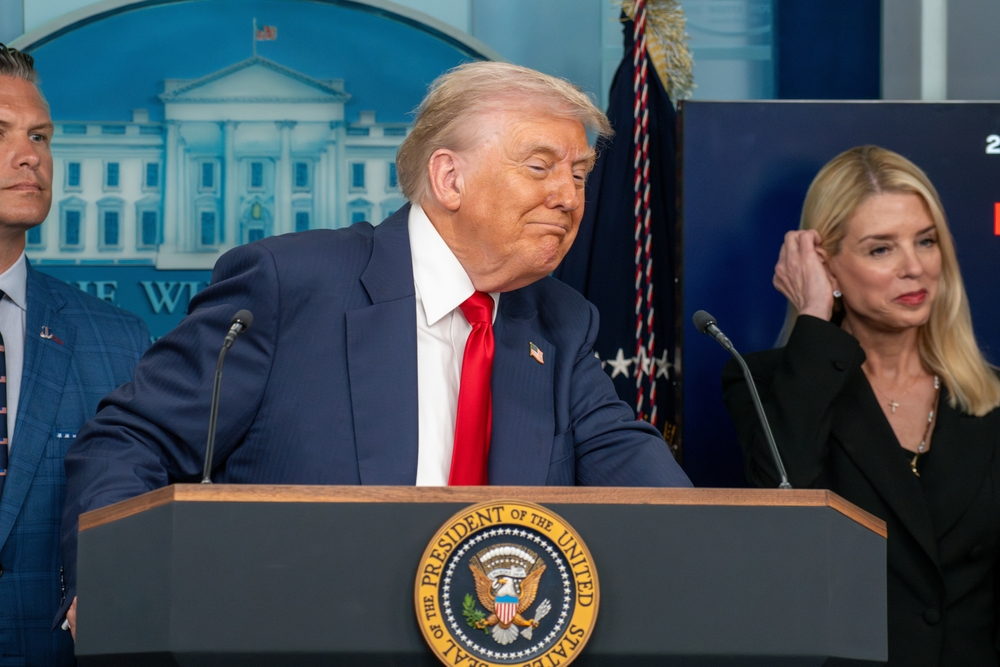
US President Donald Trump said Venezuela will deliver up to 50 million barrels of oil to the United States. He connected the transfer to a US military operation that removed President Nicolás Maduro from power. Trump estimated the oil’s value at about $2.8bn. He described it as high quality and sanctioned crude. He announced the plan on social media. He said the oil would sell at market prices. He added that he would control the revenue. He said the money would benefit people in Venezuela and the United States.
Trump said US oil production in Venezuela would restart rapidly. He claimed the industry would operate fully within 18 months. He also predicted major foreign investment. Energy analysts have challenged those claims. They previously said restoring production would cost tens of billions of dollars. They also warned the process could take up to ten years.
Washington Seeks Exclusive Oil Access
China criticised Trump’s announcement and reported US demands on Venezuela. Beijing accused Washington of forcing exclusive control over Venezuelan oil. China has been Venezuela’s biggest oil buyer in recent years. Chinese officials rejected pressure to end economic ties. A US broadcaster reported that Trump pressured Delcy Rodríguez during talks. He allegedly demanded an exclusive US partnership on oil production. He also sought a break with China, Russia, Iran and Cuba.
Trump wrote on Truth Social that interim authorities would transfer between 30 and 50 million barrels. He said the oil would sell at market prices. He said he would personally oversee the proceeds. He promised the funds would serve both nations. Rodríguez became interim president one day earlier. US authorities transferred Maduro to the United States. He now faces drug trafficking and weapons charges.
Oil Prices and Investor Scepticism
Trump said Venezuelan oil production would lower global prices. He made the claim during an interview with NBC News. He argued that higher supply would help US consumers. Representatives from major US oil companies planned meetings with the administration. A US media partner reported the discussions. Analysts questioned the likely impact. They doubted any short-term effect on supply or prices.
Experts said companies need assurances of political stability. They also warned that new investments take years to deliver output. Trump argued that US firms can repair damaged oil infrastructure. Venezuela holds an estimated 303 billion barrels of oil. That figure represents the world’s largest proven reserve. National production has declined steadily since the early 2000s.
Costly Production and Heavy Crude
The Trump administration sees strategic energy potential in Venezuela. Expanding production would prove expensive for US companies. Venezuelan crude is heavy and difficult to refine. Only Chevron currently operates in the country. Asked about future plans, Chevron responded cautiously. Spokesman Bill Turenne said the company prioritises employee safety. He also stressed full compliance with laws and regulations.
ConocoPhillips no longer operates in Venezuela. A company spokesman said it continues to monitor developments. He said speculation about future investment would be premature. Exxon did not respond to requests for comment. Analysts said uncertainty continues to shape company decisions. They pointed to extensive damage across oil facilities.
China Accuses the US of Violations
China’s foreign ministry issued sharp criticism on Wednesday. Spokeswoman Mao Ning accused the US of military aggression. She said Washington violated international law. She also accused the US of undermining Venezuelan sovereignty. Mao said the actions harmed Venezuelan citizens. She stressed that China’s interests must remain protected. She described China–Venezuela cooperation as lawful and sovereign.
Trump defended Maduro’s removal from Caracas. He claimed Venezuela had seized American oil. Vice-President JD Vance repeated the accusation online. He said Venezuela expropriated US oil assets. He also alleged the country funded criminal networks. The historical record shows a more complex situation.
Nationalisation and Legal Disputes
US oil companies operated in Venezuela for decades under licences. Venezuela nationalised its oil industry in 1976. In 2007, President Hugo Chávez expanded state control further. He targeted remaining foreign-owned assets. A World Bank tribunal later ruled on the dispute. It ordered Venezuela to pay $8.7bn to ConocoPhillips. Venezuela has not paid the compensation.
At least one US company still awaits payment. Legal experts say claims of stolen oil oversimplify reality. They note that Venezuela always owned the oil itself. International law recognises national ownership of natural resources. Sovereign states retain control over their reserves.
