


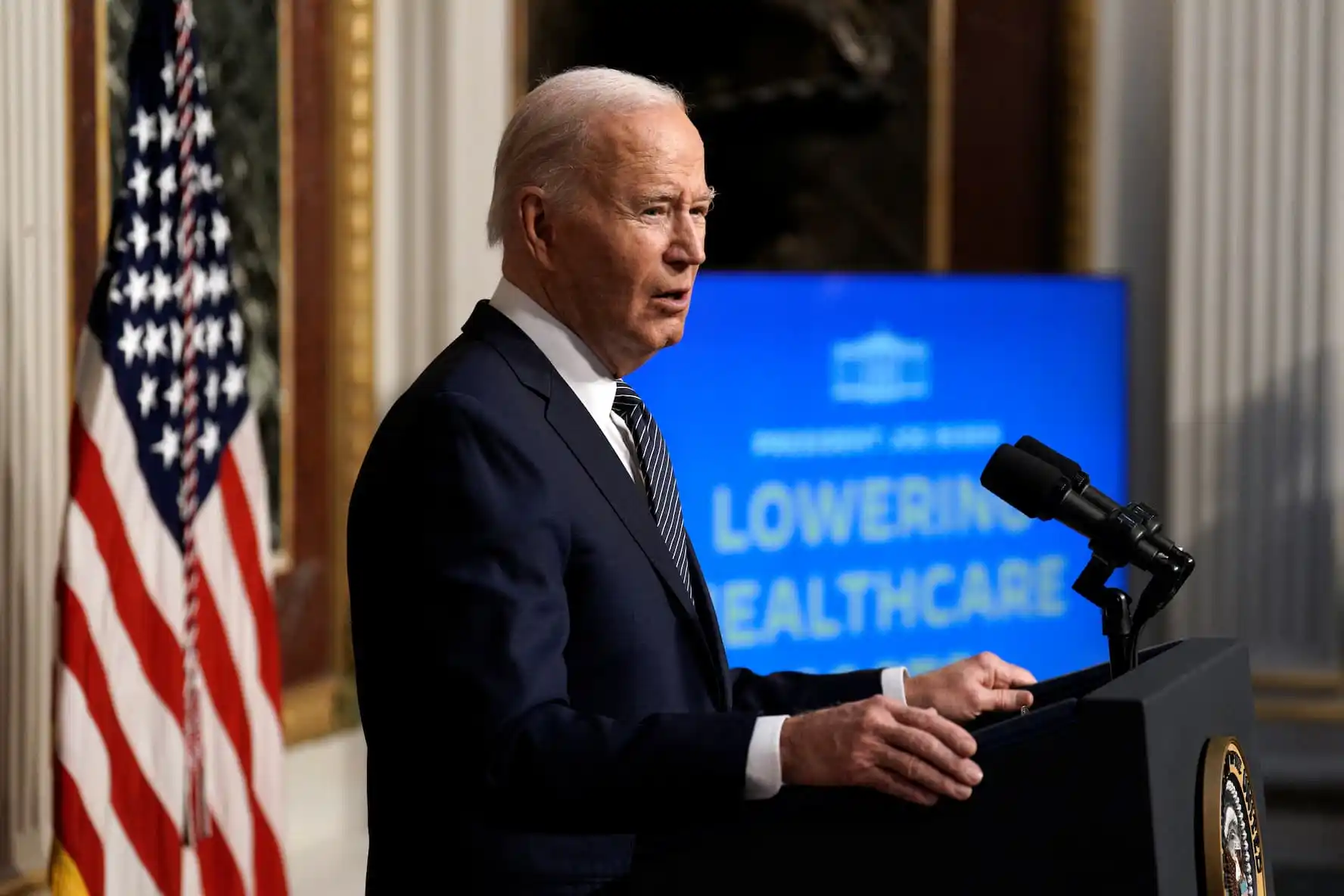
In the recent elections, many voters prioritized economic issues and cost-of-living concerns over ideological divides. Analysts noted that this focus played a key role in shaping electoral outcomes. Candidates who addressed affordability and practical governance gained significant support across multiple states and districts.
These results highlight a shift in voter priorities, showing that citizens are increasingly looking for leaders who respond to everyday challenges. Concerns over rising expenses, housing costs, and essential services influenced how people cast their ballots. Experts say this trend reflects a pragmatic approach to politics, where governance and results matter more than partisan ideology.
Political analysts suggest that candidates who emphasize solutions to economic pressures resonate strongly with a broad range of voters. By focusing on tangible issues like cost-of-living and economic stability, these leaders demonstrate responsiveness to citizen concerns and community needs.
The emphasis on economic issues also signals potential changes in future campaigns. Parties may adjust their strategies to highlight practical policies and concrete solutions rather than relying solely on traditional ideological messaging. Voter engagement appears to increase when candidates present clear plans to address affordability and financial security.
This shift toward governance-focused elections reflects a more issue-driven political landscape. Citizens are showing that they value leaders who tackle real-world challenges, such as inflation, healthcare costs, and local economic development. Analysts say these priorities could shape both state and national policymaking in the coming years.
The 2025 election outcomes underscore the growing importance of economic concerns in American politics. Voters are increasingly rewarding candidates who listen to their needs and provide realistic, actionable solutions. This trend demonstrates the power of pragmatic leadership and its impact on electoral success.
As economic issues remain central to voter decision-making, political campaigns are likely to continue focusing on affordability, cost-of-living pressures, and responsive governance. Analysts predict that this approach will encourage higher civic participation and strengthen democratic accountability.
Overall, the recent elections reveal a clear message: voters prioritize practical governance that addresses economic challenges. By responding to these concerns, elected leaders can build trust, improve community well-being, and ensure that government reflects the needs of its citizens.
