


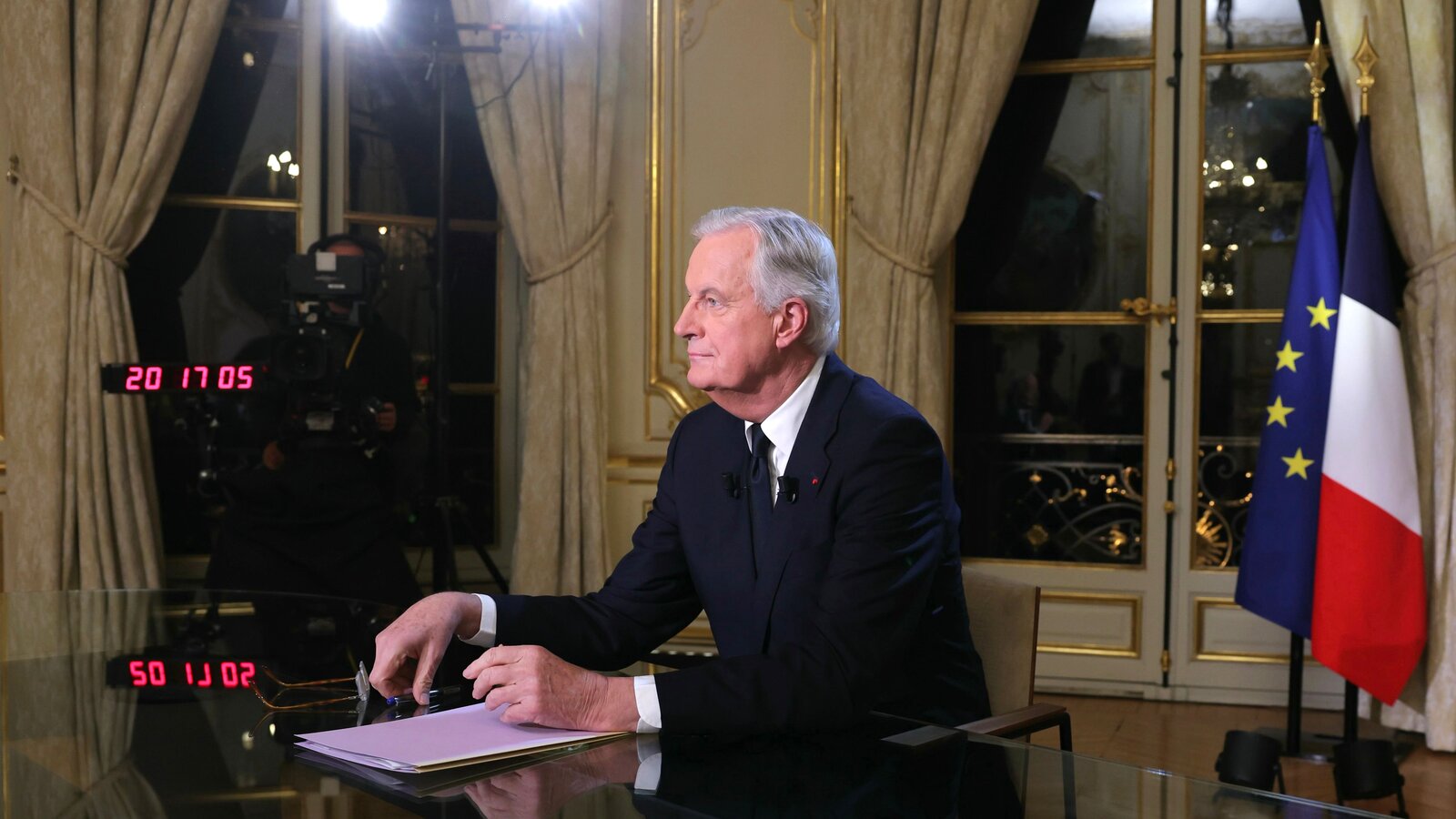
France’s government has issued a fresh warning about the state of the country’s finances, saying that failure to pass the France 2026 budget soon could push the nation into deeper instability. The prime minister spoke plainly in a recent interview, saying the country simply needs a budget in place before political attention shifts fully toward next year’s presidential race.
The warning comes after months of difficult negotiations. French lawmakers remain divided into roughly three competing blocs, a result of the snap elections held two years ago. That split has made it hard for any single government to pass major legislation without support from rival parties, and the budget has become the clearest test of that fragile balance.
Earlier this year, the government did manage to push through a full-year spending plan after surviving multiple no-confidence votes. That budget included higher defense spending and aimed to bring the deficit down to around five percent of national output, an improvement from the previous year but still far above targets set by European partners. Passing it required real compromise, including concessions on pension policy and a promise to avoid new taxes on households and businesses.
Now, attention has turned to preparing the next spending plan, and officials worry the process could become even harder. With a presidential election approaching, political parties have less incentive to compromise. Some may prefer to let talks collapse rather than be seen working with rivals, especially as public frustration over the economy continues to grow.
Financial markets have been watching closely. When budget talks broke down in previous years, borrowing costs for French government debt rose sharply compared with other European economies. Investors want to see steady progress on reducing the deficit and stabilizing public debt, which has climbed considerably in recent years. Any sign of renewed deadlock could unsettle markets again, making it more expensive for the government to borrow.
Business groups have also urged lawmakers to act quickly. Without a clear budget, companies face uncertainty over tax rates, investment incentives, and public spending plans that affect everything from infrastructure to hiring decisions. Delayed budgets can slow business planning, as firms wait to see what rules will apply before committing to major projects.
Economists note that France is not alone in facing these pressures. Several European countries are managing rising debt levels alongside higher defense spending, driven partly by ongoing global tensions. Still, France’s political fragmentation makes its situation more delicate, since the government cannot rely on a stable majority to push through unpopular but necessary decisions.
Supporters of the government argue that recent budgets, while imperfect, showed lawmakers can still find common ground under pressure. They point to the concessions won by moderate factions as proof that compromise remains possible, even in a divided parliament. Critics counter that these deals often come at the cost of deeper reforms needed to fix long-term structural problems in public finances.
As the political season heats up, all sides agree on one thing: further delay carries real risk. Whether lawmakers can set aside election-year rivalries long enough to secure the France 2026 budget will likely shape not only market confidence but also the tone of the campaign heading into next year’s vote.
