


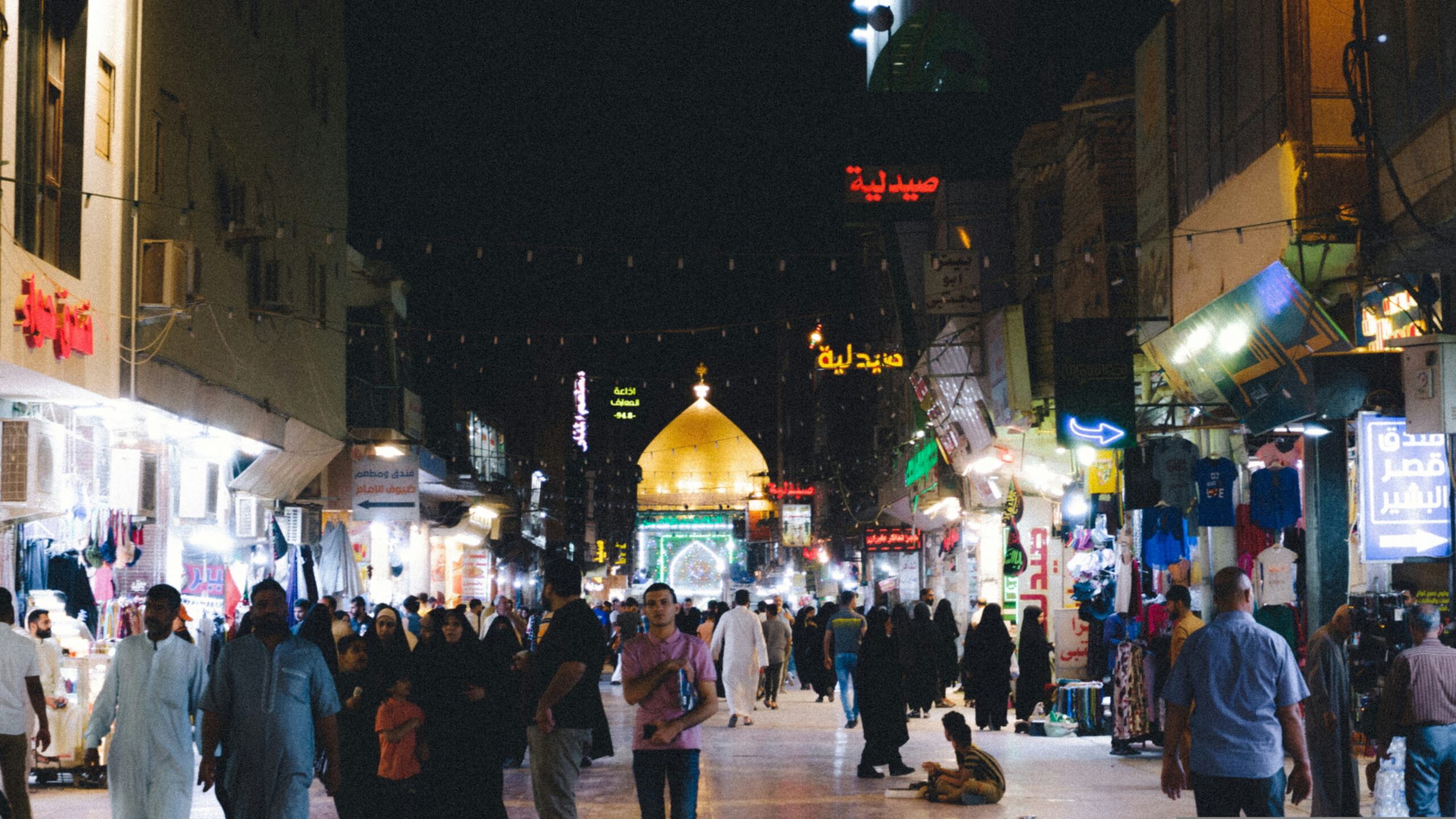
Iraq started early voting Sunday as security forces and displaced citizens cast ballots before Tuesday’s parliamentary election. About 1.3 million army and security personnel and 26,000 displaced people can participate. The outcome will decide whether Prime Minister Mohammed Shia al-Sudani secures a second term amid rising tensions with Israel and Iran. A total of 7,744 candidates compete, mostly from sectarian-aligned parties, shaping Iraq’s delicate political balance between Tehran and Washington.
Exiled Community Seeks Representation
Displaced Yazidis cast votes at a camp near Dohuk in northern Iraq. Many fled Islamic State attacks over a decade ago and remain unable to return due to destroyed infrastructure and ongoing disputes. IS militants killed and enslaved thousands in Sinjar, targeting Yazidis as heretics. Some families trickle back, but armed groups still control the area, blocking reconstruction.
Voter Edris Zozani supported the Kurdish Democratic Party (KDP). “Independent Yazidis cannot represent us effectively,” he said. “Strong parties like the KDP can advance Yazidi interests in parliament.” His vote reflects a community striving for political influence and security after years of persecution.
Armed Forces Shape Political Outcomes
In Baghdad, soldiers, police, and Popular Mobilisation Forces (PMF) members cast ballots. The PMF, a coalition of mainly Shiite, Iran-backed militias, officially falls under Iraq’s military but maintains wide operational autonomy. Parliament debates laws defining PMF authority, drawing objections from the U.S.
A PMF fighter, speaking anonymously, said, “I voted for the list that defends the PMF.” Several PMF factions field political parties, and their performance could reshape Iraq’s military power and influence international relations.
