


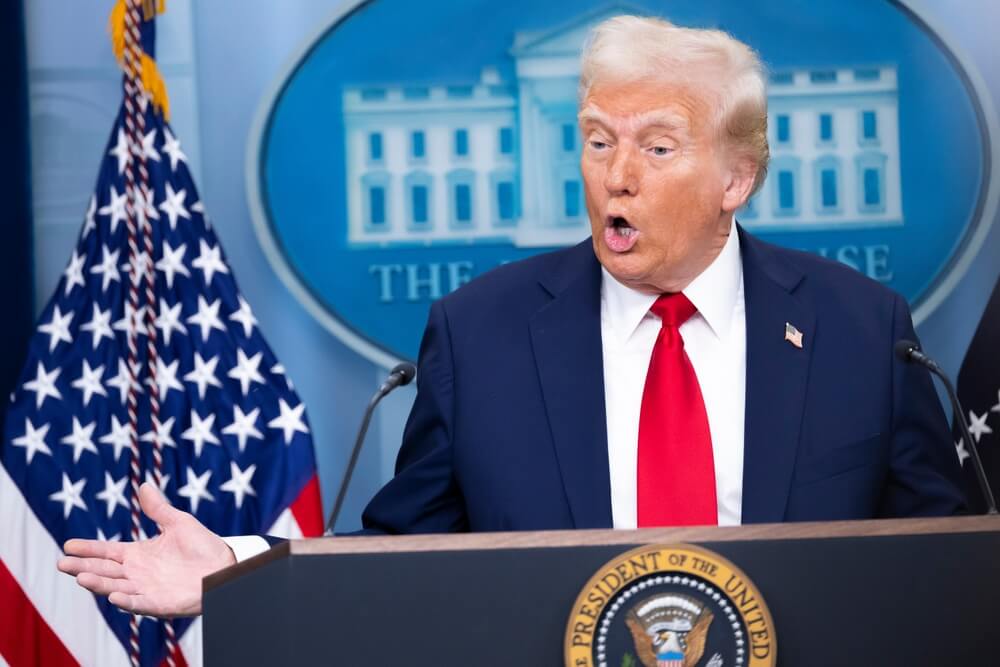
Donald Trump warned that doing business with China was “very dangerous” for the UK as Sir Keir Starmer arrived in Shanghai. The prime minister reached the city on the third day of his China visit. Trump reacted to agreements designed to expand trade and investment between Britain and China. Officials announced those deals after Sir Keir met President Xi Jinping in Beijing.
Trump made the comments while attending a documentary premiere about his wife, Melania, on Thursday. He referred to Xi as a friend and said he knew the Chinese leader very well. Trump did not expand further on his warning about Britain’s engagement with China.
Government rejects warning from Washington
Business minister Sir Chris Bryant dismissed Trump’s remarks. He said it would be bonkers for Britain to ignore China’s place on the world stage. Bryant said the UK entered its relationship with China with its eyes wide open. He also pointed out that Trump is due to visit China himself in April.
Downing Street responded by stressing that US officials knew about the trip in advance. Government sources said Washington understood the visit’s aims beforehand. Officials attempted to play down any suggestion of diplomatic tension.
Trump targets Canada after UK comments
A reporter asked Trump about Britain’s business links with China at the film premiere. Trump responded briefly before shifting his focus away from the UK. He said Canada faced an even greater danger from economic engagement with China. Trump said Canada was doing very poorly and should not see China as the answer.
Earlier in the week, Trump threatened to impose tariffs on Canada. He issued the warning after Prime Minister Mark Carney visited Beijing. Canadian officials discussed economic agreements during that visit.
Starmer expresses confidence after Xi meeting
Sir Keir said the UK’s relationship with China stood in a good and strong place. He spoke after talks with Xi at the Great Hall of the People. On Friday, he said the meetings delivered the engagement Britain had hoped for. He said both sides made real progress during discussions.
Sir Keir later addressed the UK-China Business Forum at the Bank of China in Beijing. He said Britain had a huge amount to offer China. He described the meetings as warm and constructive.
Agreements span trade, travel and security
Several outcomes emerged from Sir Keir’s visit. Britain and China agreed on visa-free travel arrangements. They also agreed to reduce tariffs on whisky exports. AstraZeneca announced a £10.9bn investment to build manufacturing facilities in China.
The two governments also agreed to co-operate on organised crime and illegal immigration. The agreement will allow intelligence sharing on people-smuggling supply routes. UK officials say inflatable dinghies used in small boat crossings often contain parts sourced in China.
Other agreements aim to cut red tape for British exporters. Britain and China also committed to collaboration on health challenges. Officials highlighted antimicrobial resistance as a shared priority.
Trade data and business reaction
The United States remained Britain’s largest single-country trading partner in 2025. China ranked fourth, according to official trade figures. Business groups closely followed Sir Keir’s visit.
Chris Torrens, chair of the British Chamber of Commerce in China, praised the trip as successful. He said it made sense for Britain to engage with one of its largest trading partners. Torrens said many Western leaders had recently visited Beijing or planned trips soon.
He said the US criticised other economies for doing deals with China. He added that Washington itself might still reach an agreement with Beijing this year.
Political backlash and rights concerns
Sir Keir arrived in Shanghai on Friday morning. The city marked his final stop in China. He plans to travel next to Tokyo for a working dinner with Japanese prime minister Sanae Takaichi.
Opposition MPs criticised the visit strongly. They said it marked the first trip to China by a UK prime minister since 2018. Critics warned of national security risks and highlighted China’s human rights record.
The UN has accused China of serious human rights violations against Uyghurs and other Muslim groups. China has also faced criticism over the treatment of Hong Kong media tycoon Jimmy Lai. Lai faces a possible life sentence.
Shadow home secretary Chris Philp accused Sir Keir of bowing to President Xi. He said the government traded national security for economic crumbs. Ministers faced similar criticism earlier this month over plans for a major new Chinese embassy in central London.
Security Minister Dan Jarvis defended that decision. He said intelligence agencies played an integral role. He said authorities managed the risks appropriately.
