


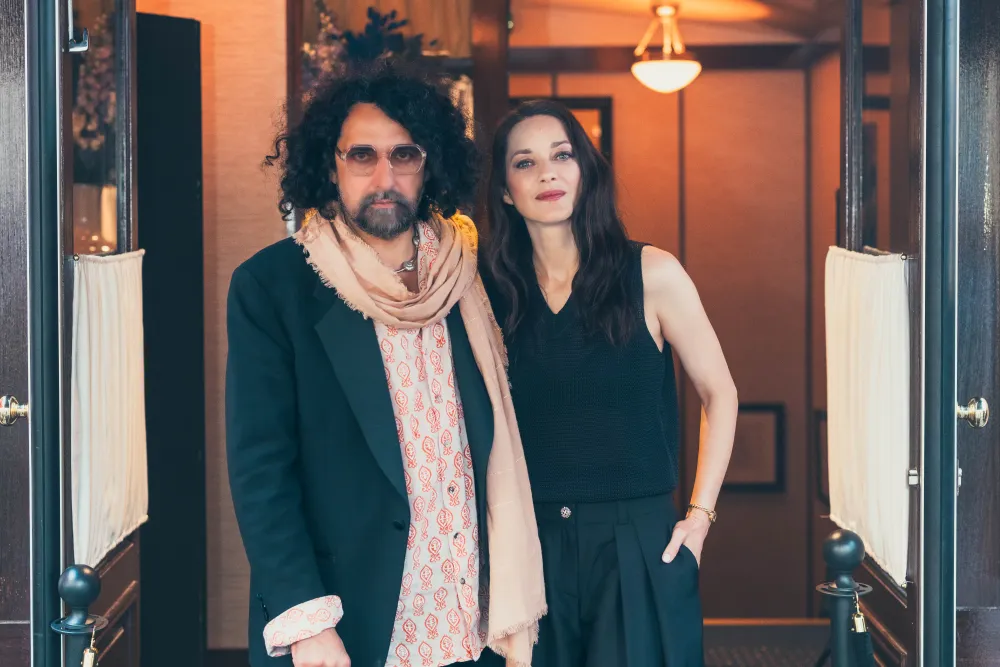
Luxury fashion house Chanel is playing a leading role in the revival of one of Paris’s most historic cinemas, as an influential group of French business leaders, publishers, and film industry figures come together to reopen the legendary Saint-Germain-des-Prés theatre.
The 208-seat cinema on Paris’s Left Bank officially returned to public life last week after more than a decade of closure. The reopening was marked by a gala screening attended by leading figures from the French film industry, including representatives from the Cannes Film Festival and the National Centre for Cinema, highlighting the cultural significance of the venue’s return.
Once known under names such as the Bilboquet and later the Olympic Saint-Germain, the cinema has long held an important place in French film history. It previously hosted premieres by acclaimed directors including François Truffaut, Éric Rohmer, and Costa-Gavras, whose political thriller “Z” famously ran there for nearly five months after its release in 1969.
The revival project is backed by a broad coalition of financiers, producers, and cultural patrons, with Chanel serving as a key partner supporting the renovation and relaunch. The initiative is led by film producer Charles Gillibert and investment banker Grégoire Chertok, both of whom have longstanding ties to the French cultural and film sectors.
The group also includes several prominent figures from publishing, finance, and cinema institutions. Among them are representatives connected to influential French film publications, production companies, and investment firms, reflecting a wide-ranging effort to restore the cinema not just as a commercial venue, but as a cultural institution.
Rather than operating as a standard commercial theatre, the renewed Saint-Germain-des-Prés cinema is designed to function as a permanent cultural hub. Its programming will combine contemporary auteur films, classic repertory screenings, filmmaker talks, retrospectives, and festival-related events, positioning it as a gathering place for cinephiles and industry professionals alike.
The venue’s new leadership has emphasized inclusivity and diversity in programming. The cinema aims to showcase films from multiple countries, languages, and genres, ranging from drama and comedy to documentary and experimental works. Organizers say the goal is to create a space that reflects global cinema while preserving the intellectual tradition of Paris film culture.
The reopening also comes at a politically sensitive moment for France’s cultural sector. Ahead of the country’s next presidential election, debates have intensified over state support for the film industry and the role of France’s long-standing cinema funding system.
Supporters of the existing model argue that it has helped maintain a strong domestic film industry and protect cultural diversity. Critics, however, have described it as outdated and overly protectionist. The reopening of the cinema has therefore become a symbolic moment in the wider debate over the future of French cultural policy.
At the reopening ceremony, French cinema officials defended the strength of the national film ecosystem, pointing to recent attendance data showing rising cinema admissions and strong domestic market share for French productions. They argued that France’s model continues to support both audience engagement and cultural production at a high level.
Speakers at the event also stressed the importance of preserving independent venues. They warned that cinema diversity depends not only on the variety of films produced, but also on maintaining a wide network of screening spaces, including smaller independent theatres.
Chanel’s involvement in the project reflects the luxury brand’s growing footprint in the cultural and creative industries. Beyond fashion, the company has supported film restoration projects, festival partnerships, and production initiatives in recent years, positioning itself as a long-term patron of cinema culture.
Industry leaders involved in the project say the cinema is intended to be more than a nostalgic restoration. Instead, it is being framed as a modern cultural platform where filmmakers and audiences can engage in dialogue and where both classic and contemporary works can be showcased side by side.
The reopening program includes screenings of several internationally recognized films from recent festival circuits, along with discussions featuring directors and actors. Organizers say this blend of programming reflects their ambition to bridge historical legacy with contemporary creativity.
The revival of Saint-Germain-des-Prés cinema is being closely watched across Europe’s cultural sector as an example of how private investment, cultural institutions, and creative industries can collaborate to restore historic venues while adapting them for modern audiences.
As the theatre begins its new chapter, its supporters say it represents both a preservation of Parisian cinematic heritage and a renewed commitment to keeping theatrical film culture at the center of artistic life in France.
