


Aid groups in Paris are raising concerns about the health and safety of migrants living in temporary camps as a severe heatwave continues to affect the French capital. Volunteers and medical workers say many people are struggling with extreme temperatures, poor living conditions, and limited access to basic services.
Doctors of the World has increased support through its mobile health unit in areas near the La Chapelle and Stalingrad metro stations. The organization is providing medical care and monitoring people who are facing serious health risks linked to the heat.
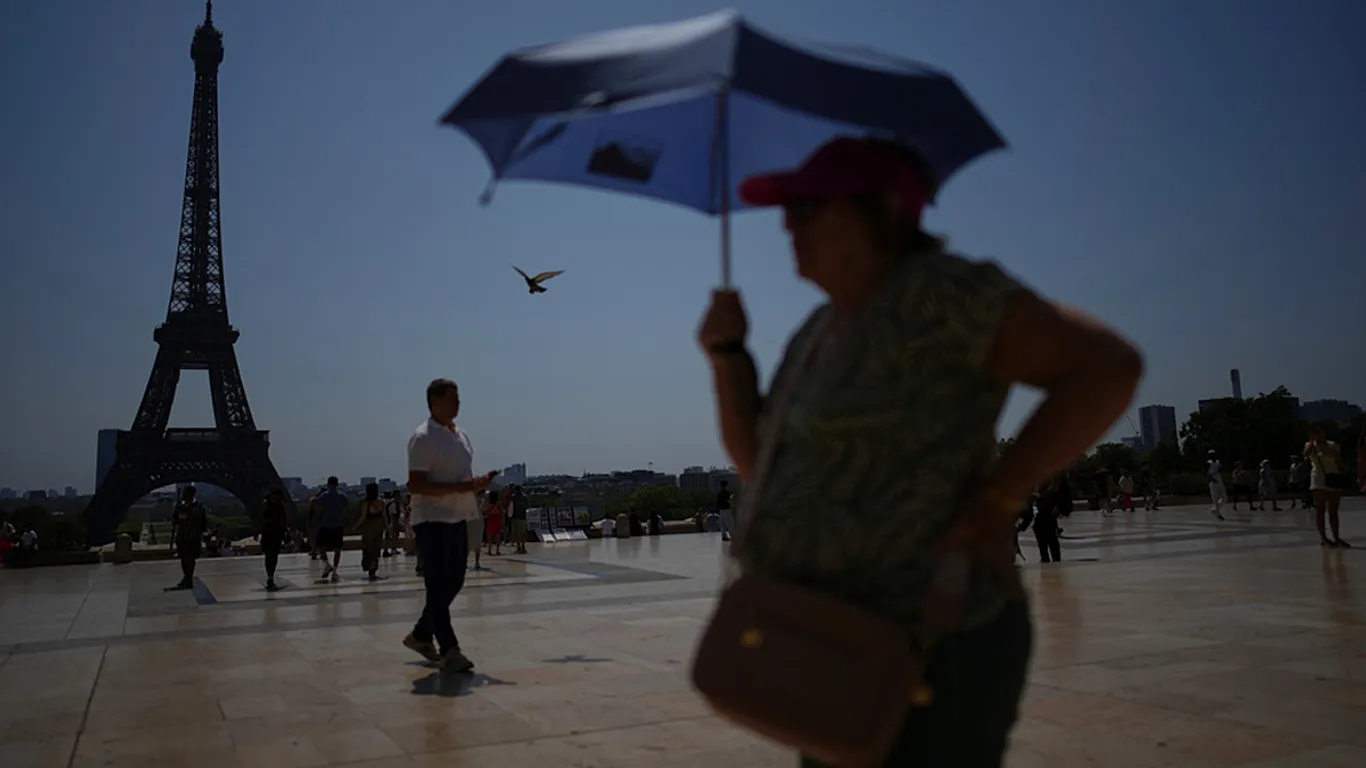
Temperatures have reached around 36 degrees Celsius in Paris. Aid workers say conditions feel even hotter because many migrants live in crowded spaces surrounded by concrete, traffic, and little natural shade.
Paul Alauzy, the Paris coordinator for Doctors of the World, said the situation has become very difficult for people living in tents. He explained that many migrants face constant noise from traffic, limited access to food, and few opportunities for proper rest.
According to aid workers, these conditions increase the impact of the heat. People spend long hours exposed to high temperatures with little protection from the sun.
Medical teams have already responded to several cases of illness linked to the weather. Alauzy said one man recently collapsed and became unwell during the extreme heat.
Health workers warn that heatstroke and dehydration are among the most common problems. Without regular access to clean water, cooling areas, or proper shelter, many people face increased health risks each day.
The current heatwave began in late June and has continued to place pressure on vulnerable groups across the city. Nearly one thousand migrants are believed to be living in makeshift camps in the affected areas.
Many residents of the camps stay inside tents during the hottest parts of the day. Others gather in small shaded areas whenever possible to avoid direct sunlight.
Doctors of the World says the heat is not the only challenge facing migrants. Medical volunteers are also treating skin conditions and infections that can worsen in hot weather.
Dr. Lise Lavillonière, a dermatologist who volunteers with the organization, said poor hygiene conditions contribute to many health issues. She regularly sees cases of scabies and pyoderma among people living outdoors.
Health experts explain that infections can spread more easily when people lack access to washing facilities and clean living spaces. Sweating during extreme heat can also make some skin conditions worse.
Medical teams continue to provide treatment, but they say the underlying living conditions remain a major concern. Many migrants have limited access to showers, healthcare services, and secure shelter.
Volunteers also report growing mental health concerns. According to Lavillonière, many migrants show signs of emotional and psychological stress.
She said this is not surprising given the difficult experiences many people have faced before arriving in France. Long journeys, uncertainty about the future, and harsh living conditions can all affect mental well-being.
Aid organizations say mental health support is becoming increasingly important as people continue to live in unstable conditions. The combination of extreme heat and daily hardship can add further stress.
Local support services have taken steps to help people cope with the heatwave. A water distribution point has been installed in the area, and humanitarian groups continue to provide medical assistance and essential supplies.
Despite these efforts, aid workers say daily life remains extremely challenging. Many migrants continue to spend their days searching for shade and ways to stay cool.
Humanitarian organizations are urging greater attention to the needs of vulnerable people during periods of extreme weather. They warn that heatwaves can quickly become dangerous for individuals who do not have access to stable housing or basic services.
The situation in Paris reflects broader concerns across Europe, where rising temperatures are creating new challenges for homeless people, migrants, and other at-risk groups.
As the heatwave continues, medical teams and volunteers remain on the ground, providing care and monitoring health conditions. Aid groups say continued support will be necessary to help protect migrants from the ongoing effects of extreme heat and difficult living conditions.
