


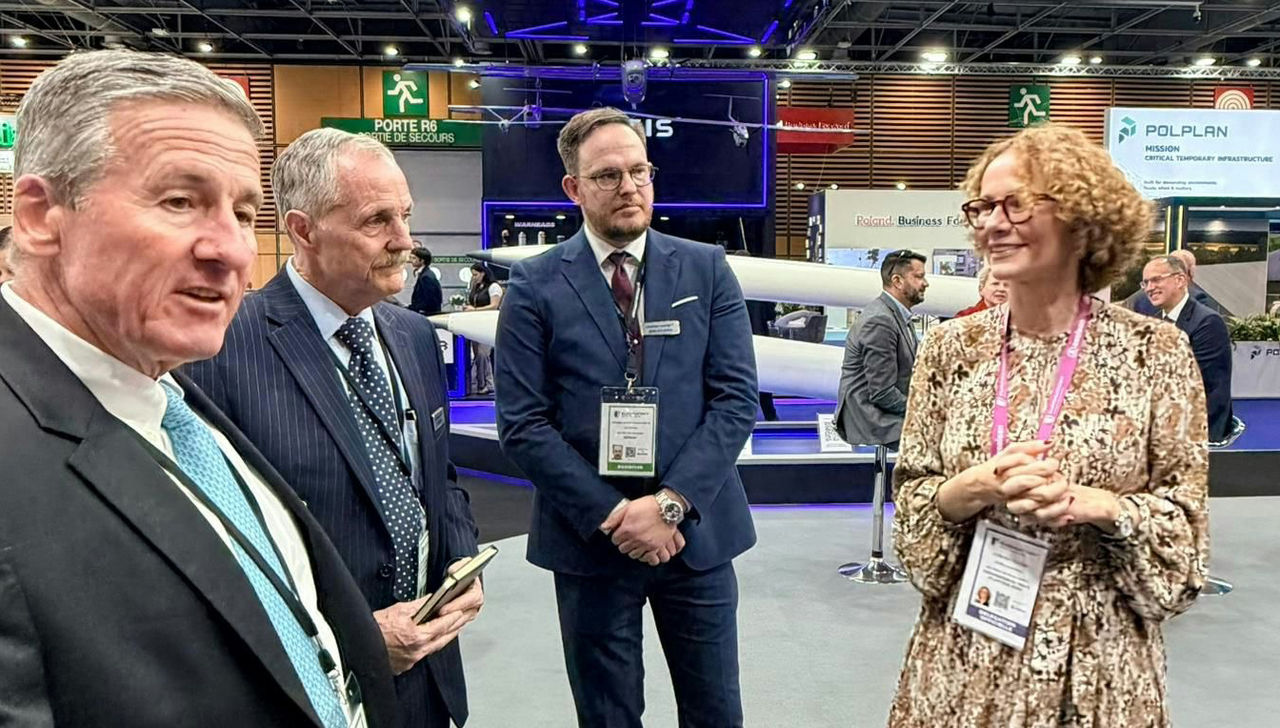
NATO Deputy Secretary General Radmila Shekerinska has met with defence industry leaders in Paris, highlighting the growing importance of the sector in strengthening Europe’s military readiness. She attended the Defence Forum Eurosatory, where discussions focused on how industry innovation is becoming central to modern defence strategy.
During her talks with industry representatives, Shekerinska stressed the need for closer cooperation between NATO and the defence sector. She said rapid changes in modern warfare require faster innovation and stronger industrial capacity to ensure allied forces remain prepared for emerging threats. According to her, defence companies now play a key role in providing technologies and solutions that support collective security across NATO member states.
She also previewed the upcoming NATO Summit in Ankara, where defence industry performance is expected to be a major focus. Shekerinska said the event will highlight how increased defence budgets are being translated into real capabilities. She encouraged industry leaders to take an active role in the summit’s Defence Industry Forum by presenting concrete results and operational contributions.
The NATO deputy chief said the goal is to move beyond funding commitments and demonstrate measurable progress in strengthening defence readiness. She noted that last year’s summit in The Hague focused on investment pledges, while the upcoming gathering in Ankara will focus more on delivery and implementation. This shift reflects growing pressure on allies to show tangible improvements in military capacity.
Shekerinska emphasized that modern warfare is evolving quickly, requiring constant adaptation from both governments and industry partners. She said lessons from recent global conflicts show the importance of rapid production, technological innovation, and supply chain resilience. Defence industries, she added, are now essential partners in ensuring NATO can respond effectively to future security challenges.
The Paris forum brought together executives, engineers, and defence experts from across Europe and beyond. Discussions included production capacity, new technologies, and the integration of advanced systems into military operations. Industry representatives also highlighted challenges related to scaling production and meeting rising demand from NATO countries.
Shekerinska’s remarks come at a time when NATO members are increasing defence spending in response to global security tensions. Several member states have announced higher budgets aimed at modernizing their armed forces and strengthening collective defence capabilities. The alliance is also placing greater emphasis on industrial readiness to support long-term strategic goals.
The upcoming NATO Summit in Ankara is expected to serve as a key platform for assessing progress on these priorities. Officials say the summit will focus on how effectively member states and industry partners are turning financial commitments into operational military capabilities. It will also explore how innovation can be accelerated across the defence sector.
Shekerinska said stronger cooperation between NATO and industry is essential for maintaining security and stability. She called on defence companies to actively showcase their achievements and contribute to shared goals at the summit. According to her, visible results will help demonstrate how increased investment is directly improving collective defence.
The NATO leadership continues to emphasize that industrial capacity is now a central pillar of alliance strategy. As security challenges evolve, the organisation is seeking closer alignment between political commitments and industrial execution. The Paris discussions reflect this broader shift toward a more integrated defence ecosystem across NATO countries.
