


Tyre wear particles study has begun in France as researchers test how effectively wastewater treatment systems can remove microscopic pollution from roads. The project is being carried out at a major treatment facility near Paris and aims to fill a key gap in environmental science.
The study is taking place at the Valenton wastewater treatment plant, operated by the Greater Paris Sanitation Authority. The facility is one of the largest in Europe and treats large volumes of urban wastewater and storm runoff before it is released into rivers. Experts say it represents a modern and typical example of large city treatment systems.
The project is led by the Tire Industry Project in partnership with environmental consultancy ERM and the sanitation authority. Researchers want to understand how tyre and road wear particles move through wastewater systems and how much of them can be removed during treatment.
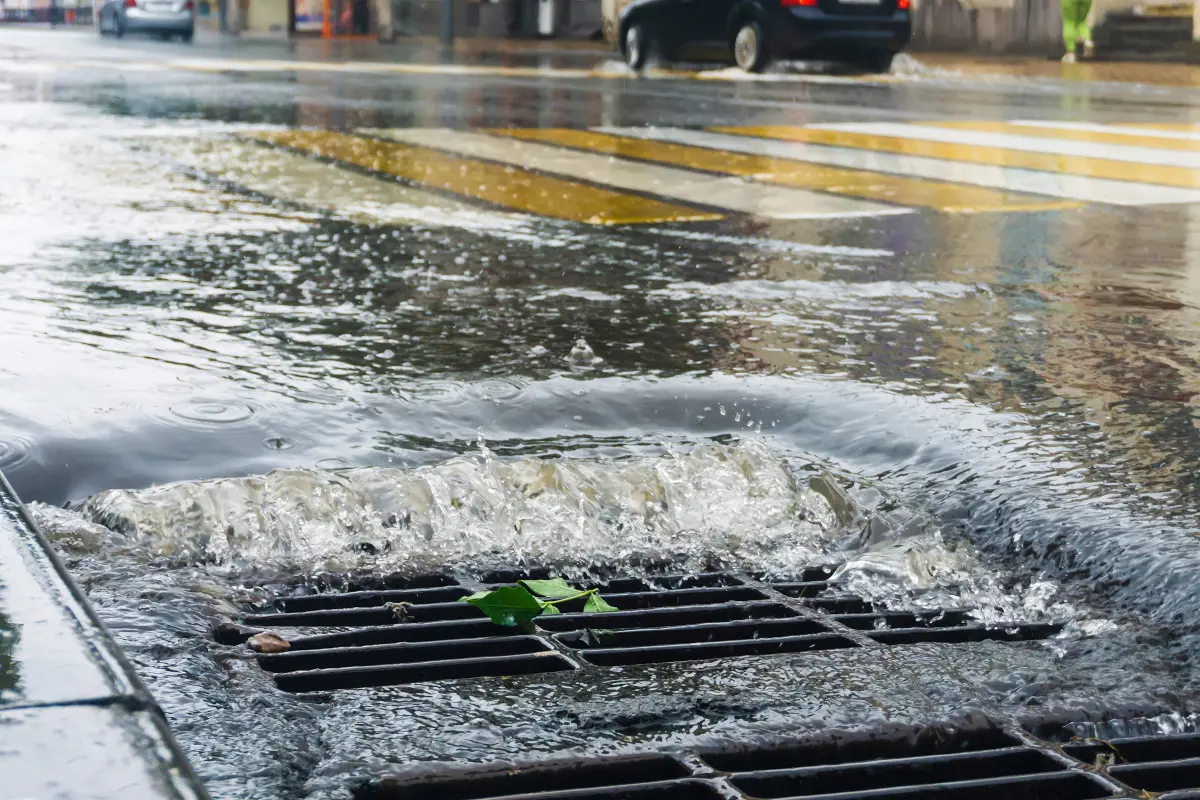
These particles, known as TRWP, are created when tyres wear down on road surfaces during normal driving. They are carried into drainage systems through rainwater and road runoff. Scientists say they are a growing area of concern because they may eventually enter rivers and other natural waterways.
Tire Industry Project says the study will provide the first real world measurement of how much of these particles can be removed in a full wastewater treatment cycle. Until now, most research has been limited to laboratory testing, with little data from operational treatment plants.
The study will collect samples at different stages of the treatment process throughout 2026. Advanced testing methods such as pyrolysis gas chromatography mass spectrometry will be used to measure particle levels and track how they change during treatment.
Researchers will then estimate how effective each stage of the system is at removing tyre wear particles. The final results are expected to be reviewed by independent scientists before publication in a peer reviewed journal in early 2027.
Experts involved in the project say the work is important because it moves environmental research from controlled lab conditions into real world systems. They believe this will help identify practical methods to reduce pollution from road traffic.
The Tire Industry Project says the study is part of a wider plan to test several pollution reduction methods identified in earlier research. These include approaches that focus on prevention, capture, and removal of tyre wear particles before they reach the environment.
Greater Paris Sanitation Authority said the research will help improve understanding of how solid waste behaves during treatment. Officials said the findings could support future planning and help prepare for possible environmental regulations.
The wastewater plant in Valenton plays a key role in managing water from the Paris region. It treats both household wastewater and storm runoff, making it an important location for studying urban pollution systems under real conditions.
Environmental scientists say tyre wear particles are increasingly being studied across Europe and other regions. As road traffic increases, so does the amount of micro debris produced from tyres and asphalt surfaces.
The project also highlights growing cooperation between industry groups and public authorities in tackling environmental pollution. Researchers say this kind of partnership is essential for developing science based solutions that can be applied in cities worldwide.
Experts involved in the study say results could help guide future wastewater treatment design. If systems are found to be effective at capturing these particles, it could influence upgrades and policy decisions in the coming years.
The study marks an important step in understanding how modern infrastructure can respond to emerging forms of pollution linked to transport and urban growth.
