


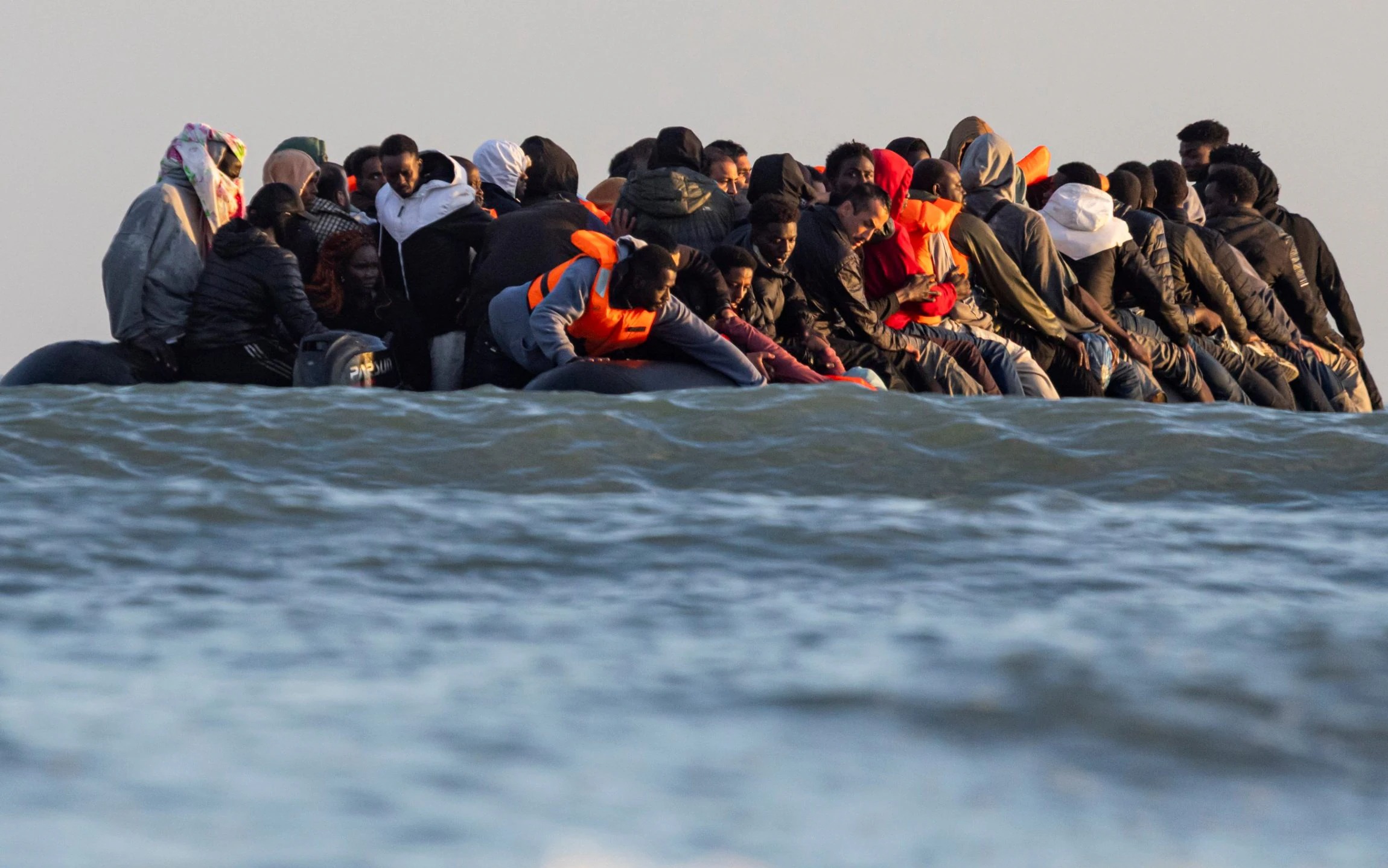
France has decided to end its migration exchange agreement with Britain, bringing the pilot “one in, one out” arrangement toward its scheduled end on October 1. The decision was reported on September 30, 2026, after French authorities confirmed that discussions with Britain were focused on the terms of ending the programme. The agreement had been introduced in July 2025 as an attempt to reduce irregular Channel crossings through a controlled system for returning some migrants to France while accepting asylum seekers through a legal route.
The arrangement was designed around a direct exchange. Under the system, Britain could return one person to France after an irregular Channel crossing while accepting an asylum seeker from France through a legal route. The idea was to create a mechanism that could discourage people from attempting dangerous journeys across the English Channel while providing another legal route for selected asylum seekers.
The programme has faced criticism over its results and cost. According to reporting on September 30, around 67,000 people had attempted to cross the Channel in small boats since 2025, while only about 1,400 returns had been carried out under the exchange arrangement. The cost of each return was also reported as high, adding to questions about whether the programme had produced the results expected when it was introduced.
The decision is particularly important because Britain had wanted the arrangement to continue. Prime Minister Andy Burnham raised the issue during his September discussions with French President Emmanuel Macron in London. The British government had argued that continuing cooperation could help both countries manage irregular migration across the Channel.
France, however, has decided that the pilot should come to an end. The French Interior Ministry said that Paris and London were discussing how to exit the agreement. The decision does not mean that France and Britain will stop cooperating on migration completely. Both countries remain affected by irregular Channel crossings and are expected to continue discussing border security and people-smuggling networks.
The Channel remains one of Europe’s busiest migration routes. People attempting to reach Britain from northern France often use small boats that can become overcrowded and unsafe. British and French authorities have increased patrols and cooperation in recent years, but crossings have continued despite those efforts.
The end of the agreement also comes during a period of political change in Britain. Burnham, who became prime minister earlier this year, has been discussing Britain’s relationship with European countries on several fronts. Migration is one of the most sensitive issues in that relationship because Britain is outside the European Union and no longer has the same migration arrangements that existed before Brexit.
For France, the decision reflects its assessment of the pilot programme rather than a complete withdrawal from cooperation with Britain. The two governments still share an interest in preventing dangerous crossings and disrupting smuggling networks. Ending the exchange mechanism means that officials will need to consider other ways to manage people arriving by small boats.
The French government has not suggested that the Channel migration problem has disappeared. Instead, the focus is likely to move toward other measures, including policing, international cooperation and discussions about legal migration routes. Britain will also have to consider how the end of the agreement affects its own efforts to return people who arrive irregularly.
The timing is important because the agreement was due to expire on October 1. The September 30 decision therefore comes immediately before the planned end date. It provides a clear indication that Paris does not intend to extend the current pilot in its existing form.
The next stage will depend on discussions between the two governments. Britain may seek another arrangement, while France may want a different framework with stronger conditions. Any new agreement would need to address the concerns that developed during the pilot.
For people following migration policy, September 30 marks an important change in the France-Britain relationship. The “one in, one out” system is coming to an end, but the wider challenge of Channel crossings remains. Both governments will still face pressure to reduce dangerous journeys while maintaining cooperation across the border.
