


Paris Fashion Week offers more than runway shows and famous faces. Behind the scenes, private events, fashion displays and street style shape the week. For a young fashion journalist, these moments can open doors to a new world.
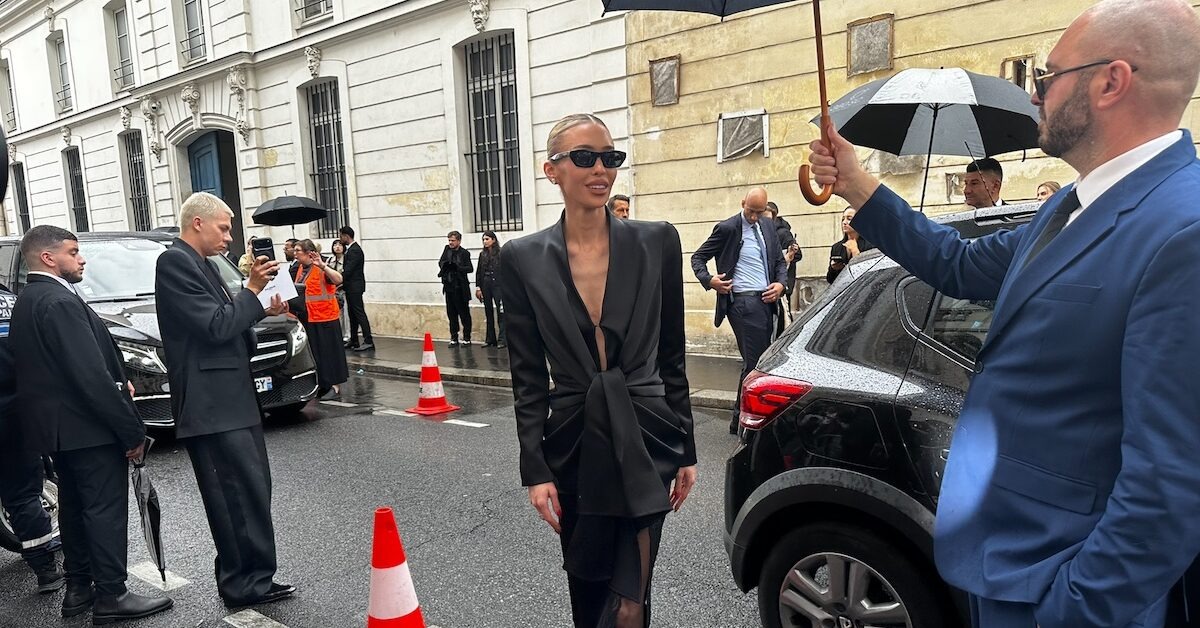
On September 30, 2026, a fashion journalist stood outside the Balmain show in Paris. The scene felt much like the same day one year earlier. Fans waited behind barriers, cameras flashed, and celebrities arrived in a rush of attention.
Yet, this time, the experience was very different. The journalist had spent the past year building contacts, attending events and working to grow in the fashion world. That work had led to new chances during one of the biggest events on the fashion calendar.
The first visit to a luxury fashion show had been from the street. The journalist could only watch from outside. The crowd, the photographers and the stars created a sense of a world just out of reach.
Fans and fashion lovers gathered to see who would arrive. Some wore bold outfits that drew as much attention as the guests inside. The street became a show of its own, with people posing for cameras and watching every new arrival.
A year later, the same scene brought a new view of the industry. The journalist could still see the crowds outside, but had also gained access to parts of Fashion Week that once seemed distant.
Over the year, hard work and new contacts helped open doors. The journalist attended events and met people across the fashion industry. These steps led to chances to see what happens beyond the public view of the shows.
Paris Fashion Week is known for its major runway events. Designers present new collections, while stars, buyers, editors and other guests fill the front rows. But the runway is only one part of the wider event.
Private events at leading fashion houses offer another view. These gatherings bring together people from across the industry. They can help journalists meet designers, publicists, stylists and other people who shape fashion news.
Presentations and showrooms also play a key role. They give guests a closer look at new designs and the ideas behind them. Unlike a large runway show, these settings may allow more time to study the clothes and speak with people involved in the work.
Post-show re-sees offer another chance to view collections up close. Guests can return to the pieces after a show and study details that may be hard to see from a seat in the audience. This can help journalists gain a better sense of the design, craft and ideas behind each look.
Street style remains a major part of the week. Outside venues, guests and fans use fashion to express their own tastes. Some outfits are simple, while others are bold and highly planned. Photographers often gather around these crowds, turning the streets into an open stage.
For those watching from outside, the focus may be on famous guests and the rush of cameras. For people with access, the week can include meetings, private events and close looks at new collections. Both views matter, but they show different sides of the same industry.
The experience also shows how much work goes into building a career in fashion journalism. Access does not always come at once. It can grow through time, strong work, useful contacts and a clear interest in the field.
For a journalist, Fashion Week is not just a chance to watch a show. It is also a place to learn how brands present their work, how trends take shape and how people across the industry connect.
The return to the street outside Balmain on September 30 marked more than a date on the fashion calendar. It offered a way to measure a year of change. The crowds and cameras were much the same, but the journalist’s place in the fashion world had shifted.
The experience showed that much of Paris Fashion Week happens beyond the runway. From private gatherings to showrooms and street style, each part offers a different view of fashion. For those trying to build a career in the field, the work between shows can matter just as much as the collections themselves.
