


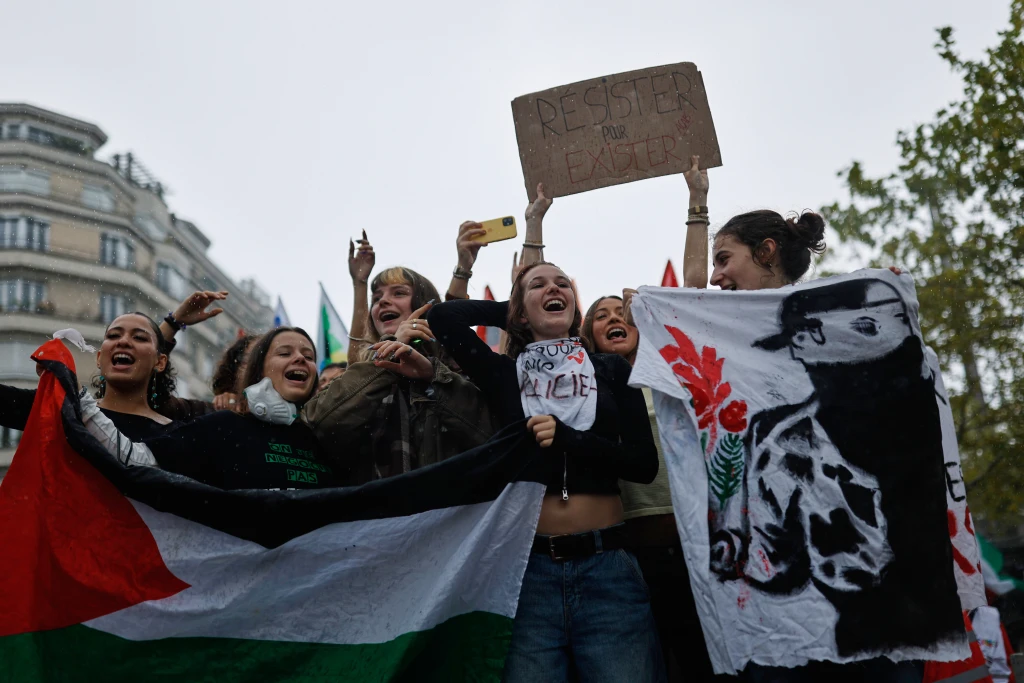
Protesters gathered across France on October 17 to demand action on rising living costs and worsening conditions in schools. The demonstrations brought together students, workers and people who wanted to revive the Yellow Vest movement. The protests showed how concerns about household budgets and public services continue to shape the country’s political debate.
High school students have been demonstrating for several weeks over education conditions. Their complaints include concerns about school resources and the way young people are treated during protests. Some student groups called on workers and other citizens to join them, turning a campaign focused on schools into a wider protest over social and economic problems.
The CGT, one of France’s major labour unions, supported the mobilisation. It called for higher wages and pensions, lower prices and the protection of public services. Many households have struggled with the cost of daily needs, while workers have argued that pay has not kept up with the pressure on family budgets. The protests brought these concerns into the streets.
President Emmanuel Macron called for calm and respect for people and property. He said the right to protest must be protected, but warned against violence and destruction. Interior Minister Laurent Nuñez said authorities expected hundreds of protest actions and more than 80 marches across the country. Police also restricted some gatherings and closed several metro stations in Paris.
The protests carry political weight because France is approaching another period of intense national debate. Demonstrations can influence public opinion and put pressure on leaders to respond, especially when several groups share similar concerns. However, violence or damage could also weaken public support for the movement.
The size of the protests and the response from authorities will help determine what happens next. For demonstrators, the central demand is that leaders take everyday problems seriously. Their calls for better schools, fair pay and affordable living costs reflect a wider question about how the country should protect people facing economic pressure.
