


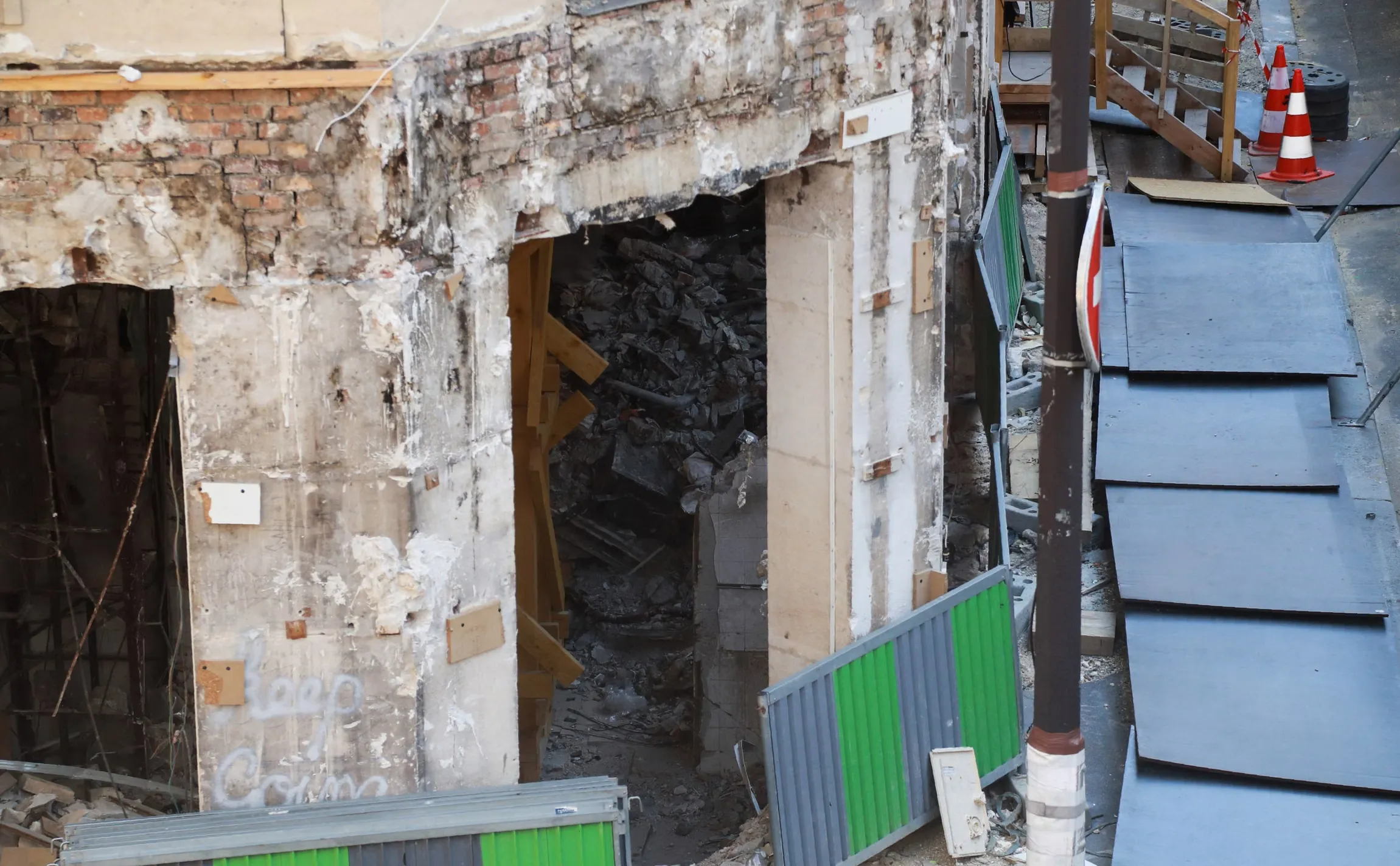
A court in Paris is hearing competing expert views as it seeks to establish what caused the deadly Rue de Trévise explosion in January 2019. The blast killed four people and left more than 200 others injured or affected. The case has become a complex legal process because experts have offered different explanations for the events that led to the disaster.
The hearings have focused on how water entered the ground near a building at 6 Rue de Trévise. Investigators believe that the water weakened the soil, which may have caused the ground to sink. A buried gas pipe then broke, leading to the explosion. However, experts still disagree about where the water came from.
Some specialists believe that a blocked gutter at a nearby building may have allowed rainwater to collect and seep into the ground. Others have questioned whether water could have travelled through the building’s foundations in the way suggested by earlier theories. These different views have made it difficult for the court to identify one clear cause.
The condition of the gas pipe has also become an important issue. One expert pointed to serious corrosion in the pipe and argued that its weakened state may have contributed to the break. According to this view, the ground movement and the pipe’s condition may have combined to cause the disaster.
The City of Paris and the building’s property management body are facing charges linked to the deaths, injuries and destruction caused by the explosion. The court must examine the evidence before deciding where responsibility lies.
The hearings show how difficult it can be to establish the cause of a major urban disaster years after it happened. Further testimony may help the judges understand the technical evidence and decide which explanations are supported by the facts.
