


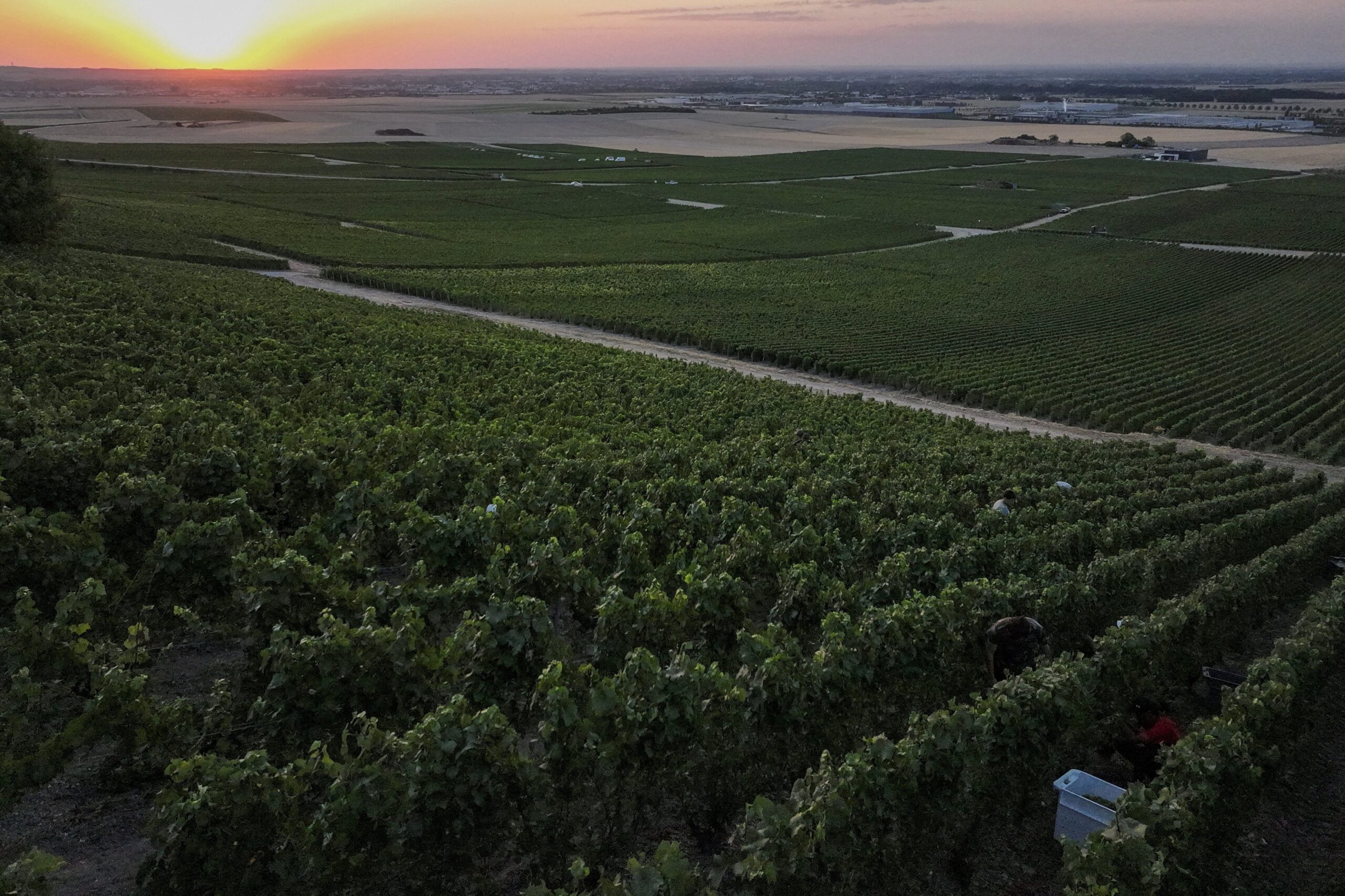
In the famous region of northeast France, farm workers gathered among green vines at dawn to begin cutting white grapes. This work marked the second day of the fastest start to picking season since local history tracking began in the early twentieth century.
Extremely high temperatures and severe dry weather across big parts of Europe are testing the strength of the national wine industry. Warming weather causes fruit to ripen much faster than usual. Fast growth creates fruit with very high sugar levels. This shift makes it much harder for local bottle makers to protect the classic crisp taste that people expect.
The main regional wine committee monitors fruit growth every year to choose official work dates. This summer, the governing body moved the official start date up to mid-August. That decision set the start date more than one week earlier than the previous year.
Local family business owners report that traditional summer routines have completely changed. Many small farm owners produce tens of thousands of glass bottles every single year. Workers must now rush into the fields during peak heat instead of enjoying traditional summer breaks.
Dozens of seasonal helpers move quickly along steep land rows every morning. Sweating workers must finish heavy physical labor before the hot sun reaches its peak. Older farm owners remember when grape gathering took place much later in the autumn season.
Decades ago, picking started after children returned to primary schools. Harvesting traditionally happened in late September or early October when air temperatures remained cool. Older farmers admit they never expected to gather summer crops before the middle of August.
Similar hot weather patterns are causing early work dates across other parts of Southern Europe. Farm teams in Spain and nearby countries are also cutting fruit early to save their crops. Many regional owners fear losing money because intense heat damages fruit quality and lowers total crop volume.
Extreme summer heat presents a major challenge for historic wine producers. The industry must also adapt to changing drink choices among younger buyers worldwide. Winemakers are searching for new ways to keep their classic drinks fresh as planetary conditions continue to shift.
Managing early growth requires farms to hire seasonal help on short notice. Crews must gather millions of fragile grapes before extreme heat damages the skin of the fruit. Leaving crops on the vine too long can ruin entire fields.
Recent weather changes force growers to change their daily farming methods. Some farmers try pruning techniques that shade the growing fruit from strong sunlight. Others test different soil management methods to retain water during long dry spells.
High sugar levels in fruit can raise the final liquid strength beyond normal targets. Winemakers carefully balance crop mixes to maintain light and fresh flavors. Preserving acidity is vital for producing high quality bottled products that can age well.
As global temperatures keep rising, early harvesting will likely become a common event across European farmlands. Winemakers must continue to adapt their field practices to protect their famous heritage. The future of traditional farming depends on how quickly local teams adapt to rapid environmental changes.
