


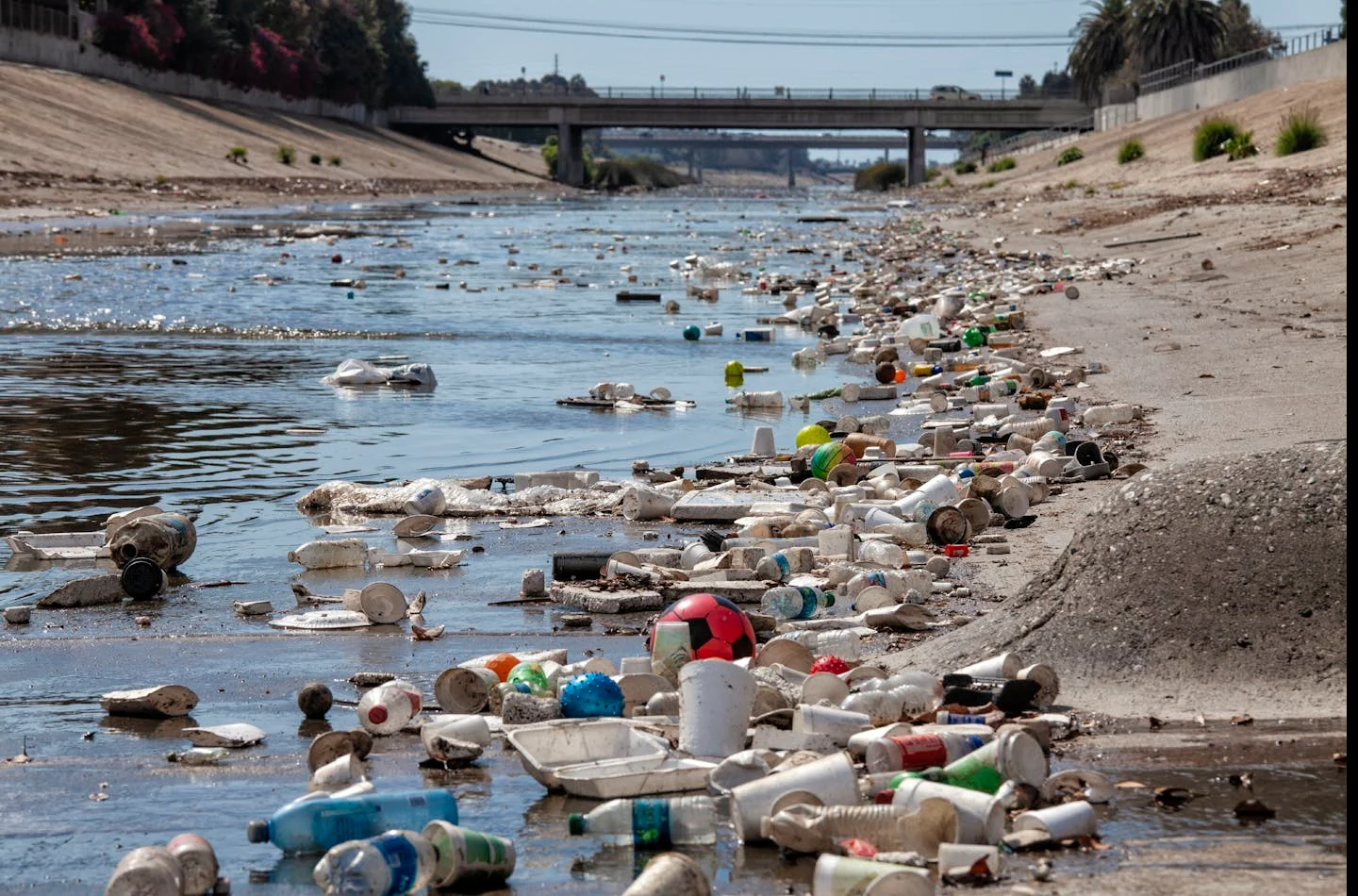
US Plastic Reduction Policies are showing early results across several states as new rules and incentives reduce single-use plastic waste. Early reports show measurable declines in plastic bags, straws, and packaging waste in areas where policies have been introduced. Officials say the progress is a sign that behavior change is starting to take hold.
State governments have introduced a mix of bans, fees, and incentives to reduce plastic use. Many stores now charge extra for single-use plastic bags. Some cities have banned plastic straws and foam containers. These steps are encouraging people to switch to reusable alternatives.
US Plastic Reduction Policies are also supported by public awareness campaigns. These campaigns encourage people to use reusable bags, bottles, and containers. Schools and community groups are also helping spread awareness about plastic pollution.
Experts say early data shows a clear drop in plastic waste in participating regions. Waste management facilities report lower volumes of single-use plastics entering landfills. Recycling systems are also becoming more efficient in some areas.
Environmental researchers say plastic pollution is a long-term problem. Plastics can take hundreds of years to break down. Reducing their use at the source is seen as the most effective solution.
Many coastal states are leading the way in plastic reduction efforts. These areas are more affected by ocean pollution and marine waste. Reducing plastic use helps protect marine life and coastal ecosystems.
US Plastic Reduction Policies are also encouraging innovation in packaging. Companies are developing biodegradable and compostable materials. Some businesses are redesigning products to reduce packaging waste.
Retailers are adjusting quickly to new rules. Many stores now offer reusable bag discounts or incentives. This helps customers switch to sustainable options.
However, experts say challenges still remain. Some communities face resistance to change. Others lack access to affordable reusable alternatives. Enforcement of policies can also vary by region.
Despite these challenges, early results are encouraging. Waste audits show reductions in plastic litter in streets, parks, and waterways. This is improving local environments and public spaces.
US Plastic Reduction Policies also support broader climate goals. Plastic production and disposal contribute to greenhouse gas emissions. Reducing plastic use helps lower overall environmental impact.
Recycling systems are also being improved alongside reduction policies. Better sorting and collection systems are helping recover more materials. However, experts say recycling alone is not enough without reducing usage.
Public behavior is slowly changing as policies take effect. More people are carrying reusable items in daily life. Businesses are also adapting to meet customer expectations for sustainable options.
Schools are playing an important role in education. Students are learning about waste reduction and environmental protection. This helps build long-term awareness among younger generations.
Some states are expanding policies further after early success. New regulations are being considered for packaging and food containers. This shows growing momentum for plastic reduction efforts.
Experts say data collection will be important in measuring long-term success. Tracking waste levels helps policymakers adjust strategies.
US Plastic Reduction Policies are also influencing corporate practices. Companies are investing in sustainable packaging and supply chain changes. This is helping reduce plastic use at a larger scale.
Environmental groups say continued support is needed to maintain progress. Stronger policies and public participation are both important.
Early results suggest that coordinated efforts can reduce plastic waste significantly. While the transition is still ongoing, many states are seeing clear environmental benefits.
