


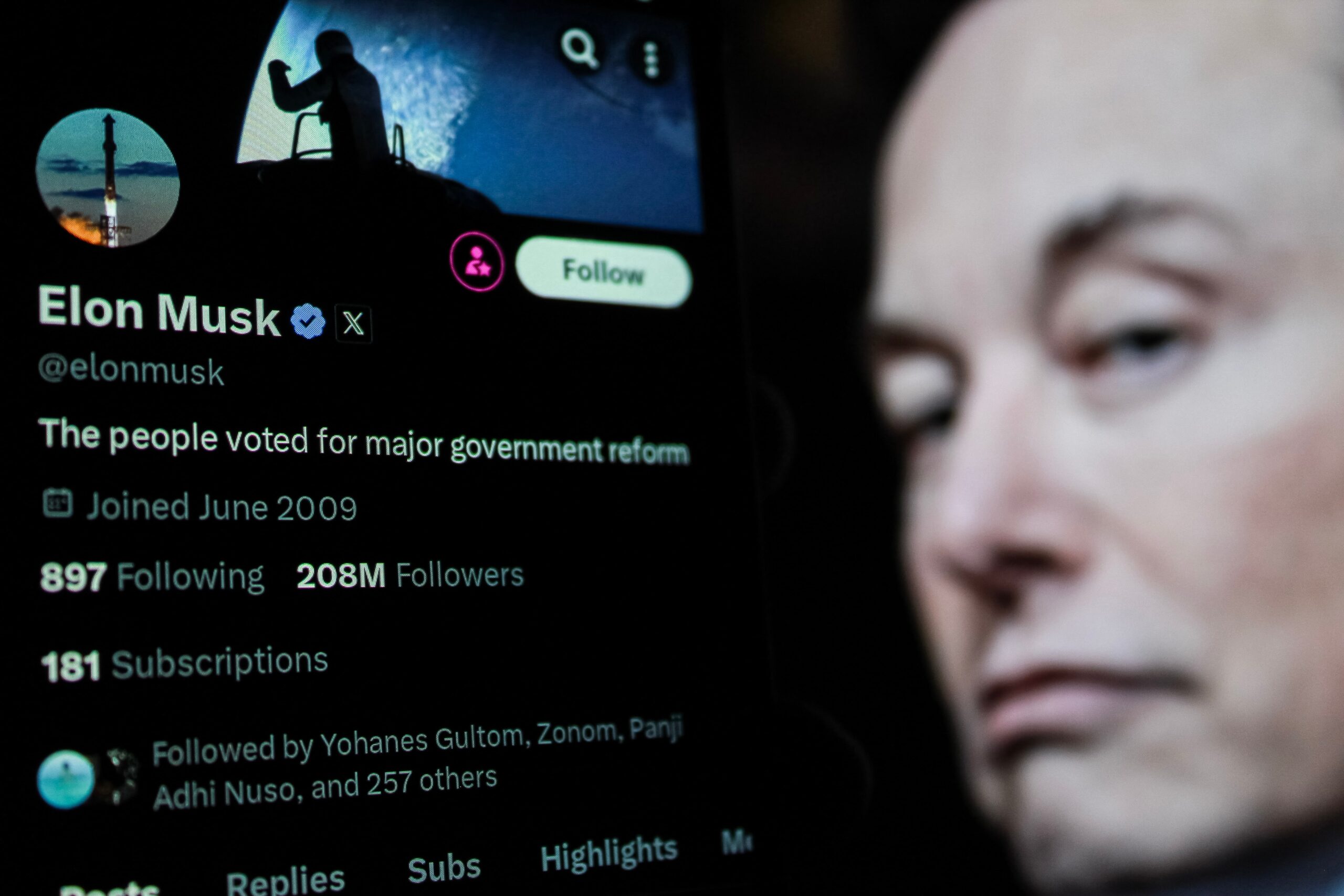
An Indian court has rejected a case brought by Elon Musk’s platform X. The company argued that a government portal gave officials unchecked powers to censor online content.
A single judge of the Karnataka High Court ruled that X’s petition against the Sahyog portal was “without merit”. The full judgement has not yet been published.
X has not yet confirmed whether it will appeal.
Second major loss in court
This decision marks the second courtroom defeat for X in India in just over two years. The platform had earlier failed to overturn government content blocking powers. Digital rights experts warn that the ruling could deepen restrictions on free speech.
X has around 25 million users in India. Technology policy researcher Prateek Waghre described the judgement as “worrisome”. He said it legitimised government agencies sending direct takedown orders to companies. He added that the complete impact would only be clear once the court’s reasoning is made public.
X’s lawyers declined to comment. India’s home and information technology ministries have not issued statements.
Dispute over the Sahyog portal
The case, filed in March, targeted Sahyog, a portal managed by the federal home ministry. The tool automates takedown requests sent to intermediaries such as X and Facebook.
Google, Amazon and Meta agreed to join Sahyog after its launch last year. X refused. In its petition, it described Sahyog as a “censorship portal”. The company argued that it bypassed safeguards requiring hearings and reviews.
X claimed the system allowed “countless” officials, including thousands of police officers, to order removals without oversight. In July, one of its lawyers said the system let “every Tom, Dick, and Harry officer” issue takedowns. Government lawyers objected to the phrasing.
Failure to comply with such orders within 36 hours can cost platforms their safe harbour protections. Without these, companies can be held liable for user content.
Government insists regulation is needed
The Indian government defended Sahyog as essential for tackling the surge of harmful online content. Officials said the portal only informed intermediaries about unlawful material and did not directly block posts.
On Wednesday, the Karnataka judge dismissed X’s challenge. He argued that social media could not remain in “a state of anarchic freedom”. He called regulation necessary and described Sahyog as a “public good”.
The judge also noted that X follows takedown rules in the United States. He questioned why the company refused to do so in India.
Global laws shape the debate
The court cited the Take It Down Act, passed in the US earlier this year. The law criminalises sharing intimate images without consent and requires their removal within 48 hours. X has publicly backed the law.
When X filed its petition, digital rights experts said Sahyog had already led to “a wholesale increase in censorship”. Court documents revealed agencies had ordered removals of a wide range of content. This included videos of a deadly crowd crush in Delhi and posts said to damage the reputation of senior politicians.
A long-running confrontation
X remains the only major platform challenging India’s content blocking framework. Many legal experts describe the system as opaque and arbitrary.
In 2022, before Elon Musk acquired X, the platform contested several takedown orders. The following year, the Karnataka High Court ruled against X and fined it 5 million rupees for delayed compliance.
That appeal is still unresolved. With this latest setback, X faces another major hurdle in its fight over free speech in India.
