


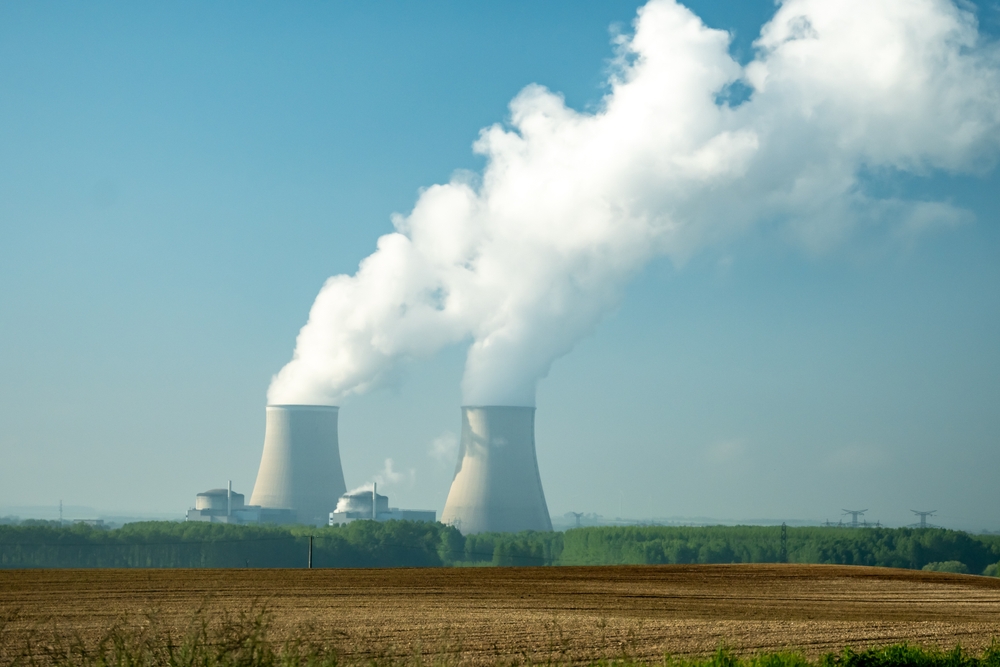
Expanding Dukovany and Temelín Reactors
Czechia plans to generate up to 60 percent of electricity from nuclear energy by 2050. Workers are building two new reactors at Dukovany, where eight giant cooling towers already dominate the site. Mobile drilling rigs dig 140 meters underground to confirm geological safety for the $19 billion project. Officials expect this expansion to at least double the country’s nuclear output and solidify its place among Europe’s most nuclear-dependent nations.
South Korea’s KHNP won the tender over France’s EDF to construct the new plant. Each reactor will generate more than 1,000 megawatts and start operations in the late 2030s. They will complement Dukovany’s four 512-MW reactors built in the 1980s. The KHNP deal allows Czechia to add two more reactors at Temelín, which already operates two 1,000-MW units. Authorities also plan to deploy small modular reactors afterward.
Petr Závodský, CEO of the Dukovany project, said, “Nuclear will produce 50 to 60 percent of Czechia’s electricity by 2050.” He emphasized the expansion will reduce fossil fuel use, stabilize energy costs, meet low-emission targets, and satisfy growing electricity demand for electric vehicles and data centers.
Nuclear Gains Momentum Across Europe
Rising energy demand and climate deadlines are reviving nuclear interest worldwide. Nuclear power avoids greenhouse gas emissions, although it produces radioactive waste.
The EU now classifies nuclear energy as environmentally sustainable, enabling new financing opportunities. This designation supports Czechia, Slovakia, Hungary, and France, all heavily reliant on atomic energy. Belgium and Sweden reversed nuclear phase-outs, while Denmark and Italy reconsider their plans. Poland signed a deal with Westinghouse to build three new reactors, joining 12 EU countries favoring nuclear.
In 2024, nuclear energy produced 24 percent of the EU’s electricity. Britain partnered with the United States to advance nuclear development, including a £14.2 billion investment in the Sizewell C plant, its first new reactor since 1995. CEZ, with 70 percent government ownership, and Rolls-Royce SMR plan to develop small modular reactors in Czechia.
Costs, Controversies, and Geopolitical Concerns
Czechia estimates Dukovany’s expansion cost at €16 billion. The government will acquire an 80 percent stake, secure a 30-year loan, and guarantee stable revenue for 40 years. Officials expect EU approval to support climate neutrality by 2050.
Závodský noted, “We currently produce 40 percent electricity from nuclear and another 40 percent from coal. We must replace coal by 2033.” Financing delays previously stalled expansion; CEZ canceled a 2014 Temelín tender after lacking government guarantees.
Czech authorities excluded Russia’s Rosatom and China’s CNG from the tender for security reasons. CEZ signed fuel supply contracts with Westinghouse and France’s Framatome, securing a 10-year supply and ending dependence on Russia.
Despite public support, critics voice concern. Friends of the Earth say nuclear costs outweigh benefits, and Czechia lacks permanent spent fuel storage. Dukovany and Temelín sit near Austria, which abandoned nuclear power after Chernobyl. Austria opposed Czech small modular reactor plans, with its Parliament rejecting them.
Historical disputes over Temelín previously caused political crises and blocked border crossings, reflecting lingering regional tensions over Czechia’s nuclear ambitions.
