


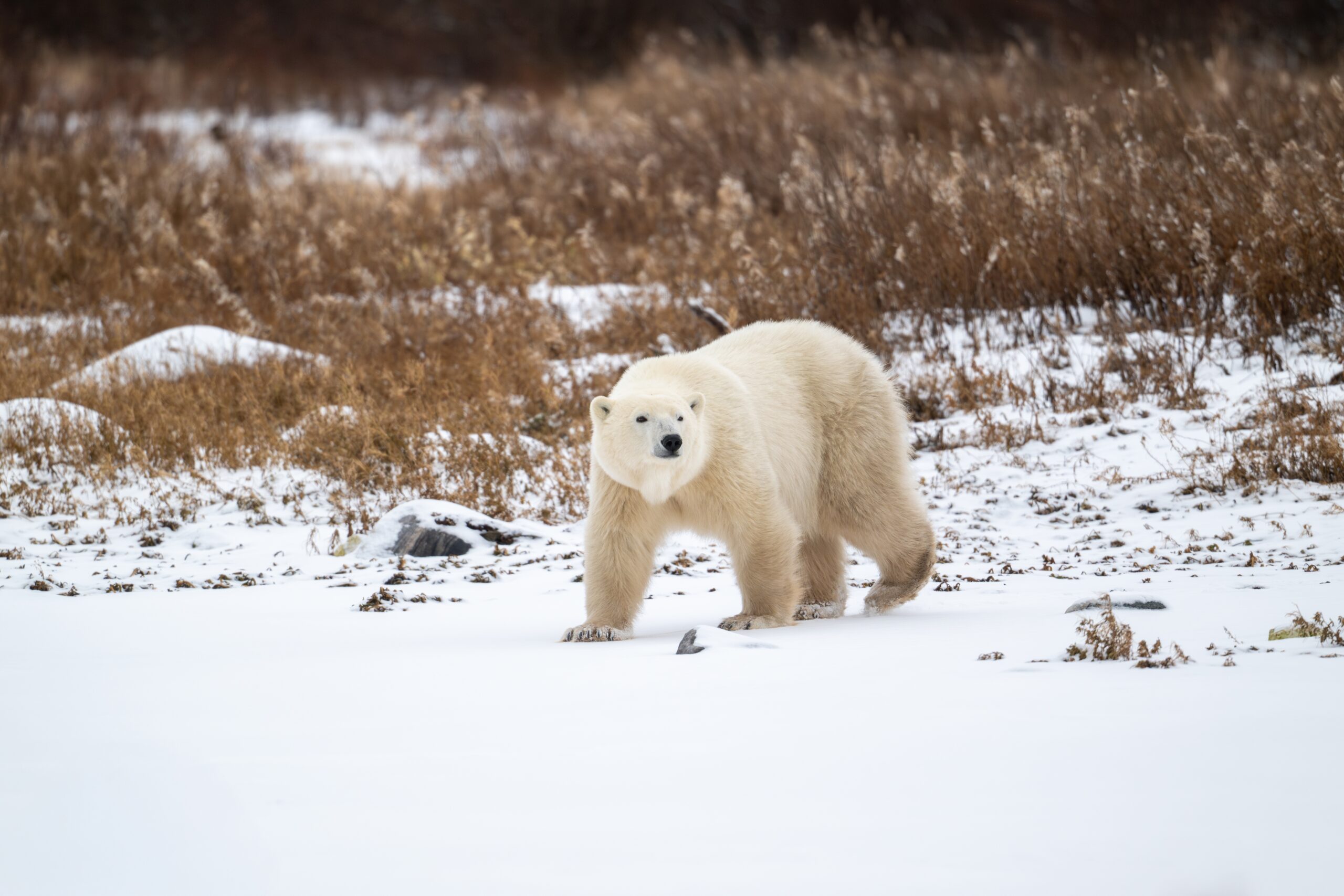
Scientists have identified genetic changes in polar bears that could help them adapt to rising temperatures, offering new insight into how the species may respond to climate change.
Researchers from the University of East Anglia found that polar bears in south-east Greenland show distinct genetic activity compared with bears in colder northern regions. The study links warmer local temperatures to increased activity in so-called “jumping genes” — mobile DNA elements that can influence how other genes function.
These genetic shifts are associated with heat stress, metabolism and ageing, suggesting the bears may be biologically adjusting to warmer conditions and changing diets. Southern bears rely less on fatty seals and more on varied food sources, and their DNA appears to be adapting accordingly.
Published in the journal Mobile DNA, the research is believed to be the first to show a statistically significant connection between climate change and DNA changes in a wild mammal. While the findings offer some hope for polar bears’ ability to adapt, scientists warn that reducing global carbon emissions remains essential, as most polar bear populations remain at serious risk from ongoing ice loss and warming.
