


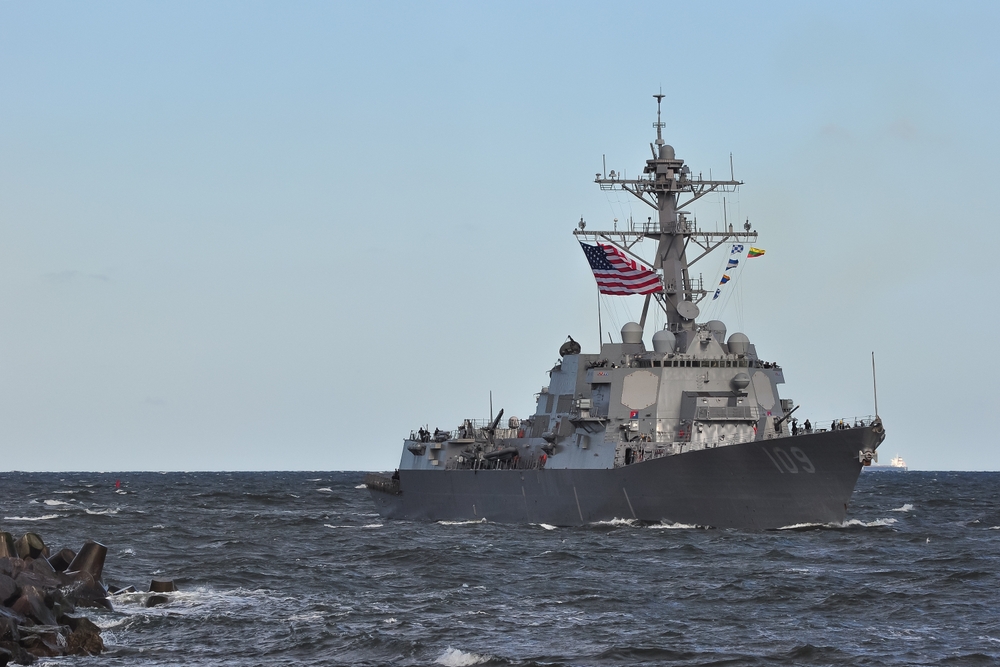
The United States has carried out airstrikes against militants linked to the Islamic State in northwestern Nigeria, targeting groups accused of attacking civilians. President Donald Trump described the operations as “powerful and deadly” and said the militants were primarily responsible for harming innocent Christians.
Trump’s announcement highlights growing US involvement in Nigeria’s fight against extremist groups, which have long strained the country’s military and security forces.
Strengthening Local Forces
Nigeria’s military faces persistent challenges in combating extremist groups, often operating in remote areas with limited government presence. These regions, affected by poverty and unemployment, have become fertile ground for recruitment by armed groups.
The US strikes aim to support Nigerian forces, providing intelligence and firepower that local troops often lack. In addition to air operations, Nigeria has increased recruitment in its security forces, though the military continues to operate under significant strain.
International Cooperation
Nigeria’s foreign ministry said the airstrikes were part of structured cooperation with international partners, including the United States. Officials emphasized that these operations target specific militant strongholds in the northwest.
President Bola Ahmed Tinubu underlined Nigeria’s commitment to religious tolerance, stressing that security challenges affect communities of all faiths. The US has previously labeled Nigeria a “Country of Particular Concern” due to threats against religious minorities.
A Persistent Security Challenge
Extremist groups like Boko Haram and the Islamic State West Africa Province (ISWAP) have caused decades of violence in Nigeria, killing thousands and displacing millions. Analysts note that victims include both Muslims and Christians, illustrating the broad impact of the conflict.
In the northwest, the Islamic State’s Sahel Province, locally known as Lakurawa, has also been active, though authorities have not confirmed which group was targeted in the latest strikes.
Experts warn that military action alone cannot end the crisis. Nigeria’s Defence Minister, Christopher Musa, has stated that combat operations address only a fraction of the problem, with long-term solutions depending on governance, economic development, and addressing social inequalities that fuel militancy.
