


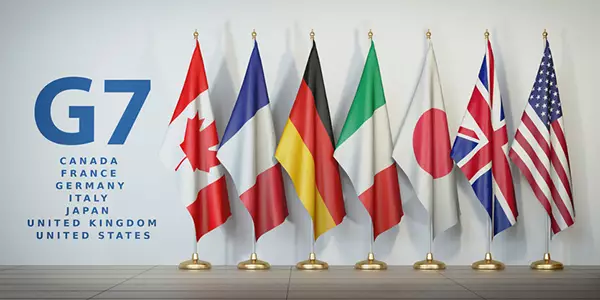
G7 climate agenda decision has sparked debate after France chose to remove climate change from the official agenda of the G7 environment ministers’ meeting in Paris. The move was confirmed by France’s Minister for Ecological Transition, Monique Barbut, and is aimed at avoiding political conflict with the United States.
The meeting is part of ongoing international talks between major industrial nations. France is currently hosting the summit and leading discussions on environmental cooperation. However, officials decided to adjust the agenda to reduce tensions and keep all members engaged.
According to French officials, the G7 climate agenda decision was made to maintain unity within the group. Climate policy has often been a source of disagreement between member countries, especially between European nations and the United States.
One key concern is the differing political positions on climate change. The United States, under President Donald Trump’s leadership, has been seen as more skeptical of climate policies compared to other G7 members. French officials said this difference could have created a direct confrontation during the meeting.
Instead of risking a breakdown in discussions, France chose what it called a “pragmatic approach.” This meant focusing on areas where agreement was more likely.
Monique Barbut explained that removing climate change from the formal agenda was a strategic decision. She said it allowed ministers to continue discussions in a more stable and cooperative environment.
The G7 climate agenda decision shifted attention to other environmental topics. These include biodiversity protection, ocean conservation, and water resource management. Officials said these issues had stronger common ground among participating countries.
Water security and ocean health were highlighted as key areas where cooperation could still move forward. Ministers discussed ways to improve international funding for these projects. France is pushing for stronger global support for environmental protection, even without a formal climate framework in this meeting.
The decision reflects a broader challenge facing international environmental diplomacy. While scientific concern about climate change continues to grow, political disagreements among major economies remain strong.
France, as the current chair of the G7 environment process, is trying to balance these pressures. Officials say the goal is to avoid blocking progress on all environmental issues due to disagreement on one topic.
Supporters of the approach say it helps keep diplomatic channels open. They argue that cooperation on smaller environmental issues can still lead to meaningful progress, even if climate change is not formally discussed.
Critics, however, say the G7 climate agenda decision sends a weak message. They believe excluding climate change from the agenda reduces urgency at a time when global warming and extreme weather events are increasing.
Environmental groups have long pushed for stronger commitments from the G7 nations. They argue that the group plays a major role in global emissions and should lead on climate action rather than avoid it.
Despite the controversy, French officials insist the decision is temporary and strategic. They say climate discussions have not been abandoned but are being handled through other channels.
The broader goal, according to France, is to preserve international cooperation while avoiding diplomatic breakdowns. Officials believe that without agreement among all members, even limited environmental progress could be at risk.
The G7 climate agenda decision also highlights the growing difficulty of aligning global environmental policy with national political interests. Each member country has different economic pressures, energy needs, and political priorities.
As a result, environmental consensus remains fragile. The future of cooperation within the G7 will likely depend on how well members can balance scientific urgency with political reality.
For now, France continues to promote cooperation in areas where agreement is possible. Whether this approach strengthens or weakens global climate efforts remains a key question ahead of future G7 meetings.
