


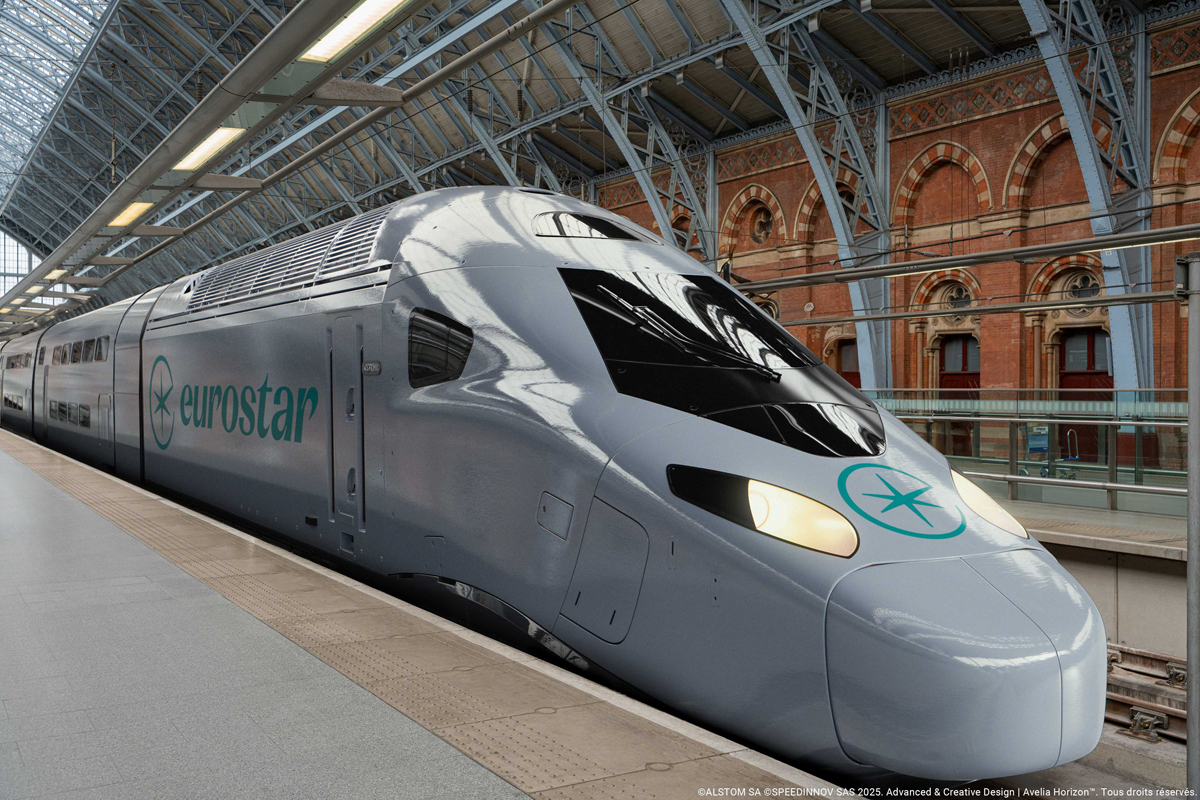
Rail travel between London and Paris is entering a new phase as Eurostar rail competition begins to intensify for the first time in decades. New operators are preparing to enter the Channel Tunnel market, ending Eurostar’s long-standing monopoly on passenger services between the UK and mainland Europe.
Eurostar has been the only passenger train operator through the Channel Tunnel since it opened in 1993. But that is now changing as private investors and national rail companies move to launch rival services on one of Europe’s busiest international rail routes.
In recent months, up to seven companies have shown interest in competing with Eurostar. Several of them have sought access to key maintenance facilities in London, especially the Temple Mills International depot, which is currently used by Eurostar for servicing its trains.
The UK rail regulator, the Office of Rail and Road, recently ruled that Virgin Group’s new company, VTE Holdings, was the strongest candidate among three applicants for access to the depot. This decision gives Virgin the right to use the facility for routine maintenance, although major repairs will need to be carried out elsewhere.
Virgin is now planning to launch its London–Paris high-speed service by around 2030. The company intends to order 12 high-speed Avelia Stream trains from French manufacturer Alstom. It has also secured early-stage financial backing from European infrastructure investors. However, industry experts say the timeline is ambitious due to long manufacturing and approval processes.
At the same time, Italian state rail operator Trenitalia is moving forward with its own international expansion plans. The company aims to start a Paris–London service as early as 2029, potentially beating Virgin to market. Trenitalia already operates high-speed services in France under its Trenitalia France subsidiary and has carried millions of passengers since entering the French market in 2022.
Trenitalia’s parent company, FS Italiane Group, has partnered with investment firm Certares to expand high-speed rail across Europe. Their plans include increasing service frequency on the Paris–Lyon route and building a new maintenance facility near Paris Gare de Lyon. The project is expected to be completed by the end of 2029 and will support a fleet of up to 25 trains.
To support its expansion, Trenitalia has ordered additional ETR1000 Frecciarossa trains from Hitachi Rail. The new trains will be delivered over the next several years and will operate across Italy, France, Spain, and planned international routes.
Eurostar, however, is not standing still. The company is preparing a major fleet upgrade to defend its dominant position. It has ordered 30 new Avelia Horizon “Celestia” trains from Alstom, with an option for 20 more. These new trains will gradually replace older models that have been in service since the 1990s.
Eurostar also plans to expand its network beyond France and the UK. New routes to Germany and Switzerland are under development, in partnership with national rail operators. These expansions are part of a broader strategy to strengthen its position before new competitors enter the market.
Industry experts say the rise of competition could reshape European high-speed rail. More operators may lead to better service frequency and lower ticket prices. However, there are also concerns about whether the London–Paris route can support multiple competing companies at the same time, especially given the high costs of operations and infrastructure access.
Similar competition in other European rail markets has shown mixed results. While passengers benefit from more choice, operators have struggled to maintain profits under heavy competition.
Eurostar has already rebounded strongly after the COVID-19 pandemic, carrying nearly 12 million passengers in 2025. But it still faces high operating costs and limited direct competition from airlines and road travel rather than rail rivals.
With Virgin and Trenitalia both preparing entry, the Channel Tunnel route is set to become one of Europe’s most competitive transport corridors. While Virgin targets a 2030 launch, Trenitalia is aiming for 2029, setting up a potential head-to-head race for London–Paris passengers.
For travelers, the growing Eurostar rail competition could mean more routes, more seats, and possibly lower fares in the years ahead.
