


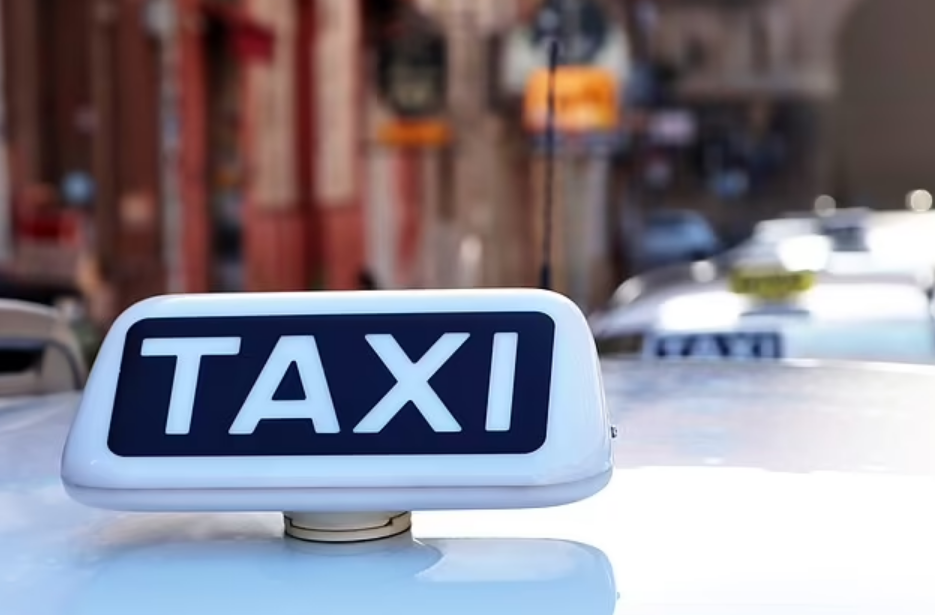
A tourist visiting Paris says he was charged £493 after a short taxi ride and has been left frustrated after his bank refused to refund the money. The incident has raised concerns about card payment scams targeting visitors in major European cities.
The traveller said the journey began outside the Musée d’Orsay and ended near Notre Dame in central Paris. He described it as a short 12-minute ride. The meter initially showed €9.70, or about £8, which appeared to be a normal fare for the distance.
However, the situation changed during payment. The passenger said the driver asked him to pay by card through a reader inside the taxi window. The driver claimed the internet connection was poor and asked the passenger to process the payment from outside the vehicle.
While the passenger was completing the transaction, he alleges the driver secretly changed the amount shown on the card machine. The payment was then approved without further notice. It was only later, after returning to his hotel, that the traveller discovered he had been charged €570, which is about £493.
The passenger immediately contacted his bank, Monzo, to report the issue as fraud. However, the claim was rejected. The bank said there was not enough evidence to prove that the agreed price had been different from the amount charged at the point of payment.
The case highlights a growing concern among travellers about card payment scams involving taxis and other transport services. In many cases, tourists may not receive printed receipts or written fare agreements, making disputes difficult to prove later.
The traveller believes the incident reflects a known scam pattern. He said it relies on customers not having a fixed fare agreement and on limited documentation of the transaction. Similar tactics have been reported in other countries, where card machines are manipulated during payment.
Financial experts say these types of scams are particularly difficult to resolve. Because the transaction is completed in person and authorised by the customer, banks often treat it as a valid payment unless clear evidence of fraud is provided.
In this case, the payment was processed using a Mastercard debit card. Mastercard has recently updated its chargeback rules, allowing disputed transactions to be challenged using bank statements when supporting documents are not available. However, banks still have discretion in deciding whether to pursue a chargeback claim.
Monzo said it was confident in its decision to reject the refund request. The bank stated that it believed a chargeback would not succeed without stronger supporting evidence. It also advised customers to carefully check payment amounts before approving transactions.
Consumer rights specialists say this kind of dispute sits in a grey area between fraud and authorised payment. Once a customer approves a card payment, even if the amount is altered at the last moment, it can be difficult to reverse unless the merchant provides clear records.
The case also highlights broader issues in travel-related payment safety. Tourists are often targeted because they are unfamiliar with local pricing and may be less likely to challenge small on-screen changes during payment. This makes them vulnerable to quick manipulation at the point of sale.
Consumer advocates argue that banks and card networks should strengthen protections for disputed face-to-face transactions. They say current systems are better suited to online fraud or bank transfer scams, rather than in-person card manipulation.
The traveller has questioned why banks cannot recover funds directly from merchants in suspected scam cases. He argues that responsibility should not fall entirely on victims to prove what was agreed verbally.
For now, he says he has accepted that the money is unlikely to be recovered. But he hopes his experience will warn other travellers to be cautious when paying by card in taxis and to insist on clear, visible pricing before authorising any payment.
The incident adds to a growing list of consumer complaints about travel payment fraud, highlighting how even short journeys in major cities can lead to significant financial losses when payment systems are manipulated.
