


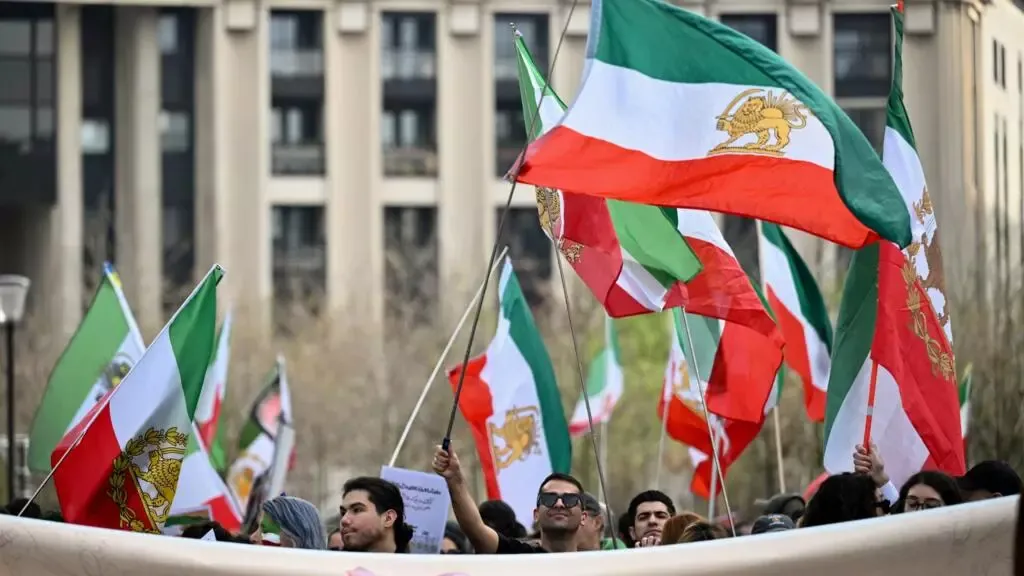
Police in Paris have banned a planned demonstration by an Iranian opposition group, citing security risks linked to what officials described as a tense international situation. The decision has triggered criticism from organisers, who say the move was unjustified and politically influenced.
The rally was planned for Saturday and organised by the National Council of Resistance of Iran, a political group that opposes the Iranian government. The group had called for a large protest in the French capital against a recent rise in executions in Iran. Organisers said they expected tens of thousands of participants.
However, Paris police issued a ban shortly before the event was due to take place. Authorities said there was a serious risk of public disorder, including possible clashes between opposing groups. They also said the planned march route would pass near sensitive public buildings and diplomatic sites, increasing security concerns.
The decision was based on what officials described as a particularly tense international environment. Police warned that demonstrations in such conditions could lead to unrest and disruption in central Paris. The statement highlighted fears of confrontation between activists with opposing political views.
Organisers strongly rejected the ban. They described the decision as sudden and politically motivated. The group, known as the National Council of Resistance of Iran, said the cancellation came after normal working hours and called the reasons given by authorities unfounded.
They also suggested the timing of the decision may be linked to diplomatic discussions between France and Iran. French officials denied any connection between the ban and a reported phone call between foreign ministers.
The French foreign ministry said the decision was taken independently by police authorities. Officials also said the foreign minister did not request the cancellation of the demonstration.
The opposition group has filed an emergency legal challenge in an attempt to overturn the ban. A court decision is expected quickly due to the urgency of the case.
The rally was expected to focus on human rights issues, including what organisers described as a wave of executions in Iran. The group claims that hundreds of people have been executed in recent months, including individuals linked to political protests and opposition movements.
The protest organisers said their campaign also aims to raise international awareness about political repression in Iran. They argue that public demonstrations in European cities are essential for drawing attention to conditions inside the country.
The group has previously organised large rallies in Paris without major incidents. However, French authorities have occasionally increased security measures due to concerns about rival political factions and potential clashes among diaspora groups.
The National Council of Resistance of Iran is closely linked to the People’s Mujahedin of Iran, also known as the People’s Mujahedin of Iran. The group is banned in Iran and considered a terrorist organisation by the Iranian government, though it remains active in exile communities.
Supporters of the ban argue that authorities must prioritize public safety in a period of heightened geopolitical tension. France has recently faced increased security challenges linked to international conflicts and protests involving Middle Eastern issues.
Security officials said the planned march route raised additional concerns because it passed near diplomatic buildings. They warned that such locations can become flashpoints during politically sensitive demonstrations.
Human rights organisations have reported a rise in executions in Iran during recent months. Some reports suggest that dozens of people have been executed since the escalation of regional tensions, including individuals accused of links to banned political or ethnic groups.
The situation has drawn criticism from international rights groups, which have called for restraint and transparency in judicial proceedings in Iran. However, Iranian authorities maintain that their actions are based on national security and legal enforcement.
The ban in Paris highlights ongoing tensions in Europe over how to manage political protests linked to foreign conflicts. Governments face pressure to protect freedom of expression while also ensuring public safety in volatile international conditions.
A court ruling on the emergency appeal could determine whether the protest goes ahead in another form or remains prohibited. For now, the decision has intensified debate over political freedoms, security policy, and diplomatic sensitivity in France.
