


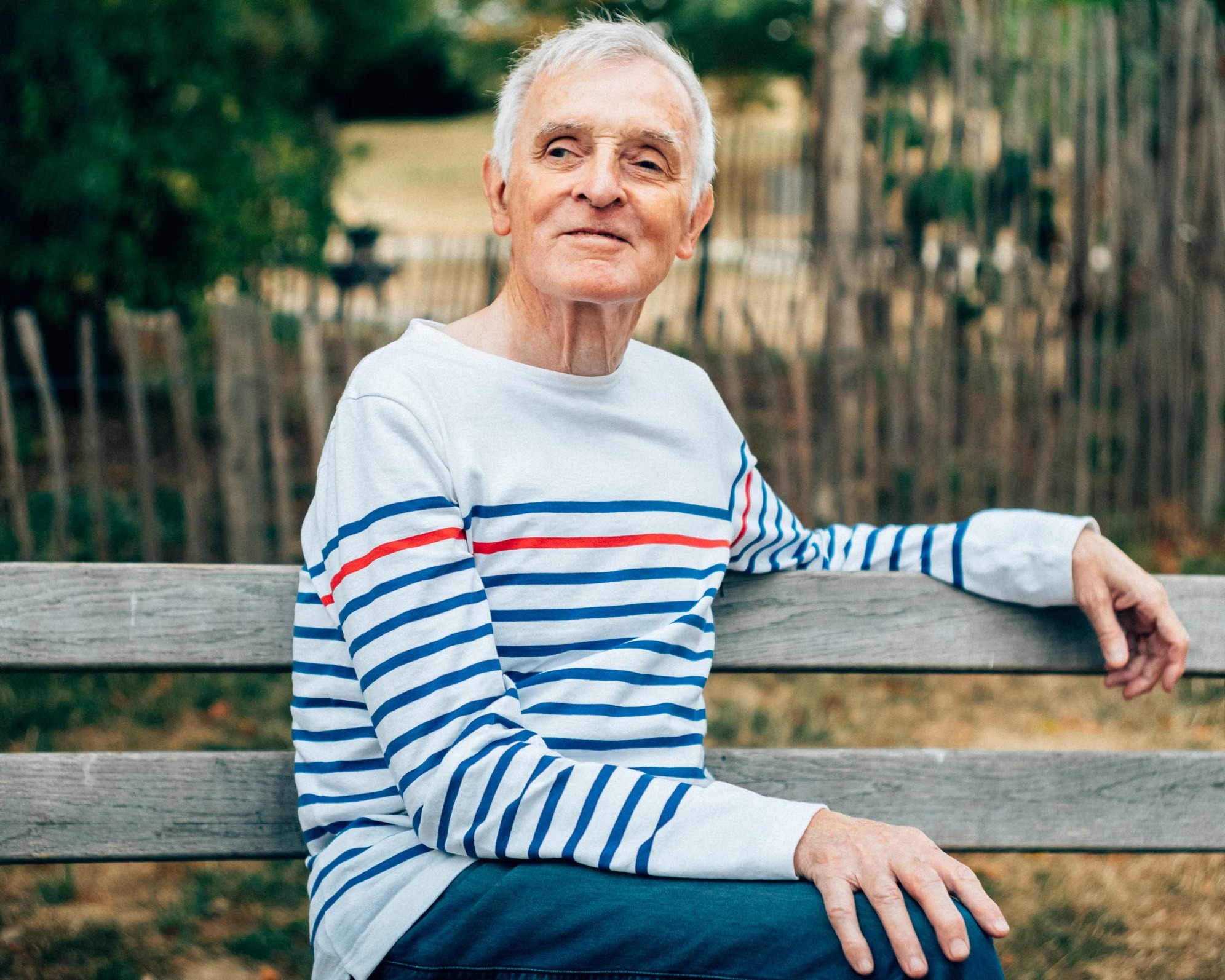
Veteran climate scientist Jean Jouzel has warned that France’s political leaders are failing to fully recognize the scale of the climate crisis, urging presidential candidates to place global warming at the center of their policies ahead of the country’s next election.
Jouzel, a paleoclimatologist and former vice president of the scientific panel of the Intergovernmental Panel on Climate Change, said the extreme weather experienced across France and other parts of the Northern Hemisphere this summer reflects decades of scientific predictions.
Speaking about the recent heatwaves, Jouzel said the conditions observed in 2026 closely match what climate researchers have been forecasting since the 1990s. According to him, scientists have repeatedly warned that heatwaves would become more frequent, more intense, start earlier, and last longer as global temperatures continue to rise.
While he was not surprised by the broader trend, Jouzel said some events still exceeded his expectations. He pointed to temperatures reaching 40 degrees Celsius in Brittany, a region in western France traditionally known for its mild climate.
Reflecting on his childhood, Jouzel noted that temperatures around 30 degrees Celsius were once considered a heatwave in the region. The much higher temperatures recorded this year highlight how significantly climate conditions have changed over recent decades.
The scientist expressed concern that public attention on climate issues may fade once cooler weather returns. He warned that temporary shifts in public focus could make it more difficult to maintain momentum behind policies needed to address long-term environmental challenges.
Jouzel believes political leaders should use recent weather events as evidence of the urgent need for action. He argued that climate policy should not be treated as a secondary issue but rather as a central challenge that will shape the country’s future economy, infrastructure, public health, and environment.
According to Jouzel, many political figures still underestimate the magnitude of the problem. He called on presidential candidates to better understand the scientific reality of climate change and develop policies that reflect the seriousness of the threat.
The scientist emphasized that adaptation and mitigation must work together. Adaptation involves preparing communities, infrastructure, and public services for the impacts of climate change. Mitigation focuses on reducing greenhouse gas emissions to slow future warming.
Jouzel said governments must rethink how society is organized in order to address both goals effectively. He argued that planning for a warmer future requires changes in transportation, housing, energy production, agriculture, and urban development.
He also highlighted concerns about future temperature increases. Climate researchers have warned that global temperatures could continue rising significantly during the second half of the century if emissions are not reduced quickly enough.
Jouzel stressed that even small increases in average global temperatures can have major consequences. He noted that the impacts already visible today have occurred as the world approaches a warming level of approximately 1.5 degrees Celsius above pre-industrial levels.
Scientists have frequently warned that additional warming could bring more severe heatwaves, droughts, flooding, wildfires, and pressure on ecosystems. These risks increase as temperatures continue to rise.
The veteran climatologist said future warming of around 3 degrees Celsius would represent a much greater challenge than current conditions. He warned that societies should not underestimate how dramatically climate impacts could intensify under such scenarios.
Environmental experts have increasingly linked extreme weather events to broader climate trends. Across Europe and other regions, governments are facing growing pressure to improve resilience while accelerating efforts to reduce emissions.
Jouzel’s comments come at a time when climate policy is expected to be a major topic in public debate. Environmental organizations, researchers, and policy experts continue to call for stronger action as countries work toward long-term climate targets.
The France Climate Change Warning delivered by Jean Jouzel serves as a reminder that scientific concerns about global warming remain urgent. As France prepares for its next presidential election, the scientist is urging candidates to recognize the scale of the challenge and place climate action at the forefront of national policy discussions.
