


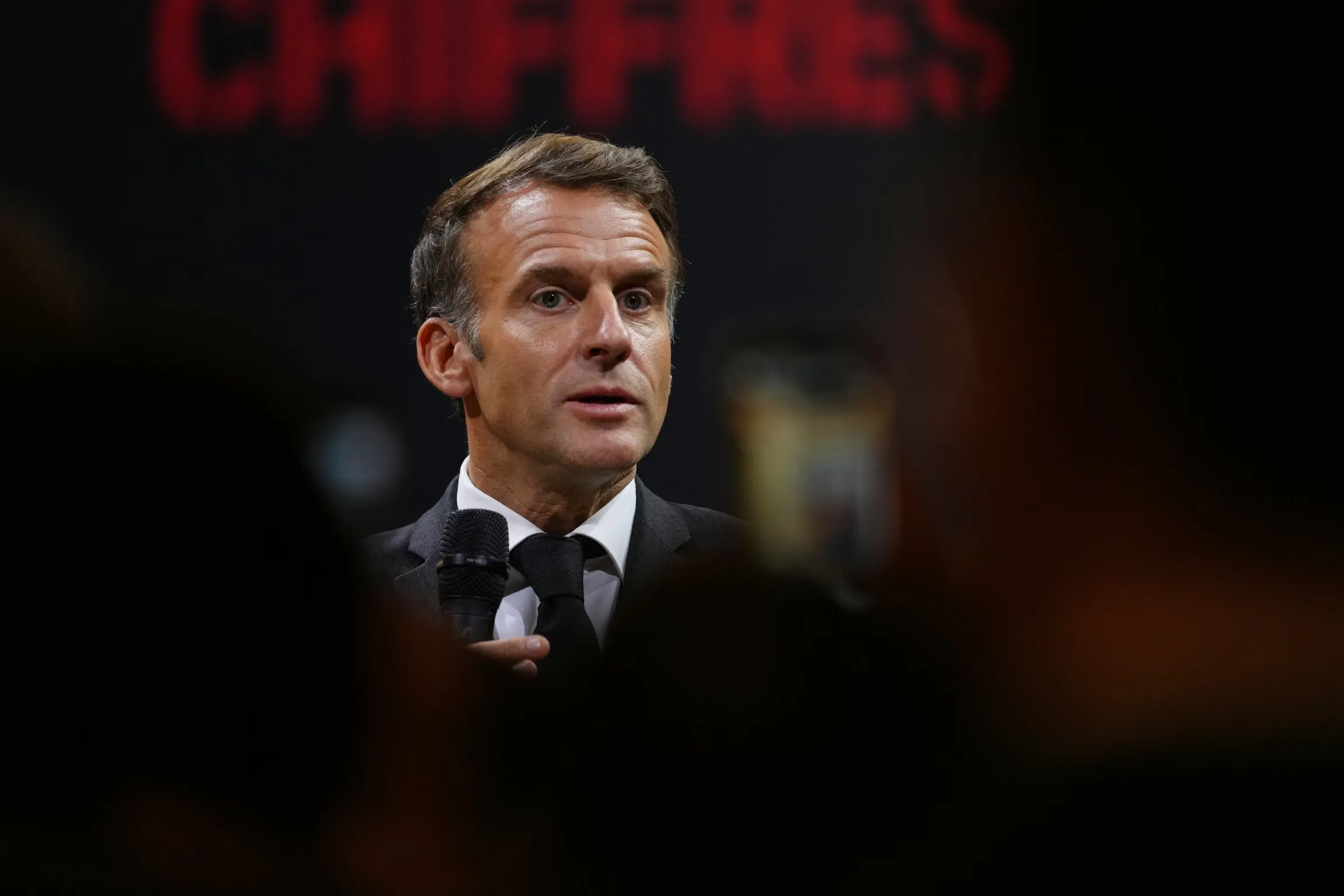
French President Emmanuel Macron is using the latest Choose France summit to highlight major investment projects being developed by French companies across the country. The event, held on Monday, November 23, focuses on €42.5 billion in planned investment involving domestic businesses. It marks a change from the traditional international version of the summit, which was designed to attract foreign investors to France. The government wants to demonstrate that French companies are also willing to expand production, develop technology and create employment at home.
The investment programme includes 273 projects covering different regions and economic sectors. Around 30 percent of the announced investment is expected to receive some form of public support, particularly through the France 2030 programme. Officials say 81 projects are entirely new and represent approximately €14.9 billion in investment. These projects include developments in biofuels, healthcare and beauty products. The government hopes they will strengthen industrial production while supporting the country’s energy and digital transitions.
Two major infrastructure programmes account for a significant share of the announced investment. Airport operator ADP is planning a €9.5 billion programme to improve infrastructure at Paris airports, while electricity transmission company RTE is preparing an €8 billion investment programme. The projects are expected to support transport capacity and the expansion of electricity networks as France moves towards greater electrification. The government has also emphasised smaller projects, arguing that industrial development depends on both major corporations and smaller businesses.
However, the summit is taking place against a difficult economic background. Investment by French non-financial companies has declined for several consecutive quarters since the end of 2025. Businesses are also concerned about additional taxes proposed in the government’s draft budget, weaker consumer spending and higher financing costs. A survey released in November found that 70 percent of small and medium-sized business leaders with planned investments were considering postponing or cancelling their projects. Political uncertainty has added to the lack of confidence among business owners.
Macron has defended his economic record, pointing to factory openings and the recovery of industrial employment since he entered office. He argues that France has made progress in rebuilding its manufacturing base and attracting investment. Nevertheless, the latest figures suggest that announced projects do not automatically guarantee stronger business activity or immediate job creation. The government will need to ensure that investment plans move into construction and production while addressing the concerns affecting companies. The summit is therefore both an attempt to promote economic confidence and a response to growing doubts about France’s industrial outlook.
