


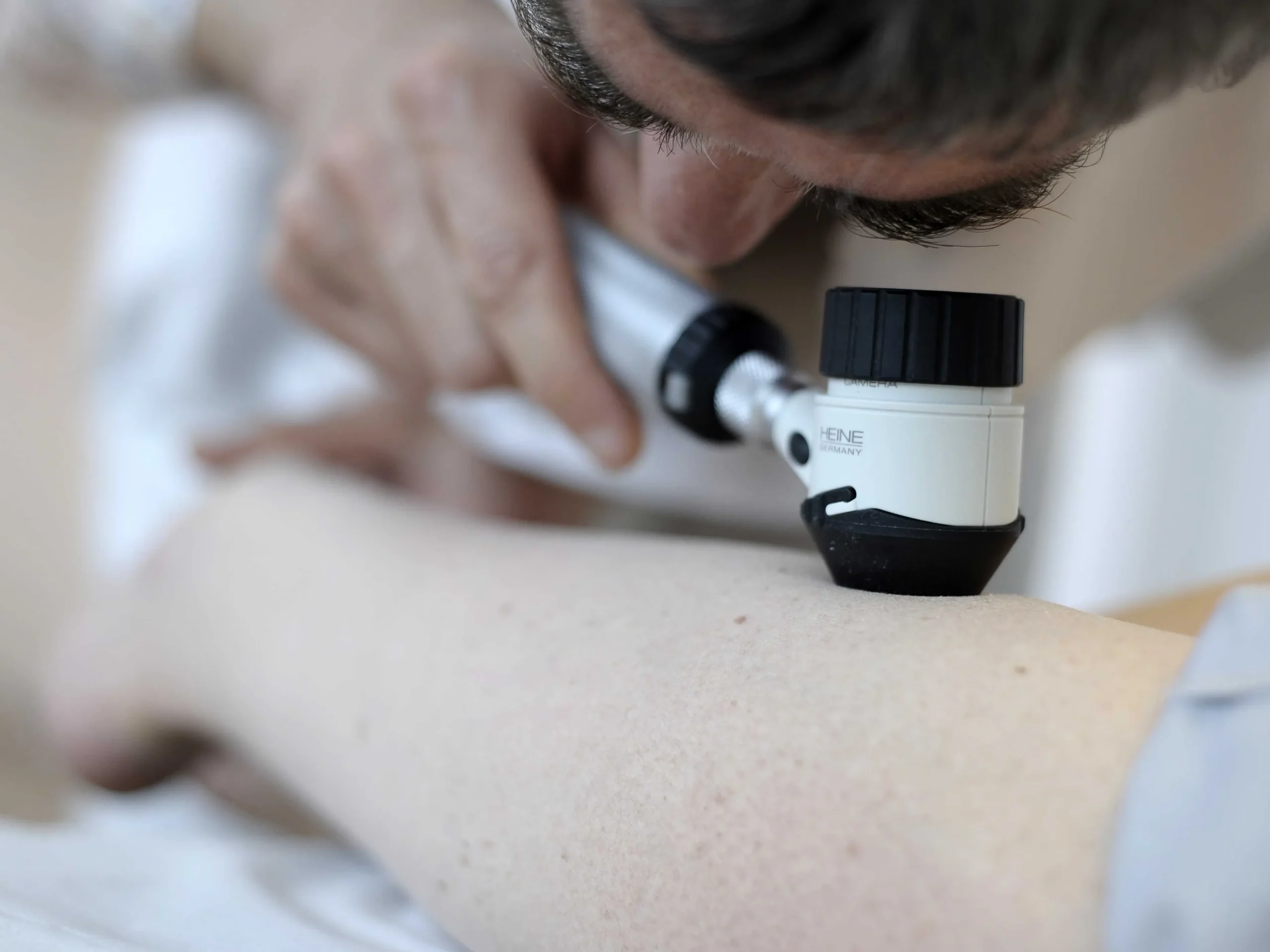
The French government is preparing to limit the amount of time doctors can spend on cosmetic medical procedures. Under the proposed measure, aesthetic treatments would account for no more than 30% of a doctor’s working activity. The policy has drawn attention because patients in many parts of France are struggling to find dermatologists for medical appointments, while cosmetic services can often be booked much sooner.
The shortage is particularly visible in dermatology. Some patients have to wait several months to receive treatment for skin conditions, while appointments for procedures such as Botox injections and laser hair removal may be available much sooner. A comparison made by Le Parisien highlighted this gap, with one patient-facing appointment for a medical dermatology consultation unavailable until July 2027, while a cosmetic treatment slot was available on the same day.
The government believes that limiting cosmetic work could help ensure doctors remain available for essential medical care. The policy is aimed at practitioners who devote a large share of their working time to aesthetic procedures. Officials hope the measure will support better access to specialist treatment, especially for patients who need medical attention rather than optional cosmetic services.
However, the proposal has raised concerns among medical professionals. Dermatologists argue that cosmetic procedures are not the main reason behind the shortage of specialists. The problem is also linked to the long-term effects of limits on medical training places, changes in doctors’ working preferences and a growing number of practitioners choosing salaried or part-time work. Increasing the number of dermatology training positions may help, but it will take time before new specialists enter the workforce.
The debate has also raised questions about how France should manage its wider medical workforce. Better use of supervised telemedicine, artificial intelligence, general practitioners and targeted cancer screening could help patients receive care more quickly. The government now faces the challenge of balancing access to cosmetic services with the need to protect medical appointments. The final impact of the 30% limit will depend on how the rules are applied and whether they lead to more time being made available for patients with medical needs.
