


Meta Description: Glucksmann launches a French presidential bid as the divided left seeks a path to challenge the far right in 2027.
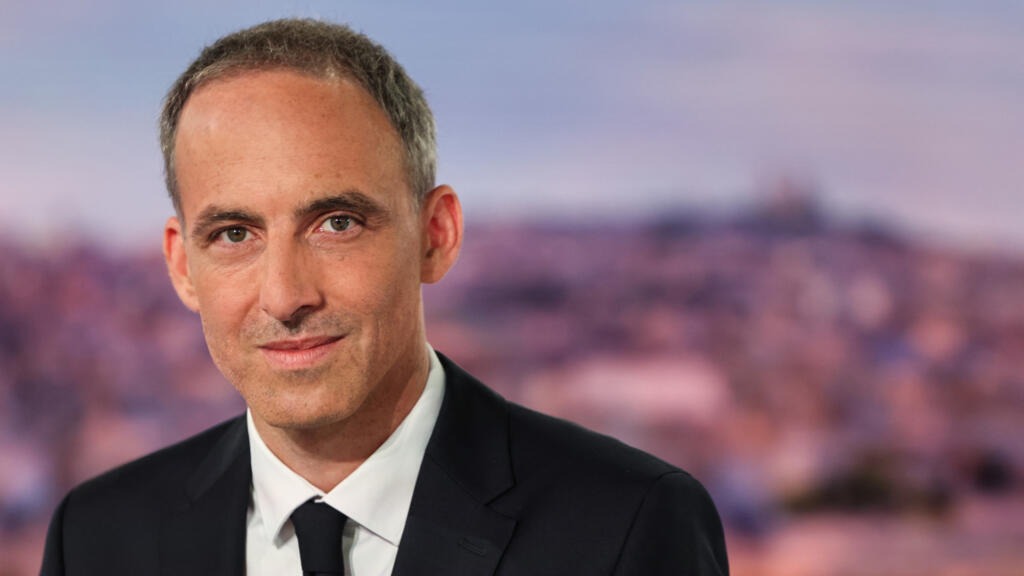
Raphaël Glucksmann has launched his French presidential bid, entering a crowded race as France’s left remains deeply divided. The centre-left politician confirmed his candidacy on Sunday, August 23, saying he could not stay out of the race at a time when the far right is gaining strength.
“Yes, I am a candidate for the presidential election,” Glucksmann said during a television interview. He said the left must offer voters a clear choice and warned against allowing the far right to take power.
The 46-year-old European lawmaker now faces a major challenge. He must build support among moderate left-wing voters while competing with Jean-Luc Mélenchon, the leading figure on the hard left. Other centre-left and left-wing politicians may also enter the race.
Marine Le Pen remains a major force in the 2027 presidential contest. Opinion polls have placed her at or near the top of first-round voting. This has increased pressure on parties in the centre and on the left to find a candidate who can reach the second round and compete with the far right.
Glucksmann hopes to become that candidate. He has presented himself as a pro-European politician who supports Ukraine and liberal democracy. His position differs from Mélenchon on several key issues, including Europe and foreign policy.
Glucksmann also wants to rebuild the French left. He has argued that the left can win if it stays firm on its values. He has also called for an end to fear of Mélenchon’s influence.
His entry comes as French political parties prepare for a long campaign before the presidential election in April and May 2027. The political climate is expected to remain tense, with voters divided over immigration, the economy, Europe, social policy and France’s role in global affairs.
Glucksmann has already gained attention among moderate voters. In the 2024 European Parliament election, he led a mainstream left alliance that won 14 percent of the vote. That result helped raise his profile and gave him a stronger position within the French centre-left.
Still, his path to the presidency is far from clear. Recent polling has shown Mélenchon ahead of Glucksmann among left-wing candidates. Glucksmann also faces competition from figures linked to the Socialist Party and other parts of the French left.
The centre-left politician is expected to take part in a primary process linked to the Socialist Party and his own political movement. The process could give moderate left voters a chance to rally behind one candidate. But disagreements over alliances remain a major problem.
Glucksmann has pushed for a new direction for the left. He has been critical of some of President Emmanuel Macron’s business policies while sharing his support for the European Union and Ukraine. This places Glucksmann between Macron’s political centre and Mélenchon’s harder left.
His personal life has also drawn public attention. Glucksmann is in a relationship with television presenter Léa Salamé. Her role in French public television has raised questions about possible conflicts during the election campaign.
French media have reported that Salamé will step away from her main broadcasting role during the campaign. The move is intended to avoid any concern that her work could affect coverage of Glucksmann or his political rivals.
For Glucksmann, the central task is now political. He must turn public recognition into votes and persuade moderate left-wing groups to work together.
The 2027 election is still months away, but the battle on the left has already begun. Glucksmann’s French presidential bid adds another major name to the contest and could reshape the fight for control of France’s centre-left. Whether he can unite that divided camp may determine how far his campaign can go.
