


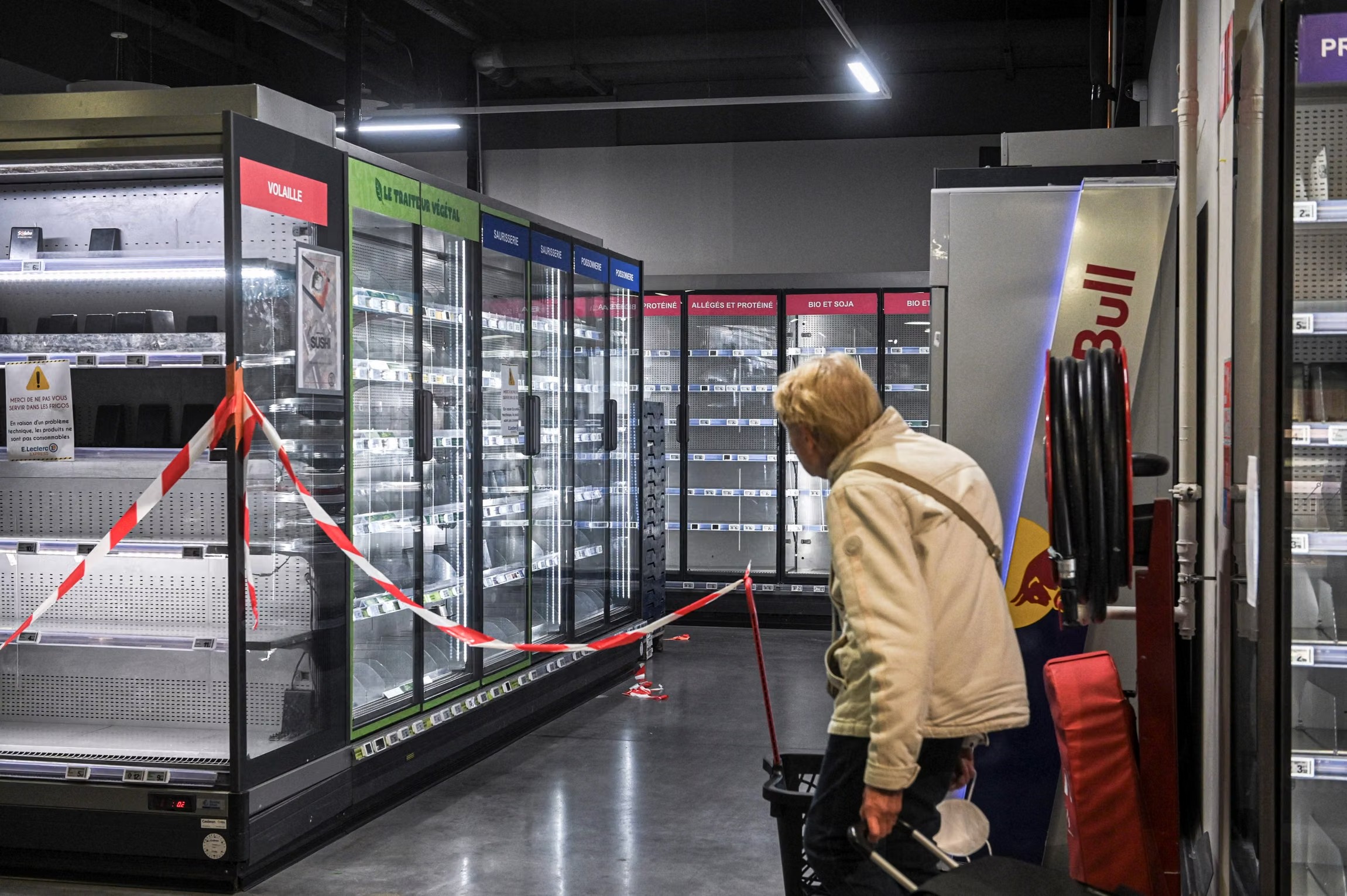
French supermarkets faced serious disruption after a cyberattack affected refrigeration systems at hundreds of stores. The incident, which took place overnight from October 11 to October 12, damaged food supplies and forced some businesses to discard products that could no longer be kept at safe temperatures. The report was published on October 13, 2026, as affected retailers and officials continued dealing with the consequences.
The stores affected included branches of Intermarché and Netto, along with outlets connected to other major French supermarket groups. The incident showed how a technical problem can quickly become a business emergency when essential equipment is connected to digital systems. Refrigeration is critical for keeping meat, dairy products, frozen food and other goods safe for customers. When the equipment fails, stores may have little choice but to remove products from sale.
According to the report, attackers interfered with software controlling refrigeration equipment. Temperatures rose in affected areas, and some defrost cycles were changed in ways that delayed the discovery of the problem. Store workers then faced the difficult task of checking products, removing damaged stock and restoring normal operations. The total financial loss was still being assessed, but the incident was expected to cost businesses significant sums through spoiled food, emergency work and disruption.
The attack also raised concerns about older equipment and delayed software updates. Refrigeration systems may not receive the same public attention as payment terminals or customer databases, yet they are essential to supermarket operations. If connected devices are not updated and protected, attackers may find weaknesses that allow them to disrupt physical services. The incident highlights the need for companies to treat equipment security as part of their wider business planning.
Affected stores reportedly disconnected some systems from their networks as a precaution while investigations continued. Such measures can reduce the risk of further interference, but they may also make operations harder to manage until safe connections are restored. Retailers must balance cybersecurity, food safety and the need to keep shelves stocked for customers.
The case may encourage supermarket groups to review their digital security procedures and the condition of their equipment. Companies can reduce risk by installing updates, restricting remote access, monitoring unusual activity and preparing plans for refrigeration failures. Staff training is also important because workers may be the first to notice unexpected temperature changes or system alerts.
For customers, the immediate concern is whether food remains safe and whether local stores can continue operating normally. For businesses, the wider lesson is that cybersecurity extends beyond computers and customer information. Connected systems that control everyday equipment can also be targets, and protecting them is essential to keeping food supplies safe and commercial operations running.
