


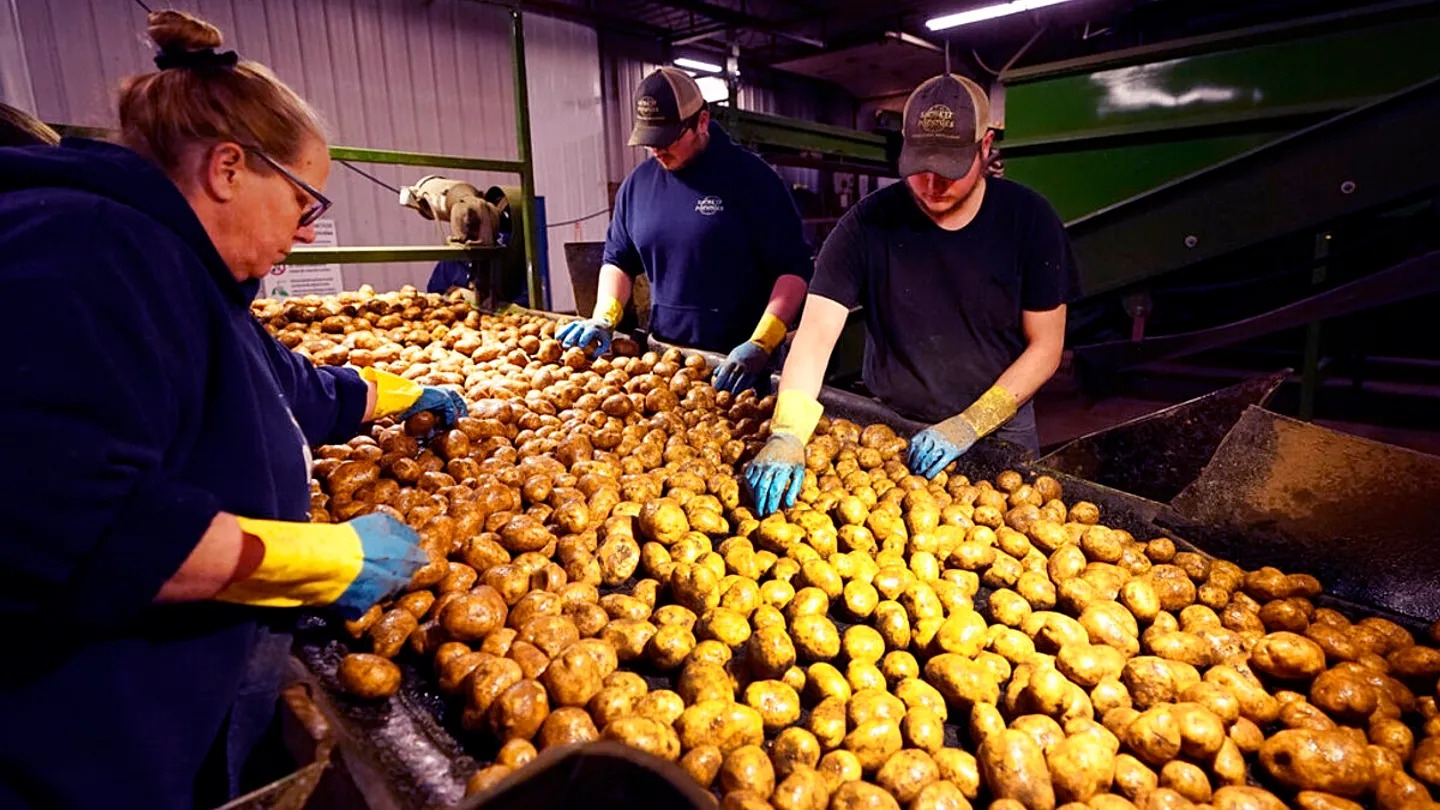
France is facing a sharp fall in its potato harvest after a summer of extreme heat and dry weather. The French potato growers group says output may fall by about 23% in 2026. That could mean nearly two million fewer tonnes of potatoes than last year.
The warning comes as farmers start the new harvest. It also shows how hot and dry weather is now hitting a key part of French food supply. The new estimate is still a forecast. It is not the final harvest result. Yet it gives a clear sign of the pressure on farms.
The group said the average yield may fall to about 34.5 tonnes per hectare. Last year, the figure was just over 43.5 tonnes per hectare. That is a large drop in one year.
The problem began with the weather. France went through several heat waves this summer. Rain was also well below normal in many areas. Soil became very dry. That made it harder for potato plants to grow large and healthy.
Potatoes need steady water during key stages of growth. Too much heat can also hurt the plants. The result can be smaller potatoes and lower yields. Farmers then have less produce to sell, even when fields look full.
The lower crop may also affect food firms and shops. Potatoes are used in many French foods. They are also sold fresh and sent to plants for frozen and processed goods. A smaller crop can tighten supply. It can also put more pressure on prices if demand stays strong.
The 2026 problem is not only about lower yields. French growers also planted less land this year. The planted area fell by about 10% after a very large crop in 2025. This means the weather hit a smaller base of fields.
That mix makes the outlook more serious. Less land and lower yield can cut total output at the same time. Growers will now watch the harvest closely. They will look at the size, quality and weight of potatoes as more fields are dug.
The heat has also caused wider farm losses in France. Corn crops have faced major stress. Fruit and other crops have also felt the impact of dry soil and high heat. The potato warning adds to a growing list of farm problems linked to extreme weather.
For buyers, the impact may not be clear at once. Farm output can change during the harvest. Some firms may have old stocks. Imports may also help fill gaps. Still, a 23% drop would be large enough to matter across the food chain.
The issue is also important for Paris. The capital depends on a wide food network. Potatoes move from farms to markets, shops, restaurants and food plants. Any long period of tight supply can raise costs for firms and families.
Farmers now face a hard task. They must harvest what they can while keeping the crop in good condition. They also need to plan for another season in a warmer climate. Water rules, soil care and crop choice may become more important.
The latest figures do not mean France will lose 23% of its potatoes for sure. The number can change as the harvest moves on. But the warning is clear. Extreme heat and dry soil are putting new pressure on French farms.
Growers also face a cost problem. Water, fuel, labor and storage all add to the final price of food. A weak crop can make each tonne more costly to produce. That can make the gap between farm prices and shop prices wider.
The coming weeks will matter. A cool spell or useful rain cannot undo all the damage, but it may help late crops. Farmers will also compare results across regions. Those results will help set plans for the next planting season.
For France, the potato crop is a simple but strong sign of a wider trend. Climate stress is moving from weather reports into fields, food markets and daily life. The 2026 harvest will show how much damage this summer has caused.
