


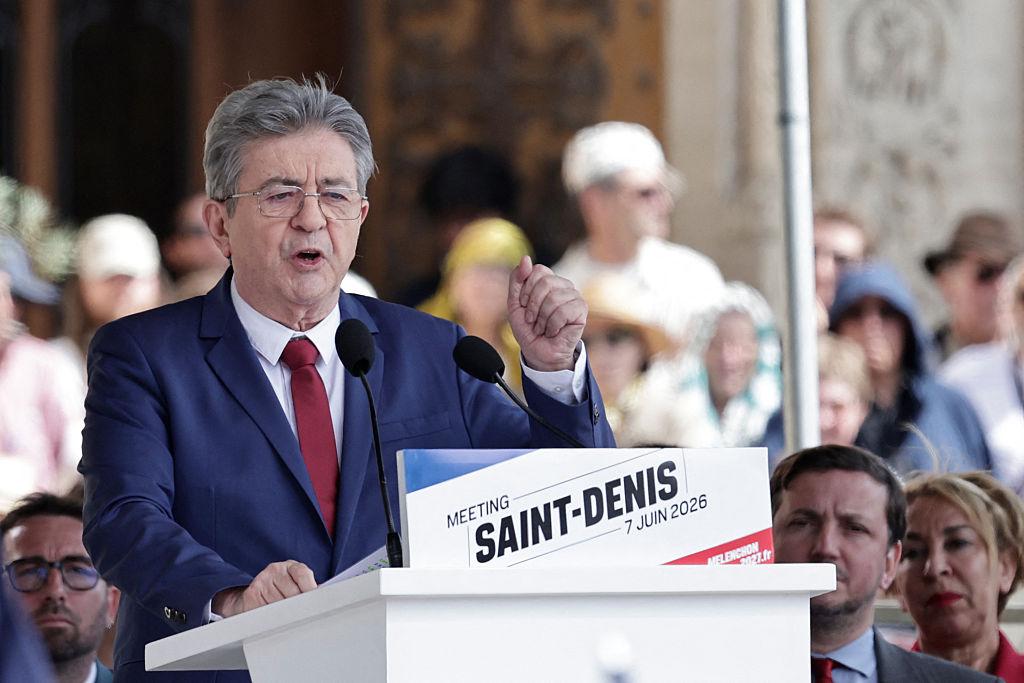
PARIS, August 27, 2026 — France is facing fresh pressure over its public debt as the next presidential race begins to take shape. A new poll has put left-wing leader Jean-Luc Mélenchon in a strong position for the 2027 election. At the same time, his plan to cancel part of France’s public debt has caused a sharp debate over the country’s finances.
The poll is important because it shows a possible shift in the race. Mélenchon could reach the second round against far-right leader Marine Le Pen, according to recent voting data. The result points to a more divided political field as President Emmanuel Macron nears the end of his time in office. Macron cannot seek a third term.
Mélenchon has also placed public spending and debt at the heart of his campaign. He has proposed cancelling debt held by the Bank of France. That debt is equal to about 18 percent of France’s total public debt. He says the move could give the state more room to spend and reduce the debt burden.
The plan has met strong opposition. Government officials say it could harm trust in French public finances. Critics also warn that investors may demand higher returns to buy French government debt. That would raise the cost of borrowing for the state.
France is already under pressure from high debt and a large budget gap. Government data cited in recent reports puts public debt above 116 percent of economic output. The country is also working to keep its 2026 budget deficit close to 5 percent. That is well above the European Union target of 3 percent.
The bond market is adding to the pressure. French 10 year bond yields have moved above 4.13 percent. That was the highest level since 2008, according to recent reporting. Higher yields mean the French state must pay more when it borrows money. The cost can rise further if investors become less sure about future policy.
France is not facing this problem alone. Bond yields have also risen in other large economies. Higher borrowing needs, inflation risks and global political tension have pushed investors to watch government debt more closely. Yet France faces an added risk because its political system is deeply divided.
The 2027 election could make that risk greater. Mélenchon is gaining support on the left, while Le Pen remains a strong figure on the right. Another center-left candidate, Raphaël Glucksmann, has also entered the race. His campaign aims to bring moderate left voters together and offer an alternative to both Mélenchon and the far right.
The political split matters for the economy. Any new government will need to deal with the budget gap while facing demands for more public spending. It will also need to keep investors confident. That balance may become one of the main issues of the election.
For now, the debate over debt is likely to grow. Mélenchon says France needs a new approach to its finances. His critics say his plan could weaken trust in the state and raise borrowing costs. With the election still months away, the French debt crisis is already becoming a major political issue.
The next months will show whether voters focus more on spending promises or financial stability. For France, the choice could shape both its politics and its economy for years to come.
