


France is preparing a new payment for drivers who use their cars for work as the government responds to pressure from rising fuel prices. The measure was reported on September 23, 2026, and is aimed at helping households and workers who depend on private vehicles for their daily activities. Around 5.5 million people are expected to qualify for the payment.
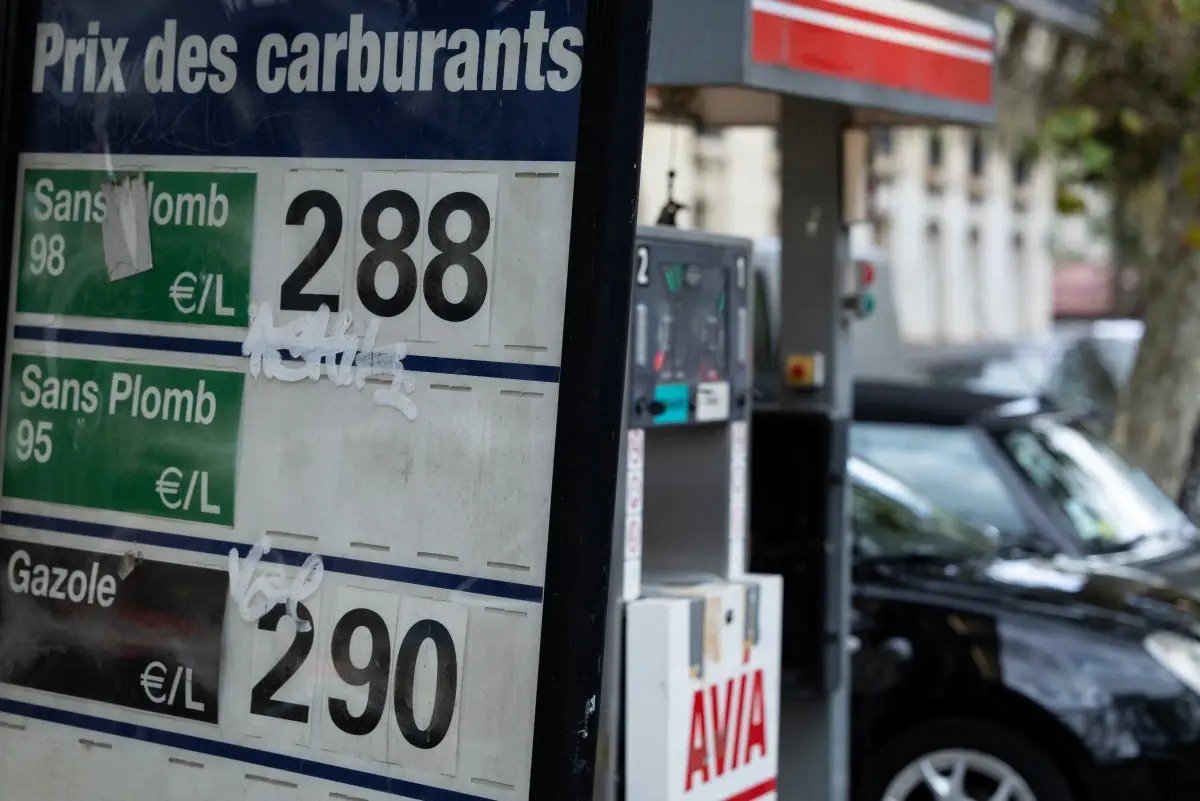
The new support is linked to the recent rise in gasoline and diesel prices. Fuel costs have become an important economic issue because many workers have limited alternatives to driving. People who travel long distances to work, visit different work sites or depend on cars for their jobs can face a direct increase in daily expenses when fuel becomes more expensive.
The government has described the payment as support for drivers who use their cars for work. The measure is part of a wider response to the pressure caused by energy prices. It also comes at a time when France is examining other ways to protect households and businesses from higher fuel costs.
The issue has become more important as international energy markets remain uncertain. Changes in oil prices can quickly affect the cost of petrol and diesel. Those changes then reach consumers through higher transport costs and can also affect the price of goods because businesses often depend on road transport.
For French workers, the effect can be especially noticeable outside major city centers. People living in areas with limited public transport may have little choice but to drive. A higher fuel bill can therefore become a regular part of the household budget rather than a temporary expense.
The new payment is also connected to wider political pressure over the cost of living. French governments have faced public concern over energy and transport costs for several years. Fuel prices have previously played a major role in national protests, making the issue particularly sensitive for policymakers.
The latest measure comes alongside other discussions about energy supply and fuel production. French officials have been calling for changes at the European level to help manage energy pressure. The government has also discussed temporary adjustments that could increase domestic fuel production and improve supply during periods of high demand.
The payment does not remove the wider causes of higher fuel prices. Drivers will still be exposed to changes in international oil markets and domestic taxes. The measure is instead designed to reduce part of the immediate financial pressure for eligible workers.
The government will need to communicate clearly about eligibility and payment arrangements. Millions of potential recipients mean that the program will require a system capable of identifying workers who meet the conditions. Clear information will also be important for people who are unsure whether they qualify.
The fuel issue is being watched closely by businesses as well. Companies that rely on vans, cars and other road vehicles can face higher operating costs when fuel prices rise. Those costs can affect delivery charges, service prices and business margins.
France’s latest support plan therefore reflects a wider economic challenge. Fuel prices affect more than drivers because transport is connected to almost every part of the economy. A rise in petrol or diesel costs can move through supply chains and eventually affect consumers.
For now, the new payment provides targeted help to millions of working drivers. The government is also watching energy markets and European policy as it tries to limit the wider effects of fuel price pressure.
