


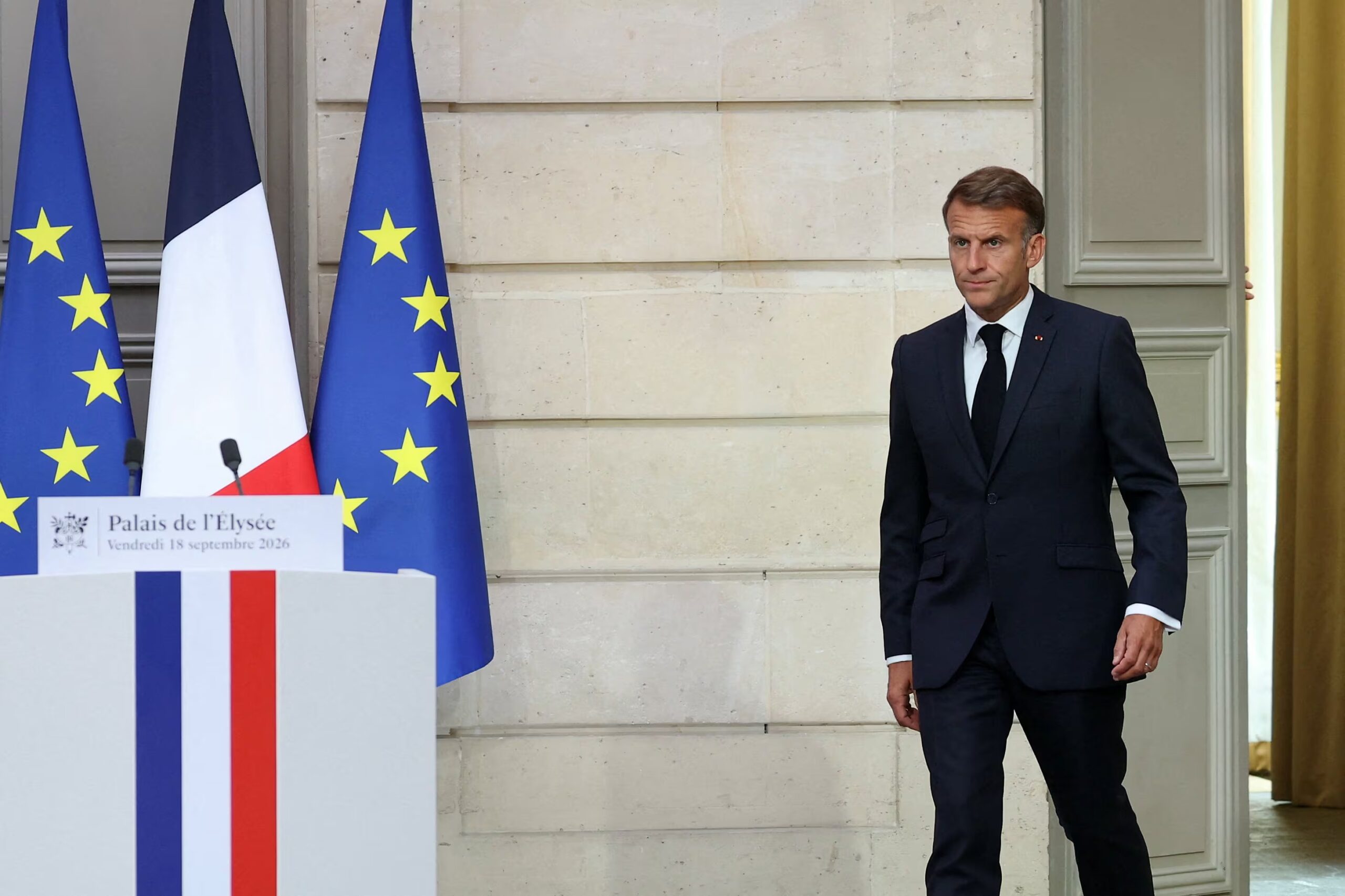
France is pushing the European Union to delay new methane reporting requirements for another year as European countries face pressure over energy supplies and fuel costs. President Emmanuel Macron has asked the European Commission to postpone enforcement of the rules until January 2028. The regulations are currently scheduled to begin in 2027 and would require oil and gas importers to monitor and verify methane emissions linked to their supplies.
Methane is a powerful greenhouse gas, and governments have been working to reduce emissions from the oil and gas industry. The EU rules are designed to encourage producers and importers to identify leaks and reduce emissions throughout the supply chain. France now says the timing of the rules could create difficulties for European energy security, with Macron arguing that tighter requirements could increase legal and supply risks at a time when the continent is already dealing with changes in global fuel markets.
The French request comes as European governments try to reduce their dependence on unstable energy supplies. The war and wider conflicts affecting major energy-producing regions have made fuel security a major economic issue. France has also proposed temporarily relaxing some EU fuel-quality requirements, with the goal of allowing European refineries to increase production of kerosene and diesel.
According to the French proposal, changes to rules covering desulphurisation and biofuel blending could allow fuel production to rise by as much as 20 percent. The government argues that such flexibility could help Europe manage tighter supplies. The debate reflects a difficult balance between climate policy and energy security, as European countries have committed to reducing greenhouse gas emissions while also needing reliable fuel supplies for transport, industry and heating.
Methane has received particular attention because it traps much more heat in the atmosphere than carbon dioxide over shorter periods. Reducing methane leaks is therefore considered an important part of climate policy. Supporters of the EU rules say strong monitoring requirements are needed because emissions can occur at many stages of oil and gas production, and without accurate data it is difficult to measure the real environmental impact of imported fuels.
France is not the only European country seeking more time. More than a dozen EU countries have also called for the methane rules to be delayed. The European Commission has so far resisted a full postponement, although it has agreed to suspend financial penalties for three years. It has not, however, agreed to move the start date of the rules.
The disagreement now puts pressure on Brussels to balance the demands of member states with the EU’s wider climate goals. France is also dealing with domestic pressure over living costs, as higher fuel prices can affect households directly and increase transportation costs for businesses. Diesel and kerosene are particularly important because they are used in road transport and aviation, meaning changes in fuel costs can eventually influence the prices of goods and services.
The French government therefore sees energy policy as both an environmental and economic issue. The proposal will require further discussion with the European Commission and other member states, and France will need support from enough governments if it wants the rules to be changed.
The debate also highlights a wider question facing Europe. Governments need to reduce emissions while keeping energy affordable and reliable. Macron has compared the requested flexibility with emergency measures used during the COVID-19 crisis, while his government says temporary changes could give European industry more room to adjust.
Environmental groups may continue to argue that delaying methane controls would weaken Europe’s climate efforts. Energy-intensive industries, meanwhile, are likely to focus on the cost and availability of fuel. The EU will now have to decide whether it can provide additional flexibility without weakening the long-term purpose of the methane rules.
For France, the September 23 debate is part of a wider effort to protect energy supplies while maintaining European cooperation on climate policy. The final decision will affect oil and gas importers, energy companies and European consumers. It could also shape how quickly the EU implements one of its major new climate-related reporting systems.
