


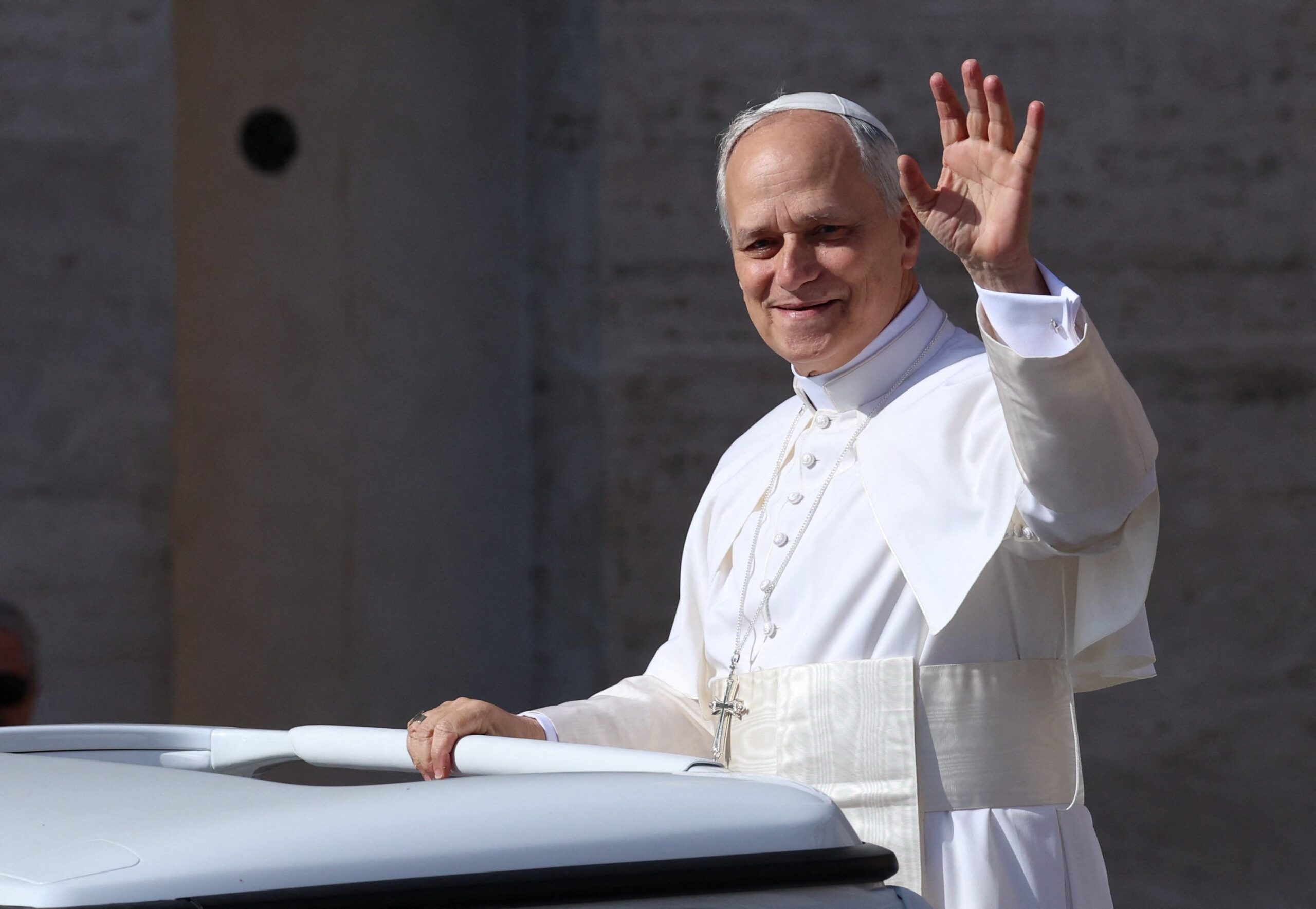
Pope Leo XIV is heading to France for the first papal visit to the country in almost two decades. His four-day journey will take him to Paris, Lourdes and Metz as the Catholic Church continues to face questions over its handling of child sexual abuse.
The visit is one of the most important European trips of Leo’s papacy so far. It comes at a sensitive time for the French Church, which has spent years dealing with the findings of a major investigation into abuse by clergy and other religious figures.
The pope’s trip will begin in Paris, where large crowds are expected to gather for an outdoor Mass. Organizers expect hundreds of thousands of people to attend. The event is also expected to bring together Catholic communities from across France and other parts of Europe.
Leo will also visit Notre-Dame Cathedral. The restored landmark has become an important symbol for Paris since the devastating fire that damaged the building in 2019. The cathedral reopened to the public in 2024 after years of restoration work.
The visit to Lourdes will have a different focus. Lourdes is one of the world’s most important Catholic pilgrimage sites and attracts millions of visitors. Leo is expected to meet survivors of abuse there as part of his effort to address the Church’s difficult history.
France’s abuse crisis remains a major issue for the Catholic Church. A 2021 independent investigation estimated that around 330,000 children had suffered sexual abuse connected to the French Catholic Church over a period of several decades, including abuse by clergy and other people working in church institutions.
The findings created widespread pressure for changes in the way abuse allegations are handled. Survivors and advocacy groups have continued to call for accountability, recognition and support.
Leo’s visit therefore has both a religious and institutional dimension. He is expected to speak about the need to protect children and restore trust while also encouraging Catholics to remain engaged with the Church.
The pope will also address wider issues during his trip. European security, peace and social responsibility are expected to feature in his public messages.
Artificial intelligence is another subject that Leo has highlighted during his papacy. The rapid development of AI has raised questions about employment, privacy, human dignity and the use of technology.
France has become an important center for discussion about AI regulation and innovation. Paris has hosted major technology events and European policy discussions, making the subject particularly relevant during the pope’s visit.
Leo will later travel to Metz, where he is expected to speak about peace and European unity. The location is significant because northeastern France has a long history connected to conflict and relations between France and Germany.
The pope’s trip also comes as France prepares for major political and social debates. President Emmanuel Macron has maintained regular contact with Catholic leaders, although relations between the French government and the Vatican have sometimes been difficult.
The Church in France has been facing declining attendance and a shortage of priests in addition to the abuse crisis. Younger generations are generally less connected to traditional religious institutions, creating another long-term challenge.
Leo’s visit gives the Church an opportunity to reach people beyond regular worshippers. Large public events can attract Catholics who rarely attend Mass and can also introduce the pope’s message to a wider audience.
For survivors of abuse, however, the most important part of the visit may be the pope’s meetings with people who suffered harm. Their response will be closely watched because the Church’s promises on reform have often been judged by the practical support provided to victims.
The visit is expected to combine religious ceremonies with meetings, speeches and public events. It will also give Leo a chance to present his approach to European society.
The September 23 start of the trip marks a major moment for the French Catholic Church. The pope arrives at a time when the institution is trying to rebuild trust while responding to falling participation and a painful history of abuse.
His four-day journey will therefore be about more than ceremony. It will test how the Church communicates with French Catholics, survivors and a wider European public.
