


France’s school protests are continuing to draw attention across Paris and other parts of the country as students demand better conditions in schools. The demonstrations, which began in the Paris region before spreading nationally, have involved teenagers blocking school entrances and taking part in street demonstrations. The movement has focused on overcrowded classrooms, shortages of teachers, poor school buildings and long school days. The latest reporting from October 2 described the protests as continuing to grow, with further demonstrations expected as students and education workers maintain pressure on the government.
Students have raised concerns about conditions inside their classrooms. Some have said that schools have too many pupils in individual classes and not enough teachers to provide regular lessons. Others have pointed to ageing buildings and uncomfortable conditions during periods of extreme heat. These complaints have been repeated across different parts of France, helping the movement grow beyond individual schools and become a national education issue.
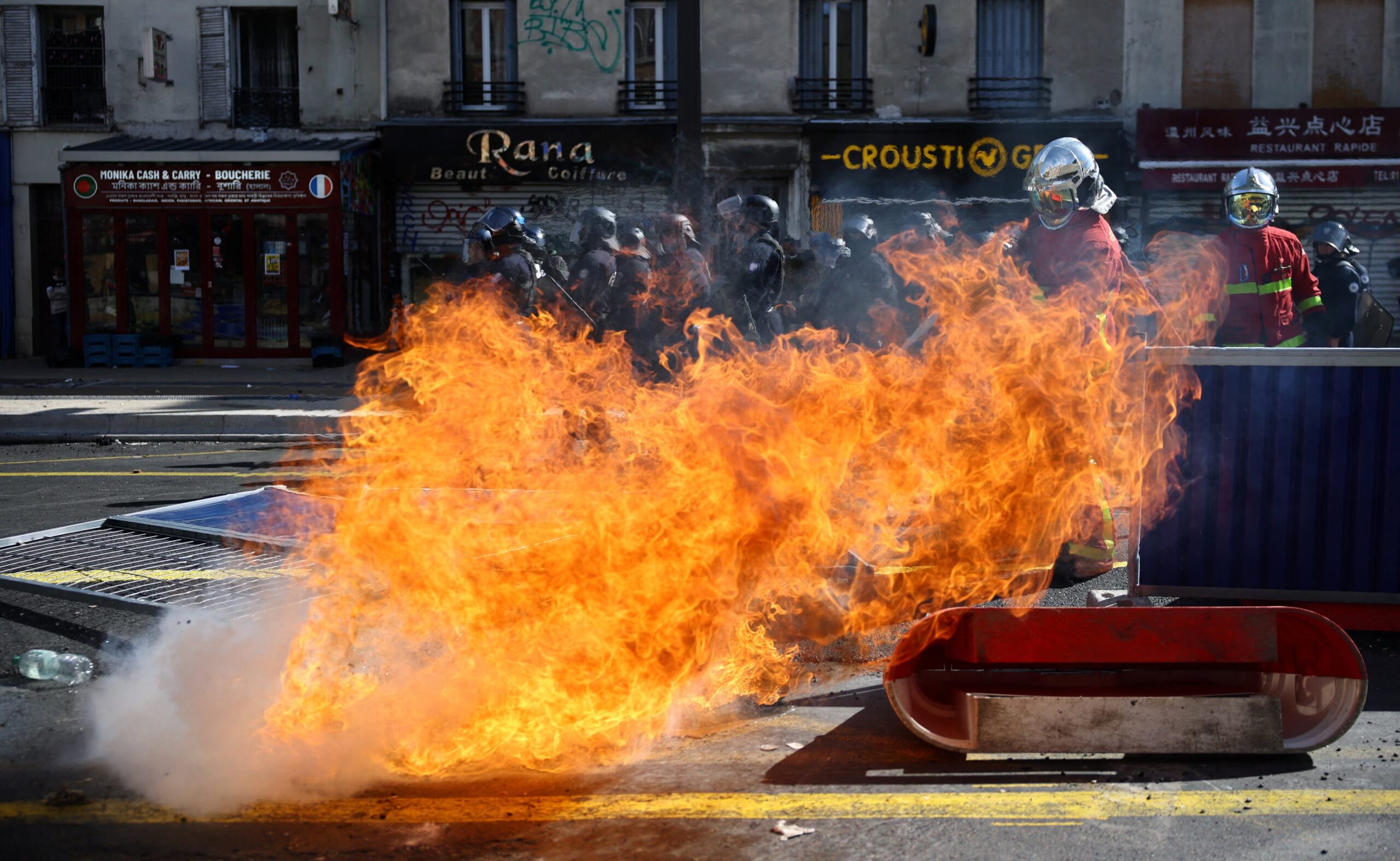
The demonstrations have also caused significant disruption. School entrances have been blocked, classes have been cancelled and some buildings have suffered damage. Police have been deployed in areas where demonstrations have become confrontational. Authorities have reported arrests and injuries, while student groups have continued to say that their main objective is to draw attention to problems within the education system.
The French government has acknowledged that some of the complaints raised by students are legitimate. At the same time, officials have strongly criticised violence, vandalism and attacks against police or school staff. This has created a difficult situation for authorities because they must respond to concerns about education while also protecting schools and public areas from damage.
The protests have also affected teachers and parents. Some teachers have expressed support for students’ concerns because they face staffing shortages and difficult working conditions themselves. Teachers can be forced to cover for absent colleagues, manage large classes and work in buildings that require repairs. Parents, meanwhile, have to deal with cancelled lessons and uncertainty about whether schools will remain open during demonstrations.
The education dispute is taking place alongside wider financial pressure in France. The government is preparing its budget while attempting to reduce public spending. Education is one of the largest areas of government spending, so changes to the education budget can have a direct effect on staffing, infrastructure and student services. The government has proposed billions of euros for education, but students and unions argue that the money must be sufficient to address the problems they see every day.
The timing of the protests is also important because France is entering a politically sensitive period before the next presidential election. Several political groups have commented on the demonstrations, although student demands themselves have focused mainly on education. The government has warned against attempts to turn school protests into wider political unrest.
Security has become another major issue. Police have used crowd-control measures during some demonstrations, while rights groups have raised questions about how officers deal with teenage protesters. Authorities have said that investigations will take place where allegations of excessive force have been made. At the same time, officials say that police must respond when demonstrators throw objects, start fires or attack emergency workers.
The protests are expected to continue into next week. Teachers’ unions have also announced further industrial action, adding pressure to an already difficult situation. The combination of student demonstrations and possible teacher strikes could cause further disruption to schools across France.
For students, the central message remains that education should provide safe classrooms, enough teachers and proper facilities. For the government, the challenge is to respond to those concerns while maintaining order and controlling public spending. As October 3 begins, the protests remain one of the most visible domestic issues in France, with schools, students, teachers and police all preparing for further developments.
