


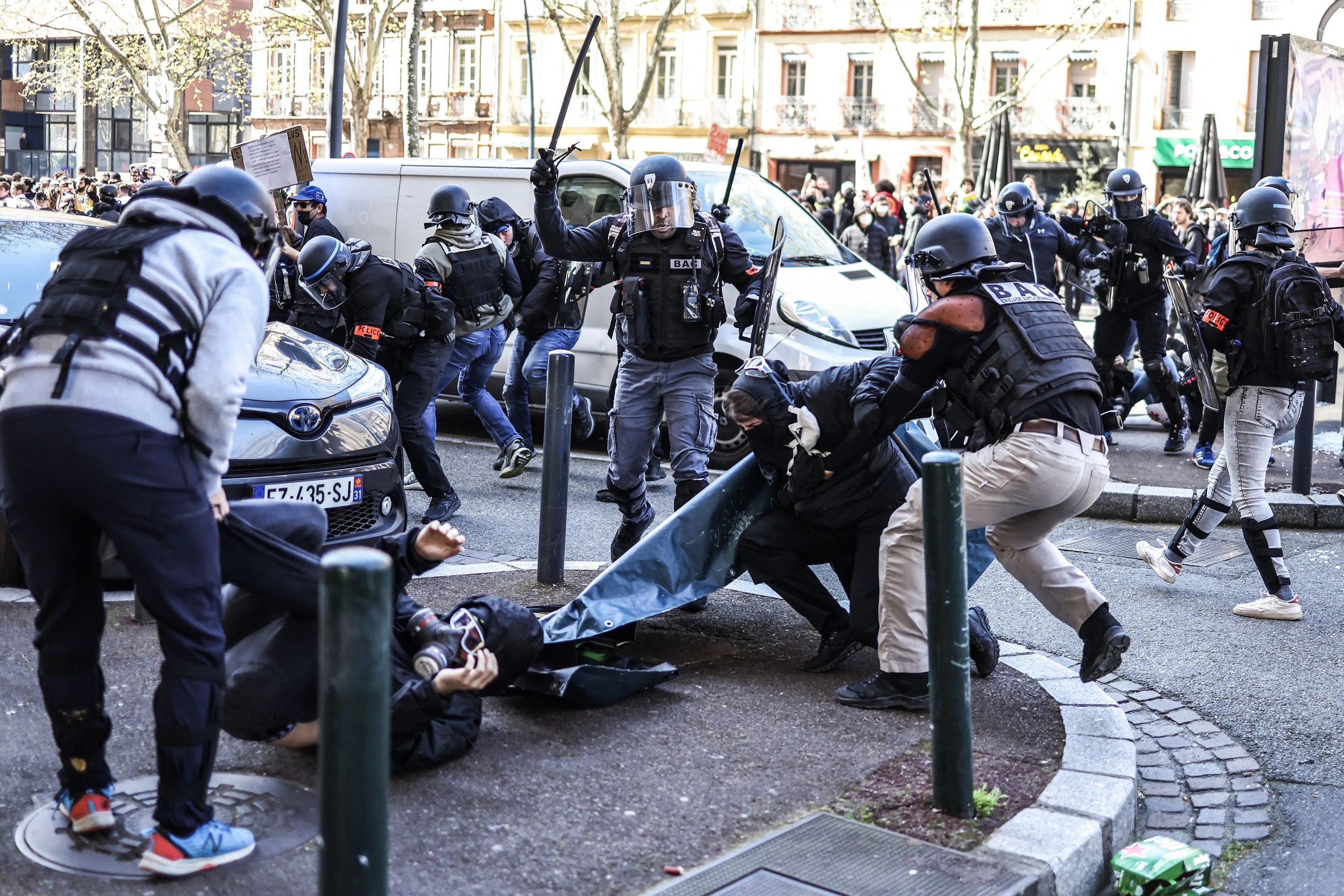
Paris began assessing the damage caused by violent clashes and looting after a large demonstration against rising living costs. The protest on October 17 drew many thousands of people to the capital, but parts of the march were overshadowed by disorder. Police reported hundreds of arrests, while shops and public property suffered damage.
The demonstrations were part of a wider movement that spread across France. Organisers said the protests were intended to bring together students, workers and people frustrated by the cost of living. Concerns about poor school conditions and teacher shortages helped spark the movement, while demands for better wages and public services drew support from trade unions.
In Paris, the crowds gathered in central areas, including around Place de la République. Most people came to demonstrate, but some groups threw objects at police, started fires and broke into shops. Officers used tear gas and water cannons to disperse some gatherings. Authorities said the violence was caused by groups that moved through the city and targeted businesses and public buildings.
The damage has created practical problems for residents and shop owners. Businesses may need time to repair windows, replace goods and reopen their doors. Public services also face the cost of cleaning streets and restoring damaged facilities. Local leaders have called for urgent discussions with the national government about security and the resources needed to prevent further destruction.
The government has condemned the violence while maintaining that peaceful protest remains a protected right. That distinction is important because many demonstrators did not take part in the clashes. The challenge for authorities is to identify those responsible for crimes without treating every participant as part of the violence.
The events have reopened debate about policing, public order and the reasons people feel driven to protest. Rising prices and concerns about education were central to the original mobilisation, but the damage has shifted public attention toward safety and accountability. Paris now faces the immediate work of recovery, while national leaders must decide how to address the deeper concerns behind the demonstrations.
